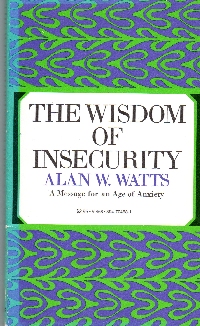
 The title of this book certainly fits into the philsophy kinds of books that I might like to pick up. Its size (short and paperback) meant it would make a good carry book for me. It did. As I was reading it at the dojo, a very well-read teenager there recognized Watts’ name. After I finished it, I saw a Facebook image with a Watts quote on it. So his influence continues, some thirty-five years after his death.
At any rate, this book was originally published in 1951, so it’s steeped in the Existentialist zeitgeist, but it’s not really an Existentialist book. Watt was at one time a clergyman, but he switched over to Buddhism as a relatively early American adopter (and he knew Shunryu Suzuki). So this is a bit of a spoiler alert. I detected some of the Buddhist themes in the work along with some response and comment on other philosophers’ work, but not so much by name.
It’s a popular bit of philsophical musings. That is, it grapples with some of the main themes in life instead of being a comment on a particular school of thought. The gist of it is that life is changing and fluid at all times, and the more you try to crystallize it into something specific, you lose it. That is, defining a word takes something away from the thing being defined. Also, the early traces of the Mindfulness movement are here, he posits that only the present is real and the past and future are not. So we get into the real nub of Buddhist theory of consciousness, which ultimately doesn’t seem to work: The “consciousness” in the “present” is not the same thing as it was in the past nor is it the same thing that will experience the “present” different from this one. If you accept a certain evolution of the person, the being, the soul, you can sort of think this is right, but the Buddhist thought says, no, literally, the consciousness who came to my blog is not the same one that right now is finishing the third paragraph of this book report.
So there are lessons one can take away from the book, which are basically the things you find in Mindfulness listicles all over the Web. Try to improve your mindset and adaptability to changing circumstances; let go of the past; don’t worry about the future; enjoy the present as it is. But unlike a listicle (and contemporary Mindfulness books written by the listicle authors), the book has depth in exploring some ontology and epistemology.
So a good read, and apparently still relevant if contemporary high school kids, albeit precocious ones, talk about the author.
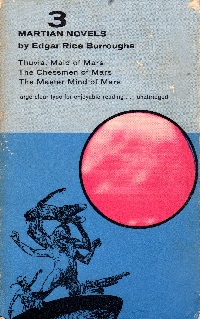 Technically, the copy of this book that I read is the third book in a three-novel omnibus edition called 3 Martian Novels; however, the other two are Thuvia, Maid of Mars and The Chessmen of Mars, both of which I read earlier this year when I read the omnibus
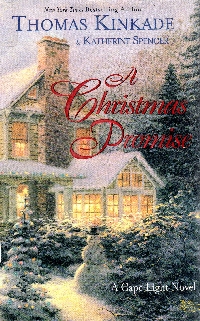 This book represents my annual Christmas book, and it’s the one I bought most recently (
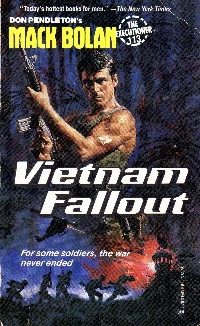 It’s been almost six months since I’ve read a Bolan book (
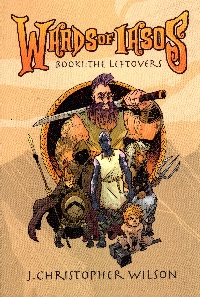 I mentioned
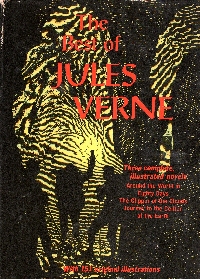 I picked up this book because I know the chicks dig Jules Verne.
 Let’s get it right out of the way: In my book report for
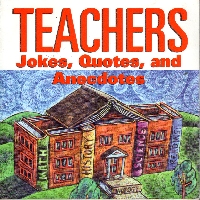 The people behind this book built it to be a teacher-friendly gift for students to give their secret Santas and whatnot in the educational system. It collects quotes about education from a variety of classical sources, includes a jokes relating to schooling that cast teachers in a flattering light, and shares anecdotes from actual teachers about amusing incidents they encountered.
 I’ve read a number of these Crescent Books picture books with the text by Bill Harris before (
 To be entirely honest, I didn’t actually read this book.
 I bought this book
 This book fits right into the reading I’ve been doing in Eastern philosophies, classical philosophy, and the Christian traditions. It is a part of a longer work (The Great Philosophers Volume I) by Existentialist philosopher Karl Jaspers, whom I tend to confuse with either Karl Poppers or Karl Barth. Theoretically, I’ll get to keeping them straight as I read them individually instead of as names in summary textbooks.
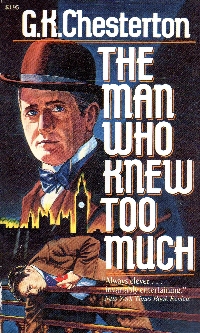 I picked up this book because I’ve heard of Chesterton, of course, and because I’m a big fan of the Bill Murray film The Man Who Knew Too Little. So this book is a two-fer: An intro to Chesterton and the knowledge of the source of the trope. It had been facing out of my hallway to-read bookshelves for a while, and I picked it up, hoping to get through a collection of short stories quickly. Oh, but no.
 I bought this book on
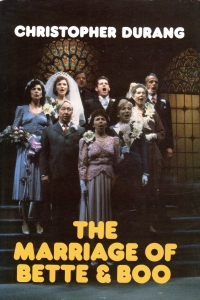 You could probably have guessed after I bought a couple books
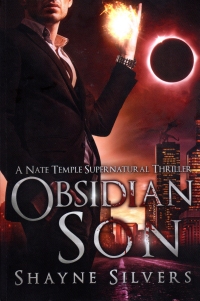 As you might remember, I bought this book
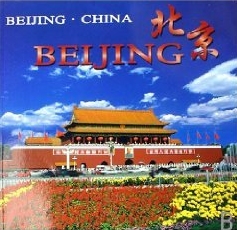 I got this book at a later time than the Korea guide books (
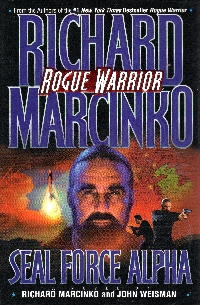
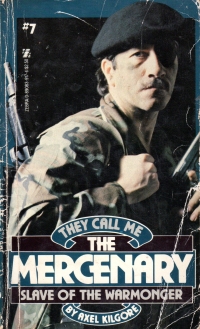 I started this book, and I thought, “This is better than some of the Executioner books, surely.” The writing is a little thicker, a little richer than you get in the least of the Mack Bolan books. However, there was some foreshadowing that all was not right.
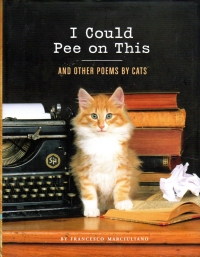 I, or someone else, must have given this book of poems purrportedly by cats to my beautiful wife. When she was culling her office books, she was looking to get rid of it (so I hope it was a gift from someone else, because I’d like to think she treasures things I give her beyond their actual worth). So I picked it up as something I could easily browse during football games.
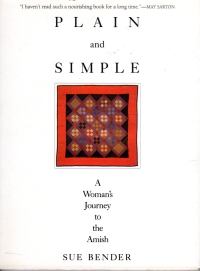 You’re taking a look at my recent reading and note that I bought all of these books within the last two weeks, and you think, “Hey, Brian J., wouldn’t it be better to have only bought these three or four books, read them, and then buy a couple more instead of buying dozens at a crack, dozens of times a year ensuring you have a backlog of thousands of books that you don’t have lifetime enough left to read them all?” I supposed that would be one way to do it, gentle reader. But allow me to answer with a question of my own: Why do you have so little faith in medical science?