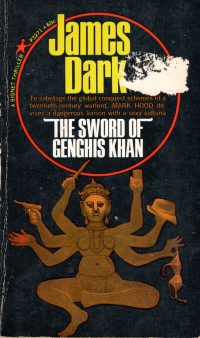
 If you only read one Australian spy thriller featuring a Mongolian mad scientist’s plot to take over the world with a metal-melting satellite, this should be it! Of course, I’m not sure where you would be if you wanted to read two such books, as this probably is the only one. But it’s a series book, so you could easily find other things like it to read.
Well, I’ve pretty much given it all away here: Mark Hood, an operative for a trans-national spy agency (which operates freely in the Soviet Union as well as the West because all parties agree to give this group, Intertrust, the ability to ferret out nuclear proliferation concerns). In this book, a strange phenomenon–weapon?–destroys a Japanese fishing fleet and damages a U.S. destroyer, drawing the attention of Intertrust and its dashing hero. Additionally, scientists are disappearing–being kidnapped?–, and hero travels to the Soviet Union to protect a similar scientist only to find the scientist has been snatched away just before Hood and his associate arrive. The agency provides them cover to travel to China, and they discover the kidnapped scientist aboard a train with a beautiful young Asian woman who’s delivering the scientist to Mongolia and her father, a distant descendant of Genghis Khan, who has discovered the treasure of Khan and used it to finance a solar-lensing satellite that can target anywhere on the planet with a heat ray.
Yeah, it’s complicated.
The book is written in a British style. The prose is polished and the story moves along, but it’s a little dry and at a distance. So it’s not that thrilling. The plot, though–outlandish. Somehow the combination of the outlandish plot with the sedate language doesn’t work for me. But it is definitely the best Australian spy thriller I’ll read this year.
(For a review on the first book in the series, Come Die with Me
 After reading a book about
  What a mean-spirited, insipid little book this is.
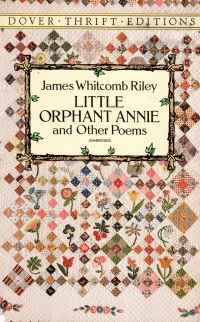 It took me a couple tries to get through this book. A couple years ago, I stuck it in my gym bag as my carry book, and I read it at the martial arts school before class. I even read the first poem, “Little Orphant Annie”, to my children, and they were interested in the Gobble-uns at gits you eff you don’t watch out.
 , “Homecoming ’93: A Collage”, runs five pages, but it’s narrative). The long ones that really choke me are the ones written by the Romantic poets, where it’s ten pages of landscape. Brothers and sisters, I prefer paintings that have people in them, and I sure tooting need something more than a litany of flowers if a poem is going to be more than twelve lines. The excerpt of “A Child’s Home–Long Ago” starts out landscapy, with a description of the home, and I must have abandoned it before it got to describing the children and the other people they interacted with long ago. It got better, and I made it through the poem and the book.
 I read an earlier fantasy novel (
 This book is a small collection of quips, anecdotes, and aphorisms collected by a pastor, presumably for sprinking in sermons and whatnot. As such, it’s chock full of faith-based meditations, brief meditations, on grace, hope, love, and morality, but it also has some secular bits, too. It’s not
  The subtitle of this book is The Invisible Keyboard of Piano and T’ai Chi, and it’s a mindful meditation on, well, being mindful. The author is an expert pianist and long time t’ai chi practitioner who explains the subtleties in each that one gains through experience and through focusing very hard on every aspect of each action involved in either. Or in everything we do. Then we can improve upon the subtleties to get closer to impossible perfection in music or kata.
 I bought this book
  I decided to break up the serious reading with my first Mack Bolan book of the year. It’s been almost six months since
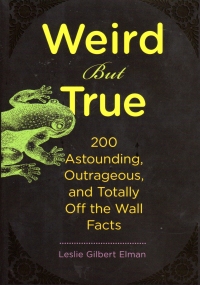
  I read this Internet listicle of a book while sitting in various bleachers while my child or children practiced basketball. This has proven to be my most focused reading time of late, which is why I’ve not yet read twenty books this year, and given the locale, it’s not suited for particularly heavy reading. So Internet listicles in print fills that “I want to be reading something, but now I’m distracted” void.
 In my book report on
  sell in real life probably proves the point.
 before I started this blog, so it was some time ago indeed). Between those two factors, I put this volume down and went onto other things. But with the reading of Job, I thought it might be part of a brief theme. Not outlier sex practices, though: more “Actual theological entities in fiction.”
 This is a later Heinlein novel. Published in 1984, it has a heft to it that the earlier rocket jockey stuff had, but it’s a bit boggy and ends less than well from my perspective.
 More interesting than the book itself is the way I ended up with it. I took my children to Barnes and Noble last week, as I was looking for a guided journal full of writing prompts to get me writing longer things again, and as a treat, I told them they could each spend $7. Which is enough for a magazine, but probably not enough for a great big Lego book with collectible mini figure or picture encyclopedia a la
 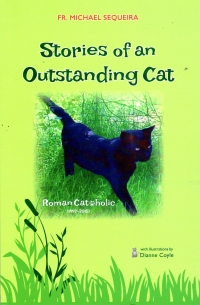 I grabbed this from the free cart at church
 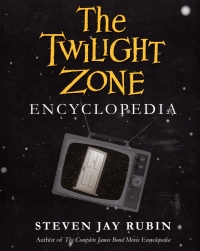 I bought this book when I saw a conservative blog I read (I forget which, but I hope it’s not the hoity-toity Ace of Spades HQ Sunday Morning Book Thread since OregonMuse posts my books) mention it and say that it was anti-Trump or something. To be honest, it’s not particularly anti-Trump: It does not mention him by name, which is refreshing in a book you’ve been told is a sucker punch hit job. It does say that The Twilight Zone told uncomfortable truths/stories (which is kind of like the Resistance, amiwrong?), but you see that sort of thing in a lot of books touting shows, both current and historical. A couple of entries have phrases of dubious provenance but that are clearly meant to refer to These Dark Times, such as mentioning jackboots returning in the 21st century and whatnot. But overall, not something that Michael Moore or–what’s that guy that was a “comedian” and then “Senator” from the state that elected that wrestler who wore feathers as governor?–would have written.
 . So I might think about that, too.
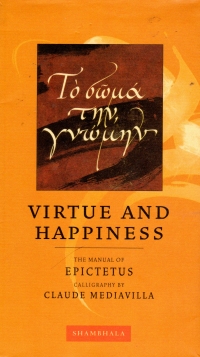 As you might recall, gentle reader, I bought this book at ABC Books last month because
  Wow, Brian J., you might ask. Didn’t you used to read books? I know I ask myself that question frequently. But my reading time was curtailed the first quarter of this year. First, I didn’t have a lot of time to read a small “carry” book that I took out with me to various locations where I’d have a half hour or hour to kill. I’ve not been going to martial arts classes enough this year so far, and when I do, it’s been on days where I’ve not had to get there for my children’s classes, where I would wait for mine to begin thirty or forty five minutes later. And instead of sitting on a bench in church on Sunday mornings during the Sunday School hour, I’ve been schlepping my laptop to a local coffee shop to try to bang out the beginnings of a novel. Also, as you might recall, I’ve been working my way through some
 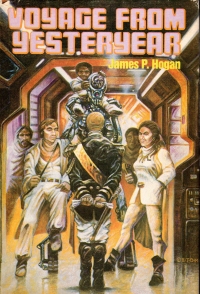 As you might recall, gentle reader, I am a pretty big fan of James P. Hogan (see also the reviews for
  Like the book on