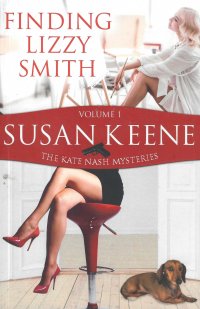
 This is the first book I’ve completed in the 2023 Winter Reading Challenge. I have applied it to the Female Detective category. The main character is a detective, a former police officer, and the action is more urban action than I think the Cozy category would allow. The two are kind of redundant, although from what I have read in the genre definition somewhere on the Internet, Agatha Christie’s Hercule Poirot series would be cozies. But we will see–Cozy might be the last category I read if I make it through all fifteen.
In the book, a former police officer turned private detective after her husband was murdered is scheduled to meet a college friend in Forest Park, but when she waits for the friend who does not show, a laser dot appears on her. Another friend saves her from gunshots, and so she has to wonder where her no-show friend, the Lizzy Smith of the title, is. She starts to investigate, and others in their close circle of college friends start to die–and her husband might have been the first. Eventually, she discovers that it might be tied to a dance club fire that killed several people and left a potential Olympian without legs. And Lizzy might be part of it.
It’s an okay book, paced well enough and well-written. As the book takes place in St. Louis and was written by someone from Southwest Missouri, I was watching for little gotchas. In one instance, the protagonist and another woman go to a strip club on the corner of Euclid and Kingshighway. When I lived in Old Trees, I remembered Euclid nearby–and I guess it’s in the Central West End, too, but running parallel with Kingshighway. It actually does intersect with Kingshighway far north of the Central West End–in an area where two small white women (the main character is 5′ 1″) would probably not go. The book has some misspellings and misnomers that spellchecking would have missed–Kingshighway appears as two words, for example–that a closer proofreading by a native would have caught. On the other hand, she talks about a 40-caliber Glock, and I thought that was a mistake–but I heard it a second time, so I double-checked, and the Glock 23 is chambered for that round, so it’s not wrong, but I’m not sure how common they are outside of women-generated detective fiction. Also, the rifle with the laser site is identified as chambered in .243, but I’ve always seen that as .243 Winchester. But that’s just from rifle magazines, not real conversations.
At any rate, I bought a number of her books in November (that long ago already?), and I don’t dread reading the next one. I can’t say when I’ll get to the others, though, as I do have this Winter Reading Challenge to tackle yet.

 Two and a half years ago, I picked up this book
 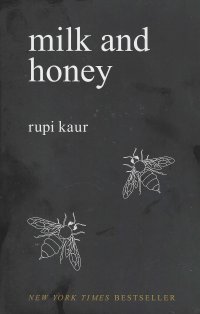 Ah, gentle reader, I had a hard time writing this particular book report. For this young woman is a New York Times best-selling author, and she has appeared on numerous television programs and many venues, reading her poetry to large live audiences. And, as you might know, I have self-published a collection of poetry (
 I thought this might be the last of the manga that I bought at the
 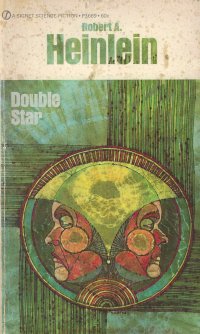 I bought this nice looking (well, better than the scan, and probably better than I started it) paperback from sixty-five years ago at the Friends of the Christian County Libary book sale
 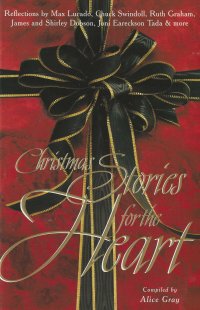 As you might know, gentle reader, I like to read a Christmas novel around Christmas. And although I pick them up here and there over the year at book sales and garage sales in anticipation of Christmas to come, once they’re in the disorganized to-read shelves of Nogglestead, they’re gone for years.
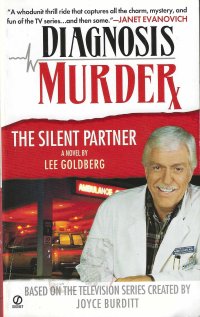 When I read Monk book by this author
 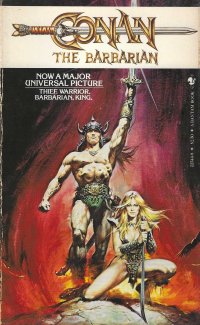 I bought these books and a couple of other Conan/Robert E. Howard paperbacks last summer
 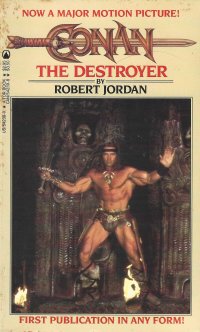 I described the plot of this film also in that movie post:
 I got this book at a
 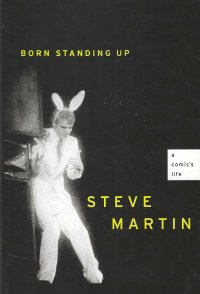 As I mentioned when I spoke of the audiobook version of
 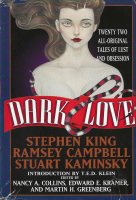 This was the second book suggested to me by the kittens who were sequestered in my office for a time, and they suggested books for me to read by knocking them off of my to-read bookshelves. But they might as well have knocked this book into their cat litter, for I did not like it very much, and I am no longer taking recommendations from the kittens.
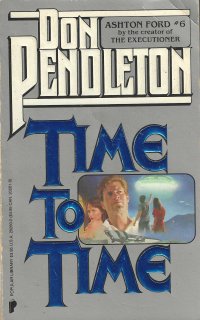 Well, make this my year of completing sets, or at least groups of books that I have. I mean, I finished all of the books in the Executioner series that I own; I finished the set of James Blish Star Trek books I had on my to-read shelves; I finished the Doubleday children’s books I’d picked up, perhaps for my children but never shared with them. Since I only had three books in the six-book Ashton Ford series, why not?
 As I mentioned, gentle reader, we have
  Well, I seasoned this book well enough. I bought it
  I got this book at ABC Books during a book signing
  This might have been only the second Saint book (or is it The Saint book?) that I’ve ever read. The first would have been a modern paperback (well, then modern) that I read in high school or thereabouts. It was one passed onto us by my Aunt Dee right about the time we moved into the house down the gravel road. We got a small stack of books from her–less than I would buy if I went hog wild at a church or friends of the library book sale–but my aunt introduced me to Ed McBain, Anne Rice (Interview with the Vampire, which is the only Anne Rice I’ve actually read), and, perhaps The Saint. So it’s been a while.
 Well, having just finished the Doubleday children’s books I own with
 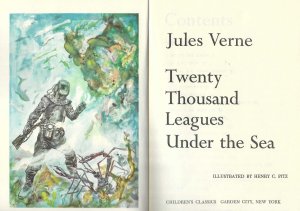 Wow, has it been five years already since I read
 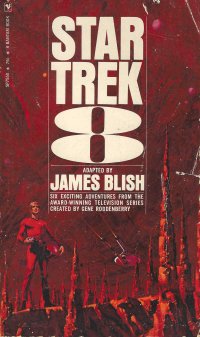 You know, I did not have this particular volume of the series before I picked this one up, unlike so many of the others for whom I wrote book reports in 2005. So I don’t have to add appendixes to the filenames for the image or the book report text file on my desktop. Which I did anyway out of habit.