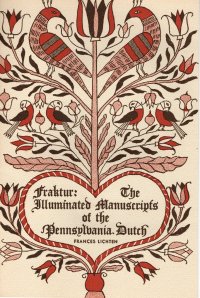
 I forgot to include Fraktur in my list of disparate vocabulary words I will soon forget, but fraktur is one of them. Because suddenly I found myself reading this book, which I undoubtedly got in a Friends of the Springfield-Greene County Library Book Sale bundle of chapbooks for $1.
The booklet contains the contents of a talk that the author gave when the Free Library of Pennsylvania got a large collection of fraktur documents. Fraktur refers not only to a font/typeface of German printing but also to the freehand documents produced by German immigrants in Pennsylvania in the late 18th through the late to middle 19th centuries.
Basically, if you wanted to have a birth certificate or a marriage certificate in those days, you’d hire a wandering illustrator to write one up for you are pre-printed forms from the county office were not available. The Pennsylvania “Dutch” (Deutsch) mostly spoke German, so they hired German-speakers to write them up, and the producers also decorated the documents with little illustrations. The Free Library of Pennsylvania in the middle of the last century (hey, old man!) got a private collection (and later another) of these historical documents.
And, you know what? It was an interesting little read.
The talk/booklet gives a bit of history, some description, and a couple of stories. She tells of finding an illustration of a crocodile on one such document and wondering how a German-American circa 1850 knew how to draw a crocodile, so she starts looking at educational spellers, in German, and finds the very illustration the artist reproduced. She also briefly outlines one such itinerant artist who spent years going community to community, sleeping in the rail depots, and earning just a bit writing and illustrating fraktur.
It’s 26 pages, so the length of a long essay or something that the New England slicks produced before they became mere propaganda mills.
And, gentle reader, you might wonder, Does Brian J. have any fraktur? Well, gentle reader, I might, although a photo reproduction. I have in a rolled tube somewhere a large photograph or slick reproduction of my great Aunt Laura’s birth certificate from the late 19th century (I assume), and from what I remember, it is in German, elaborate, and quite likely frakturic. It has been a while since I’ve gone into the archives–about a year and a quarter ago I had to come up with my marriage license, and although I did not find mine (I am married–I remember that pretty clearly even though I might have gotten a little wavery and woozy when she came down the aisle), I found many others in the family–and I would likely have put this document to the side un-unrolled as I knew what it was and I was not interested.
I am interested now. So I got more out of this book, and more interest on things outside this book, than I get from most books I read.
The author has a couple of other books available on Amazon and eBay from the first half of the last century, but this one does not look to be widely available. As it is collectible, perhaps I should put it in a special place on my read shelves. Undoubtedly, wherever I put it, it will be the place where I cannot find it again.
 Well, gentle reader, when I reported on
  I saw this book mentioned on a blog, and I cannot remember which one. It almost makes me want to create a blog or browser plugin called “Where’d I read that?” which searches the sites on your blog roll and in your browser history to find out where I should attribute credit. Or I could just guess Bayou Renaissance Man, conduct a quick site search over there, and discover
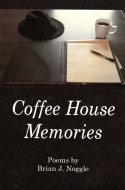
 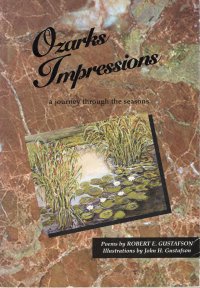 I am not sure when I got this book. It has a Redeemed Books sticker on the back that seems to indicate it was added to their inventory in 2010. So somewhere between then and now. It is a collection of poetry written by a retired economist from a consultancy or think tank and it’s illustrated by his brother, a retired artist. The volume I have is numbered 386 of 1500 and is inscribed to Linda. I found myself musing as much on the history of this book and the men who produced it as the actual contents.
 I picked up this book back in
 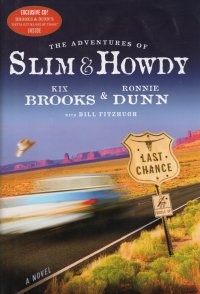 I have to say that this is the best novel based on country-and-western album liner notes that I have ever read.
  Well, gentle reader, I have done it.
 I got this book
 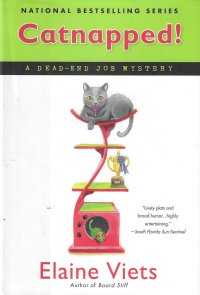 I mentioned when I read Viets’ collections of columns from the St. Louis Post-Dispatch (
 I got this book at ABC Books
  I got this book
  This book came out a couple of years after
  I picked up this book from the free books cart at church. I know, gentle reader, it’s not that I lack for something to read. But our church has a free books cart with cullings from the church library and other books that people drop off. Well, other people, not me, as I rarely separate books from the Nogglestead library, and when I do, they are generally not religous or church-friendly titles. Every Sunday, or almost every Sunday, I make my way past this cart and look it over. Most of the time, I don’t pick up anything as Nogglestead is topped up on Bibles and I don’t tend to read devotionals. But I picked up this book because it is the biography of the guy who serves as the main mascot for the Kansas City Chiefs and includes the story of an accident at Arrowhead Stadium that almost killed him.
 My goodness, it has been a year and a half since I read the first in the Harbison Mystery series (Terror Near Town, which I read in
  I bought this book at ABC Books
  Full disclosure: I sort of know the author as she has volunteered with my beautiful wife in a local entrepreneur’s group (well, she was there before my wife, so perhaps I should say “My beautiful wife volunteered with this author.”) So when I saw that she, the author, was having a book signing downtown (not yet at ABC Books) on First Friday Art Walk night, I dragged my wife and my youngest downtown to get a copy.
 Well, finishing this book has been a long time coming. I mentioned that it was a gift from a friend at a garage sale at my sainted mother’s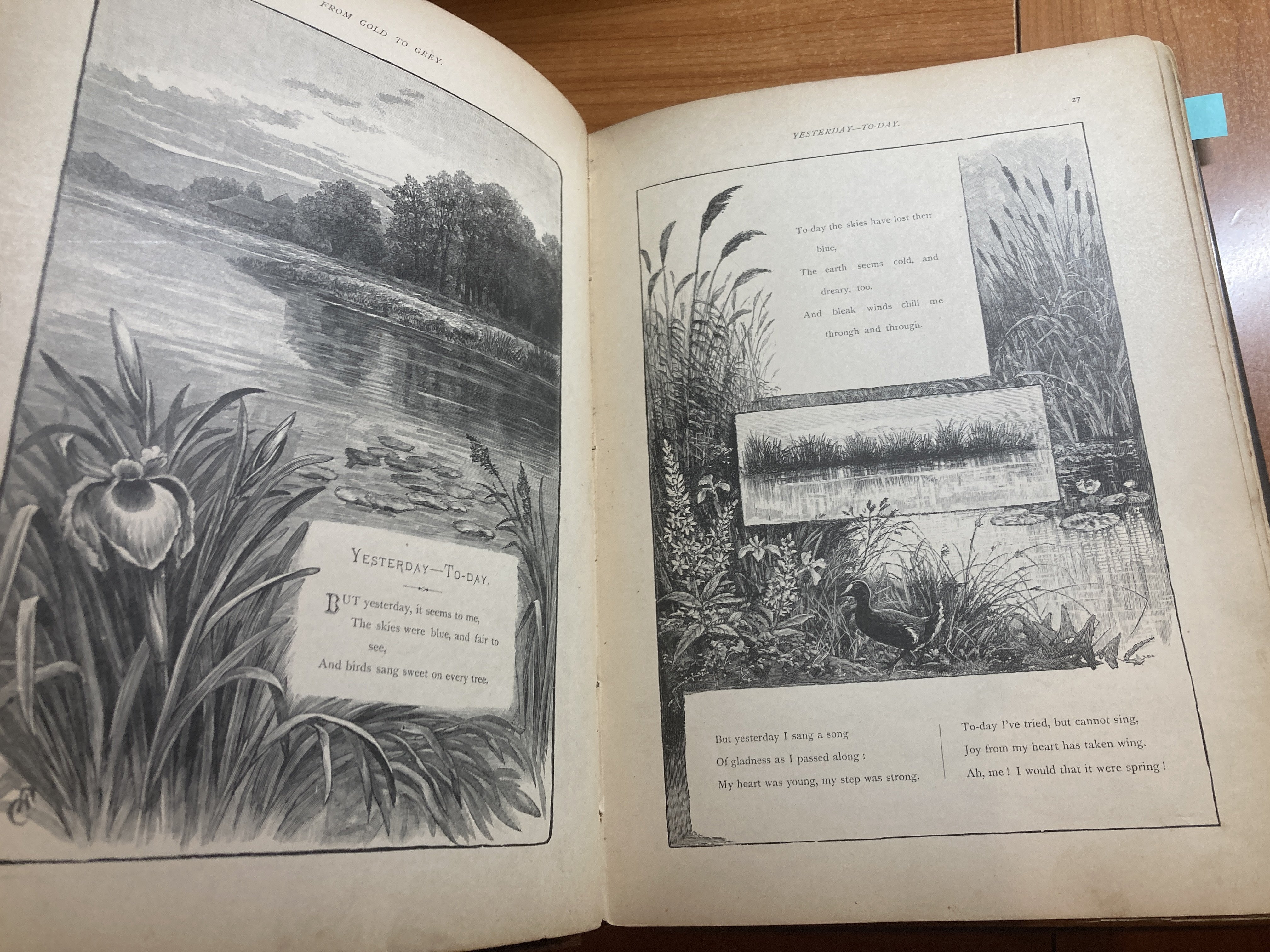
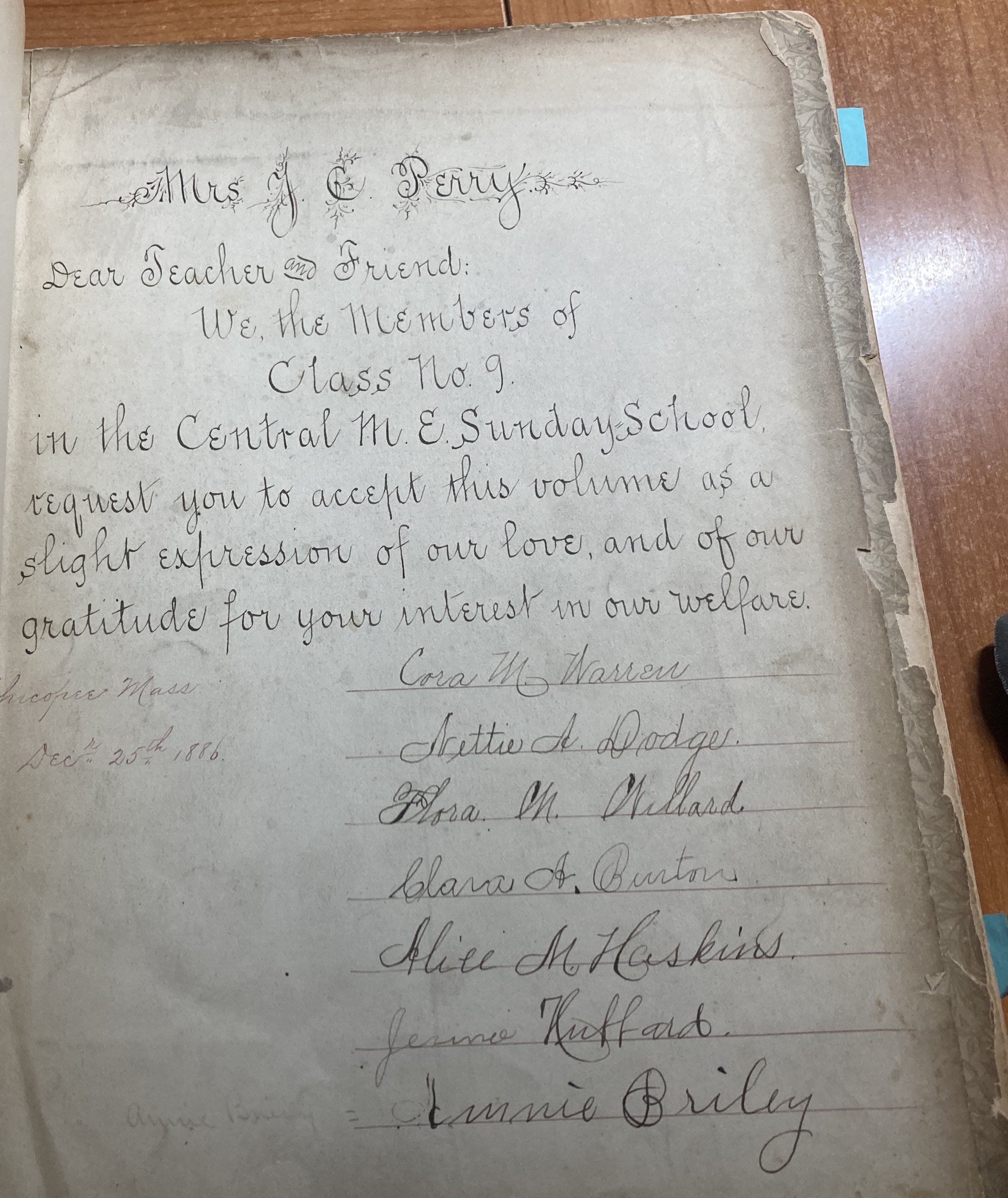
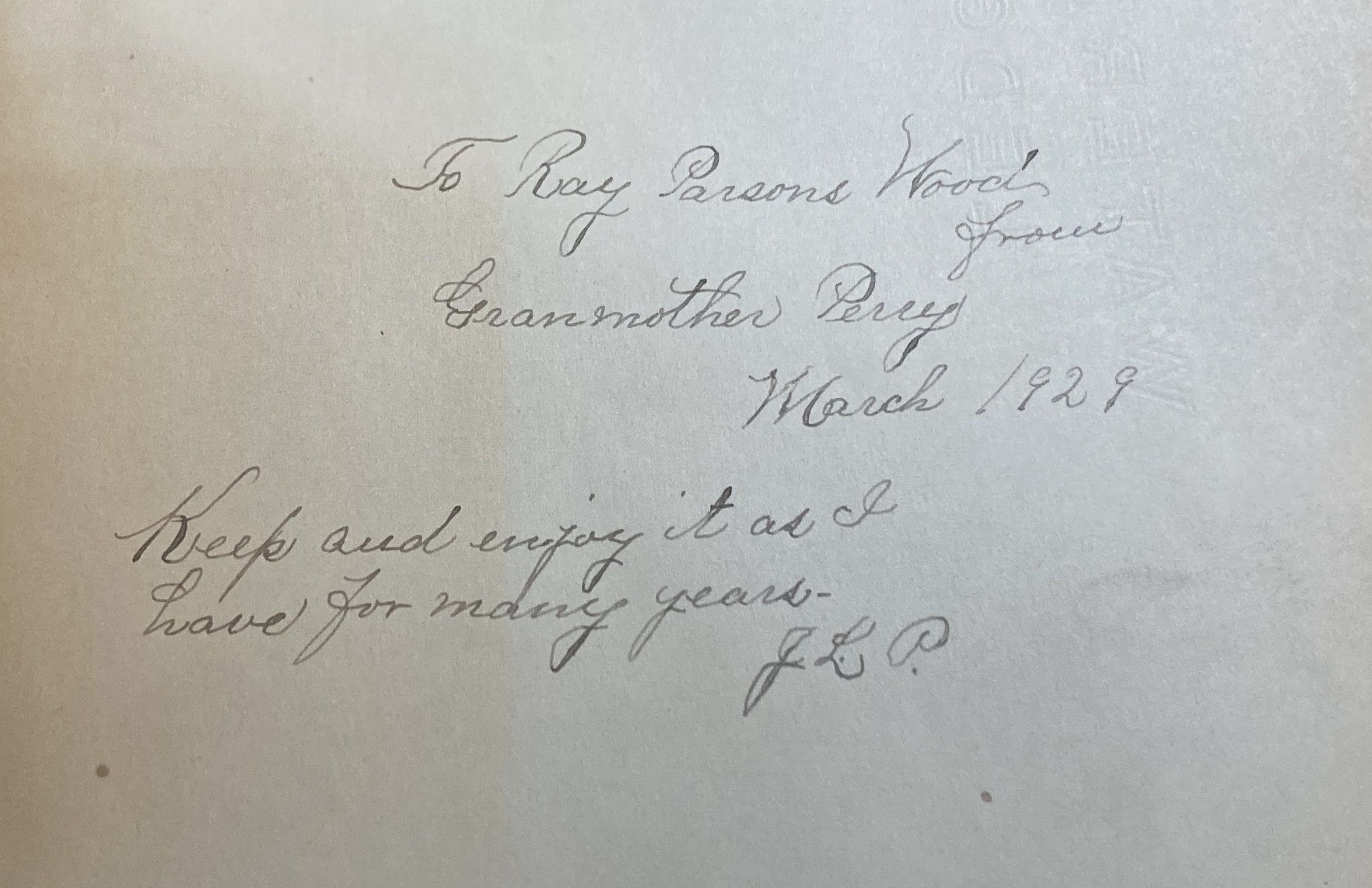
 I hopped into this book right after reading
 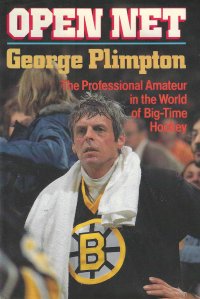 I bought this book at the J. in St. Louis
  I bought this book