It’s been a month and a half since ABC Books had a book signing, which is okay since I’ve only just now started one of the books I bought on my last sojourn up there, and I got plenty last weekend without a trip up north.
But this weekend, they had a book signing with Billy Pearson, a fellow who had only started writing at age 80 and has nine books in print.
I picked up four of them and a little extra.
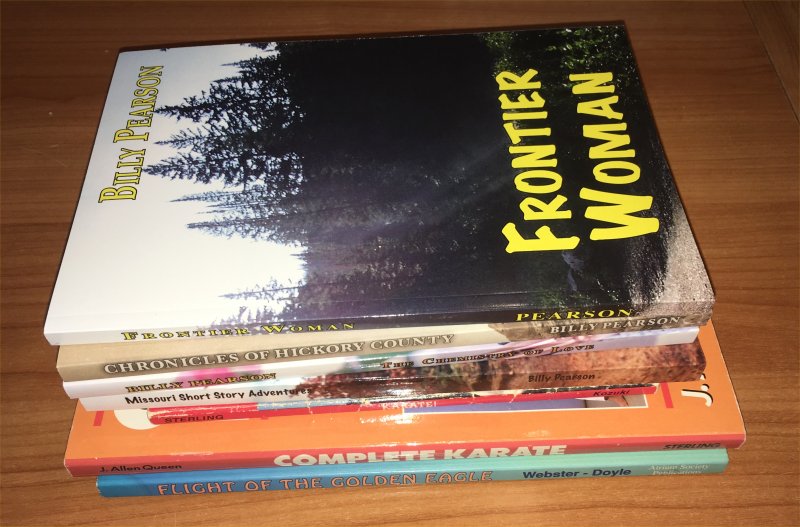
I got:
- Frontier Woman, the account of Billy Pearson’s aunt after she moved to Colorado with her husband in the 1880s.
- Chronicles of Hickory County, historical anecdotes from people that Pearson knew.
- The Chemistry of Love, a novel. I told the proprietrix that it would go well with The Physics of Love. And that I would be looking for the Biology of Love and The Geology of Love when they get them in stock.
- Missouri Short Story Adventures which might be fiction or anecdotes.
- Karate!, a 1970s paperback by Russell Kozuki.
- Complete Karate by J. Allen Queen, a more textbook-sized book of karate.
- Flight of the Golden Eagle: Tales of the Empty-Handed Masters by Terrence Webster-Doyle which looks to be lessons from martial arts that are not necessarily martial arts strikes.
That should keep me going until next time. And beyond.
I’m interested in the karate books as I have toyed with the idea of starting to study another discipline part-time as I’ve advanced to a level in my satori studies where progress is going to be slow, and I might want another style to keep it fresh.
At any rate, my oldest boy picked up a couple of YA scary story titles, and my youngest didn’t want to stop reading the book he had in the truck to come in and pick new books. So perhaps that’s a lesson I should learn.
Maybe not.
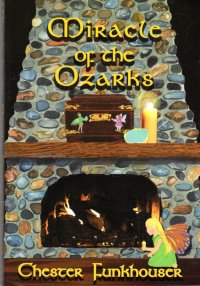 In keeping with my recent spurt of Ozarkiana (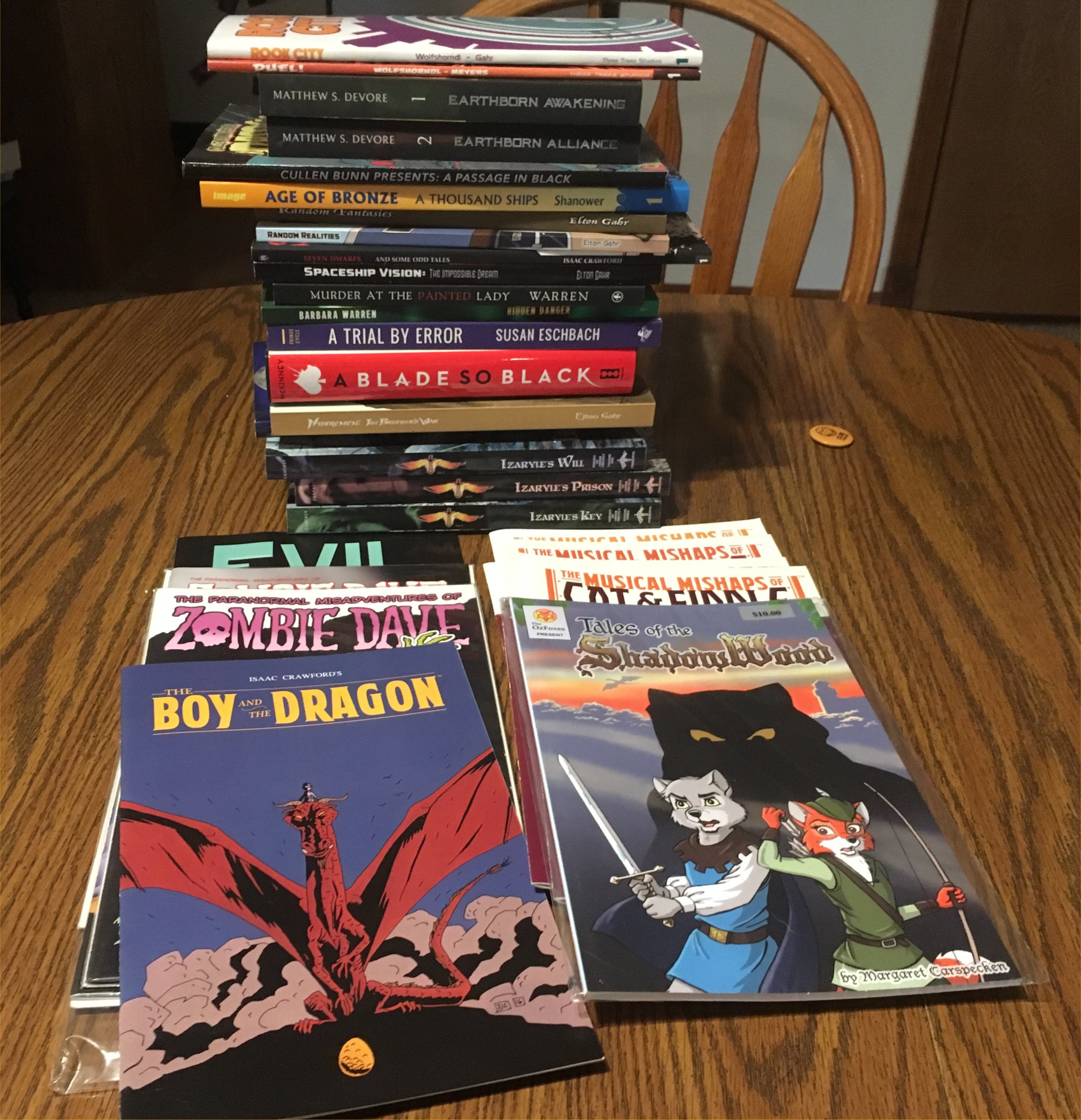
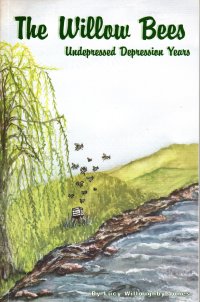 This book is a bit of local color. It was written in the early 1990s by a woman who grew up on a farm outside of (but which is probably now in) Nixa, a little town south of Springfield. It recounts very short, three to eight paragraph slice-of-life memories about farm work, socializing, family relationships, and whatnot interspersed with numerous poems composed by the author, her family, or those in her social circle.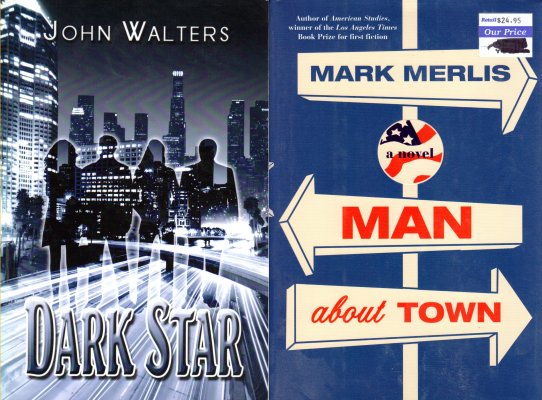
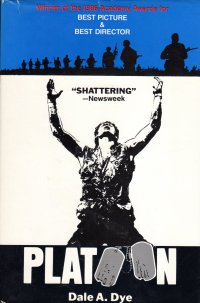 This book is the novelization of Oliver Stone’s Academy Award-winning screenplay. I’ve never actually seen the film, and I really haven’t watched a lot of Vietnam movies
  It’s very rare for me to read a book written in the last couple of years, so it says something when I read a book in its week of release. Robert Crais is the only author that can claim that honor, slight that it be. Well, if you search for
  I was disappointed with
 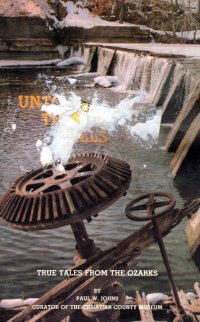 This book is a short collection of historical musings written by the curator of the Christian County Historical Museum in 1980. As such, it focuses on Christian County, especially Nixa and Ozark, although the abandoned town of Riverdale punches above its weight in these pages as the town had a couple of mills and spawned Ma Barker and her boys.
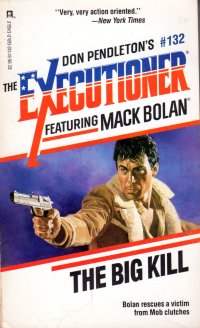 This book is nominally the last Executioner book from the 1980s: its cover date is 12/89. Almost a year into George H.W. Bush’s presidency. Midway through my senior year of college–I was pretty busy with DECA, the writer’s club, and National Honor Society at school, which was compounded by the fact that I didn’t have a car and lived
 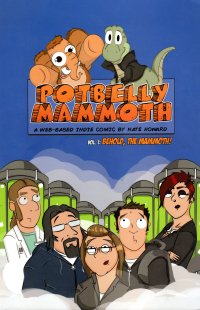 I got this book at Rublecon last weekend. Rublecon is a small comic/toy convention held in Relics’ event center. I missed it last year because when I pulled into the parking lot, I could not find a parking space, and my family was reluctant participants anyway.
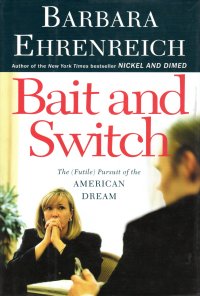 You probably don’t know, gentle reader, that I read Ehrenreich’s Nickel and Dimed: On (Not) Getting By In America around 2003 (my beautiful wife read it and sort of fisked it in two parts,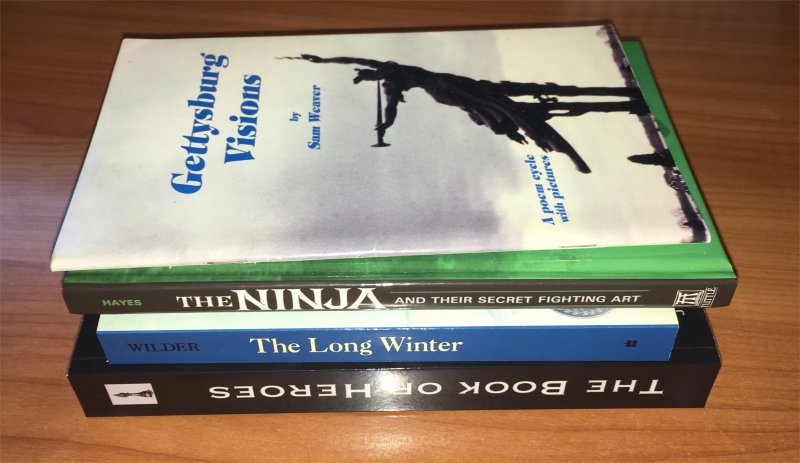
 When I picked up this book at Hooked on Books
 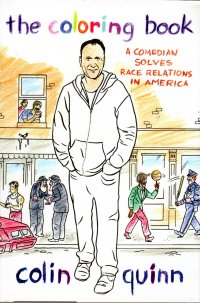 Well, it has happened: I have finally been reduced to reading an actual Coloring Book to pad my annual reading statistics. Oh, how the might he? have fallen.
 I bought this book at Calvin’s Books
  When I read the preceding Little House book, On the Banks of Plum Creek