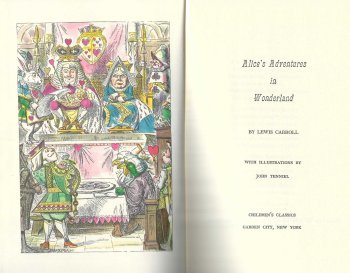
 I am continuing my, well, I would call it a march through the children’s classics that I have in the Children’s Classic series (such as Hans Brinker, Black Beauty, and Heidi). Given that I’ve only got four or five in the set, it’s a pretty short walk indeed.
You know, I started reading this book to my boys when they were younger, but we didn’t get very far–Alice did not even make it to Wonderland before we put it aside. I passed the bookmark where we’d left off, and Alice was still in the hallway.
So if you don’t know the arc as it were, Alice is out with her sister one day, and she follows the rabbit with the pocket watch down a rabbit hole that leads to a hall with a door to wonderland. She has some adventures in the hall before getting into Wonderland proper, and then she gets right-sized to go through the door into Wonderland, where she meets the royal court of cards and whatnot.
They’re simple, kind of silly little bits of whimsy, but when you stop to think about how many tropes and allusions to the stories one knows without having actually read the book–I mean, I knew about the bottles changing Alice’s size, the cards and the Queen saying “Off with their heads!”, and the white rabbit with the pocket watch amongst other things. Maybe I saw parts of the cartoon when I was a kid or read a kid’s book about it when I was actually a kid. One wonders if anything by Dan Kinney or Dav Pilkey will have similar cultural reach. The books about today’s current thing written to teach kids the current party line certainly won’t.
You know, I actually flagged something in the book. It must have been the time Alice used a gun chambered in something other than the ammo she purportedly used. Let’s open the book and see:
‘Never imagine yourself not to be otherwise what it might appear to others that what you were or might have been was not otherwise than what you had been would have appeared to them to be otherwise.’
That’s advice from the Duchess to Alice, and I think they’re words to live by.
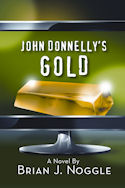

 As you might remember, gentle reader, I watched the Gary Cooper film Sergeant York with my boys
  This is the best Mormons In Space Love Story I’ve ever read!
 I read this book over a week ago, before my vacation, and just a little after
  I bought this book
 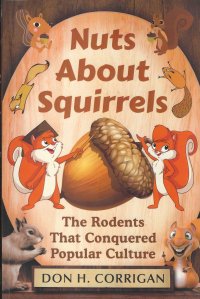 I bought this book
 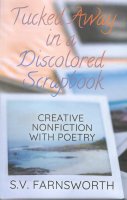 I got this book at S.V. Farnsworth’s book signing
  Gentle reader, this is the last of the Executioner books on my shelf. Alright, alright, alright: I do still have SuperBolan books, Able Team Books, Stony Man Farm Books, and Phoenix Force books. Still: I got my first Executioner novel
 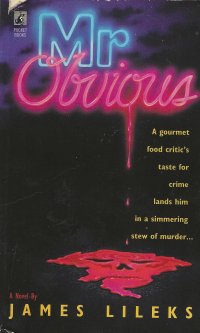 So I ordered this book from Amazon a while back because although I have read some of his nonfiction (most recently
  Last year, gentle reader, you might remember I read a collection of poetry written by residents of one or more nursing homes in the Beverly Enterprises (
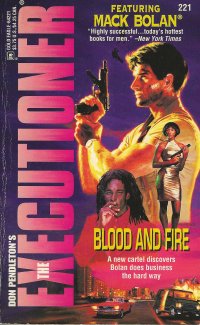 Well, well, well: This is the second Executioner novel I’ve read in a row where the title is meaningful (the first was
  This volume is part of the mid-20th-century Nelson Doubleday Children’s Classics series (as were
  When blog and Internet friend
 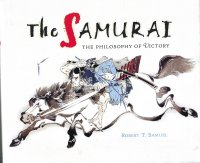 I bought this book
 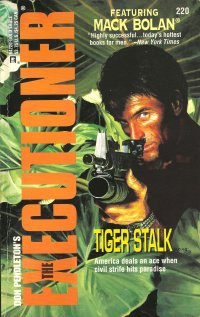 I thought this might be the first of the Executioner novels I’ve read this year, but apparently I read
  Well, it only took me a week to read this book–I bought it at
 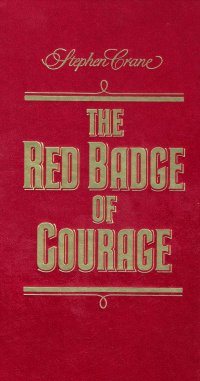 I am going to go out on a limb here and say that the text comes from the 1895 publication of this book; in 1982, Norton came out with a longer version based on Crane’s “original manuscript,” and I doubt they would have shared that copyright with Reader’s Digest the same year (the Reader’s Digest The World’s Best Readers edition came out in 1982, and mine is a second printing from 1983). Not that it matters except for purists. But I am throwing it out there because I read the Wikipedia article.
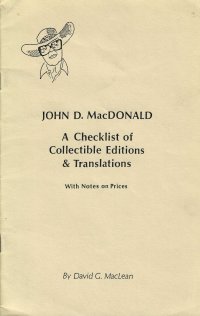 I bought this little chapbook at ABC Books
 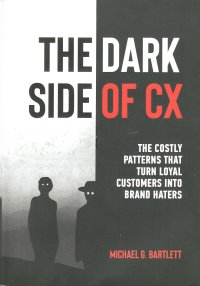 I bought this book new on Amazon when a local tech group mentioned it. I kind of thought that CX (customer experience) would be something akin to UX (User Experience) which deals with UI (User Interface) which is the parts of the computer program that users actually tap, type, and click on. Each step up the chain is a bit of an abstraction that allows the consultants to sell it a bit more to audiences who are further up in the management chain. Pardon me, do I sound a little cynical? Or maybe envious of the cool consultants?
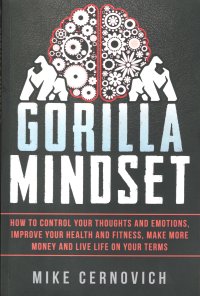 I ordered this book when I saw Cernovich’s name mentioned on two blogs on the same day. Sorry, I forget which blogs they were, but they were likely ones from the blogroll.