Thanksgiving dinner was served late at Nogglestead; my beautiful wife was a bit under the weather and was napping when she meant to put the turkey in the roaster. As it was only the four of us this year, we were very flexible. So we ate late, 7:30 or so, after dark. We had turkey, mashed potatoes, stuffing, cranberries, and gravy.
As is my wont, I finish the meal the fastest, and I got started on the dishes. It wasn’t lost on me that in addition to the normal detritus we were going to wash down the garbage disposal, we were including some bit of mashed potato boiling water thick with starch effluvia along with the resultant remnant mashed potato paste and store-boughten brown gravy. I got to thinking that the last backup at Nogglestead, earlier this year, came on an evening where we’d had a nice Sunday dinner but that required a lot of dishwashing.
Apparently, plumbers call the day after Thanksgiving Brown Friday:
“The term Brown Friday, the first time I heard about it was probably a few years ago,” said Chad Farrell with Roto-Rooter Plumbing.
Local plumbers say the day after Thanksgiving is one of their busiest days of the year. That’s because many households experience drain and pipe clogs in their bathrooms and kitchen sinks during the holiday.
So that was in the forefront of my mind as I washed the large turkey platter and the large turkey roaster pan. I thought I might send one of the boys down to the bar sink to watch for backup while I finished the dishes.
Then I turned on the garbage disposal, and when I turned it off, it drained really quickly. That’s the new garbage disposal I installed this summer, a little oversized perhaps, and not the whisper quiet one because I didn’t want to spend $100 to have ten seconds of whisper quiet every couple of days instead of normal volume garbage disposing.
Now, the linked article says stay away from using your garbage disposal, and I do, for the most part stemming from my time in Old Trees, where the wastewater lines there backed up several times a year. I was aghast when I saw my recently passed (two years? already?) aunt putting whole potato peels down the disposal there when helping with dinner.
So I flipped on the disposal just to clear out whatever bits of effluvia were slowing the draining (hopefully, it was that and not a blockage down the line somewhere). Then I rinsed a dish, and the resulting water drained quickly. Notably quickly. I was surprised and pleased.
Until.
Until my beautiful wife, barefoot, brought over some dishes and noticed the floor was wet. I checked to see if it was rolling off of the counter top, but no.
I looked beneath the sink. The garbage disposal was sitting on a can of cleaner and hanging by its PVC discharge tube. Apparently, over the months, it was unbalanced enough or loose enough to vibrate itself off of the mounting ring that holds it to the sink (its whole weight hangs from the sink, which seems risky enough engineering to me as it is). And the contents of the sink were inside the cabinet and on the floor.
Ah, gentle reader, there is a life lesson in this: Do not worry about what might happen, because something entirely different is likely to go wrong.
I remounted the disposal–the bucket and wood that I used to lift it into place were still together in the garage as I am slow to clean the garage and don’t tend to put things where they belong because other things that don’t belong are already there.
So I will go into this holiday season not only thinking about my dwindling extended family, but also my seeming incompetence to do basic home maintenance chores without disastrous results and spoiling the holiday.
If anyone needs me, I shall be outside, wishing for holiday snow that rarely comes to these lands.





 I saw someone–perhaps the Ace of Spades Midmorning Art Thread–mention Edward Hopper. Of course, I knew about “The Nighthawks”, which the particular post mentioned. So when I got a chance to pick up this book
  You know, ABC Books has amongst its dwindling artists section a thick volume on Watteau, and I felt a bit like a traitor when I bought this book at Hooked on Books
  C’mon, man, it’s like Checkov’s gun. If the man buys a twee collection of tweerific baby pictures as an artist’s “monograph”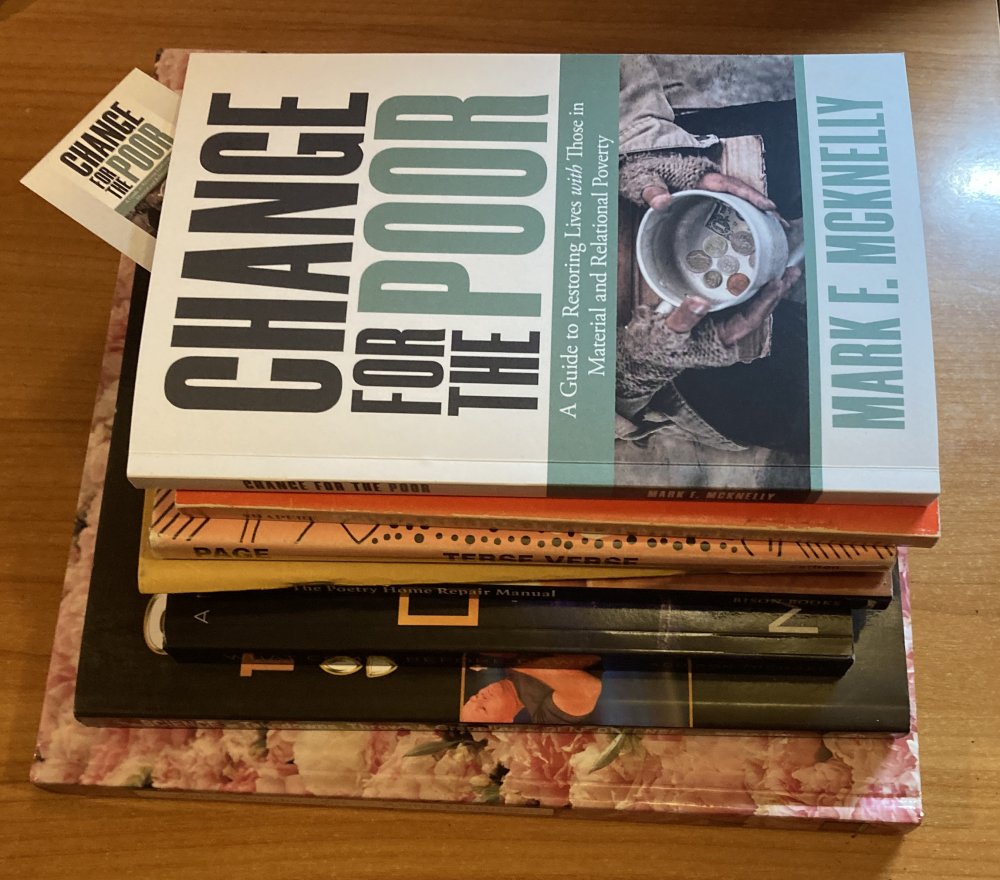
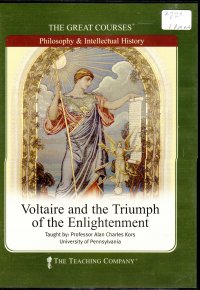 I took a break in the Charlton Heston-narrated cassettes on philosophers to listen to this Teaching Company/Great Courses series on French author Voltaire. Although I had read Candide–my beautiful wife and I took turns reading aloud from it during our courtship–I was not that familiar with him. This course certainly set me a-right. Apparently, he was the biggest European author/thinker of the 18th century, although it might be a touch exaggerated since it is a course on Voltaire, and the course slant tends to be a little homer if you know what I mean.
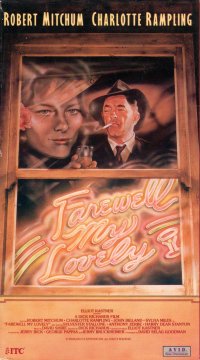 It had been a long time since I watched this film. How long? I don’t remember, but I do remember going through the later film renditions of Raymond Chandler’s works, including
 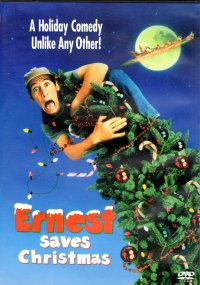 I put a Christmas tree up on November 1 (well, our Trunk or Treat this year was a Christmas-decorated trunk, one of three that showed up at our church this year, so I moved the little Christmas tree from the trunk to the parlor). So of course it’s not too early for a Christmas movie at Nogglestead.
 I bought this book
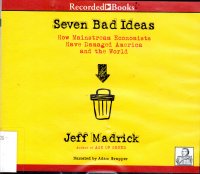 I had hoped that this would be an antedote or rebuttal of