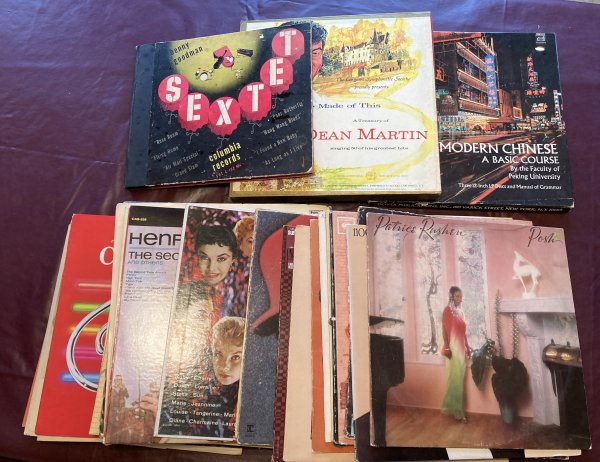
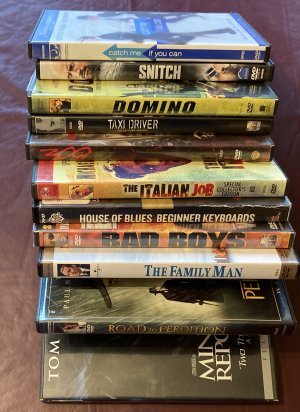
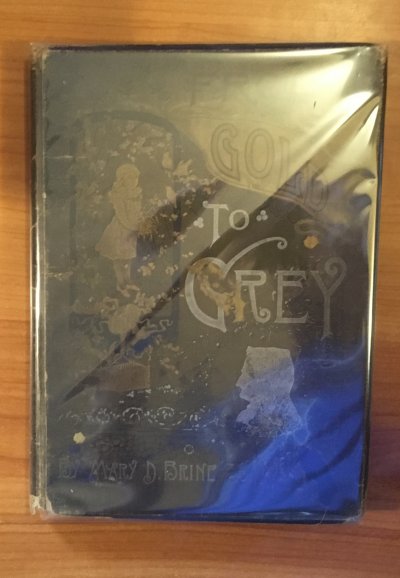
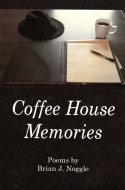
 Well, finishing this book has been a long time coming. I mentioned that it was a gift from a friend at a garage sale at my sainted mother’s in Fall 2008. We would have known, ainna, by then? My sainted mother would have been in the early parts of diagnosing and examining the cancer that would kill her early the next year. Her surgery, which the surgeon later said he would not have performed if he’d known how pervasive the cancer was, would be in late November or early December. So she would have been full capacity, and the event would not have been terribly somber, although we undoubtedly missed my aunt who passed away a couple of years earlier and always made these events a hoot.
More on the history of this book: As you know, gentle reader, I had this book beside the sofa for browsing during football games, wrapped in a paper bag until I properly wrapped it in mylar. I mentioned in September of 2021 that I’d started reading it in earnest, which means “off and on. Mostly off.”
I have certainly read other poetry books completely in the interim, but I had to be in the right frame of mind to read this book. After all, it is almost 150 years old, and I had to treat it gently. I did not open the book completely, only parting the binding the minimum I needed to read the book. And I had to read slowly, as the font sizes varied on each poem down to pretty tiny print to make it so the poems fit into the artwork.
So, the poems: I enjoyed them. They’re romantic, rhyming, and well-rhythmed. They deal with enjoying nature, looking forward to meeting one’s beloved, being with one’s beloved, and a couple about having lost one’s beloved. The sort of thing that heavily influenced me in my younger poet years, and I loved them.
I did flag a couple of things:
The first line of “In the Park” is:
“A thing of beauty is a joy forever!” so they say;
You might know, gentle reader, that I have a volume of the complete works of Keats and Shelley that was on the chairside table in 2019 but has migrated to the dresser upstairs as I’ve read the book outside on the deck in the evenings from time to time. But I know that “they” in this case is John Keats, as this is the first line of “Endymion”. Of course, I already flexed that I recognized it in a book review in 2021–however, to be honest, what cemented the first line for me is that when I mentioned I was reading the, my mother-in-law (epithet needed) quoted the first line to me, and I did not recognize it. But I do now.
A poem entitled “The Golden Gate” begins:
Beyond the clouds, the Golden Gate is waiting,
Which only angel hands can open wide,
And only they whose toil has ended
Pass in, and find their rest at eventide.
Gentle reader, when you and I think of “The Golden Gate,” we think of the bridge. Which was completed fifty-one years after this book was published in the first Grover Cleveland administration.
The book itself is beautiful. Heavy paper and lush illustrations surround every poem.
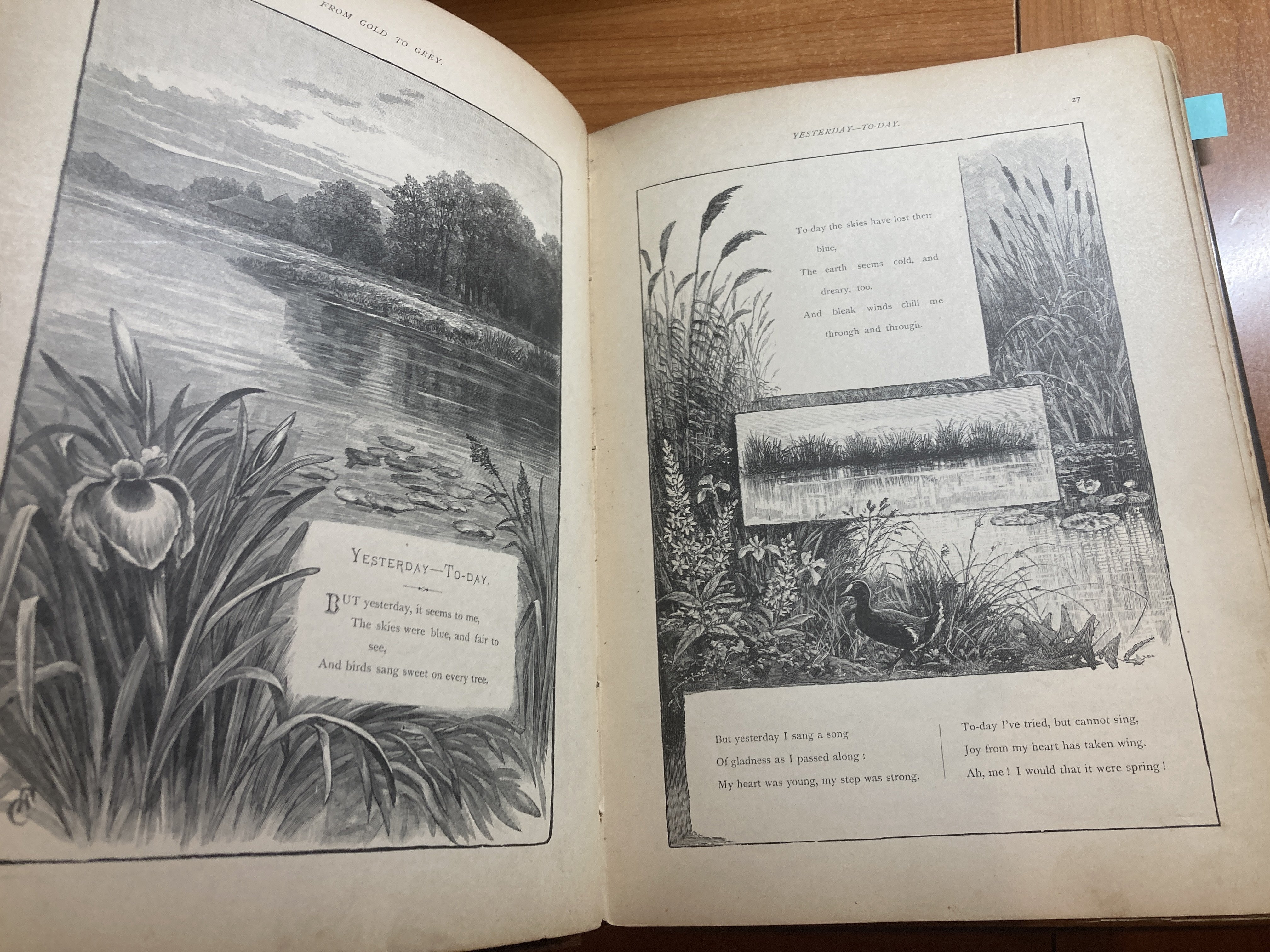
Every page is like that. Beautiful, but hard to read in spots because the fonts (although they probably called it merely “type” back then) is often small so the poems can fit into the illustrations. I might or might not have used a pair of my beautiful wife’s cheaters a time or to, but no one will ever know because I would only have done so after everyone else was in bed.
Now, a bit more about the provenance of this book.
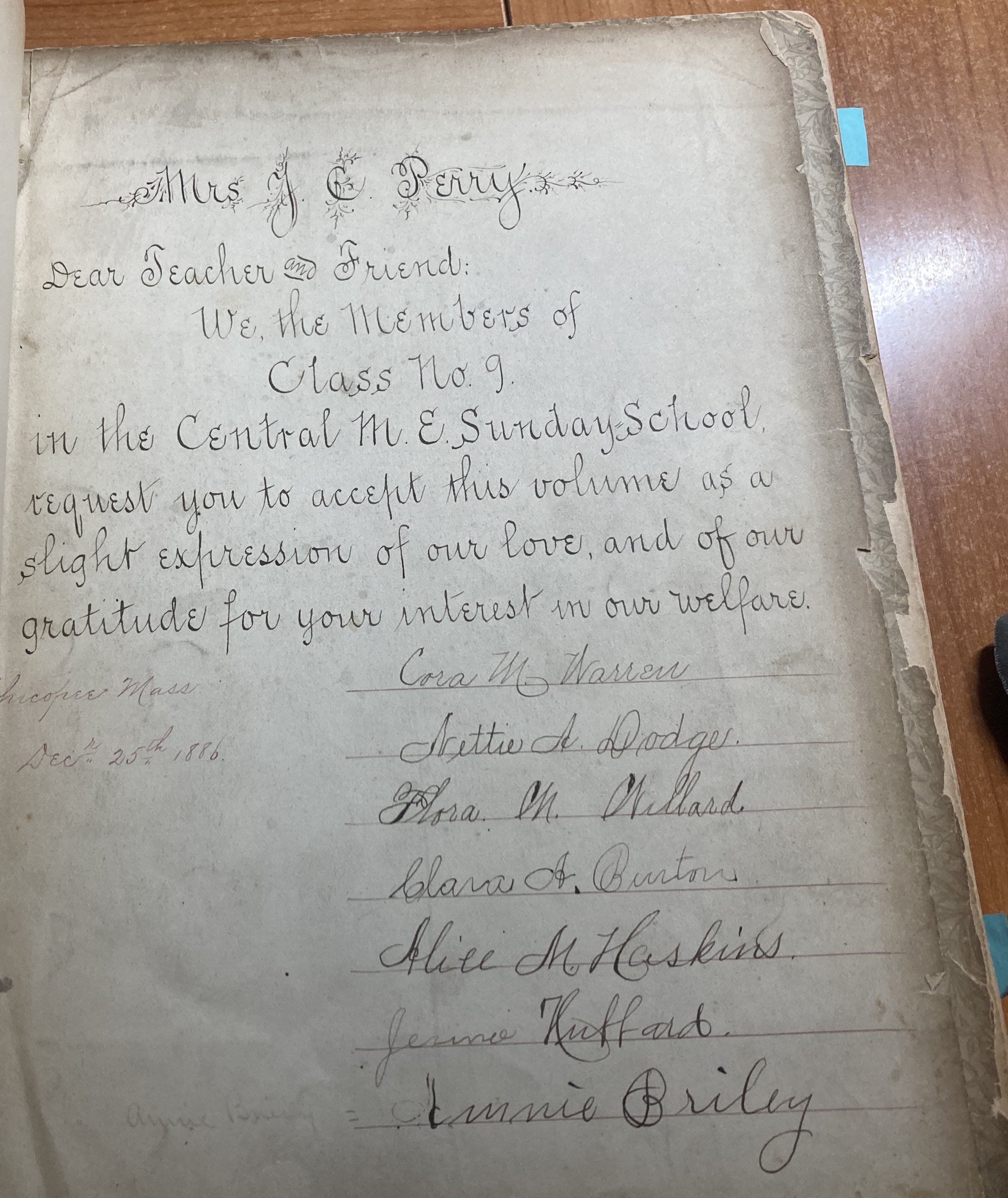
The book was originally given to a Sunday school teacher, Mrs. Perry, on Christmas of 1886.
The book was then given by Mrs. Perry to her grandson, a young man named Ray Wood, in March 1929. Right before the bad times were coming.
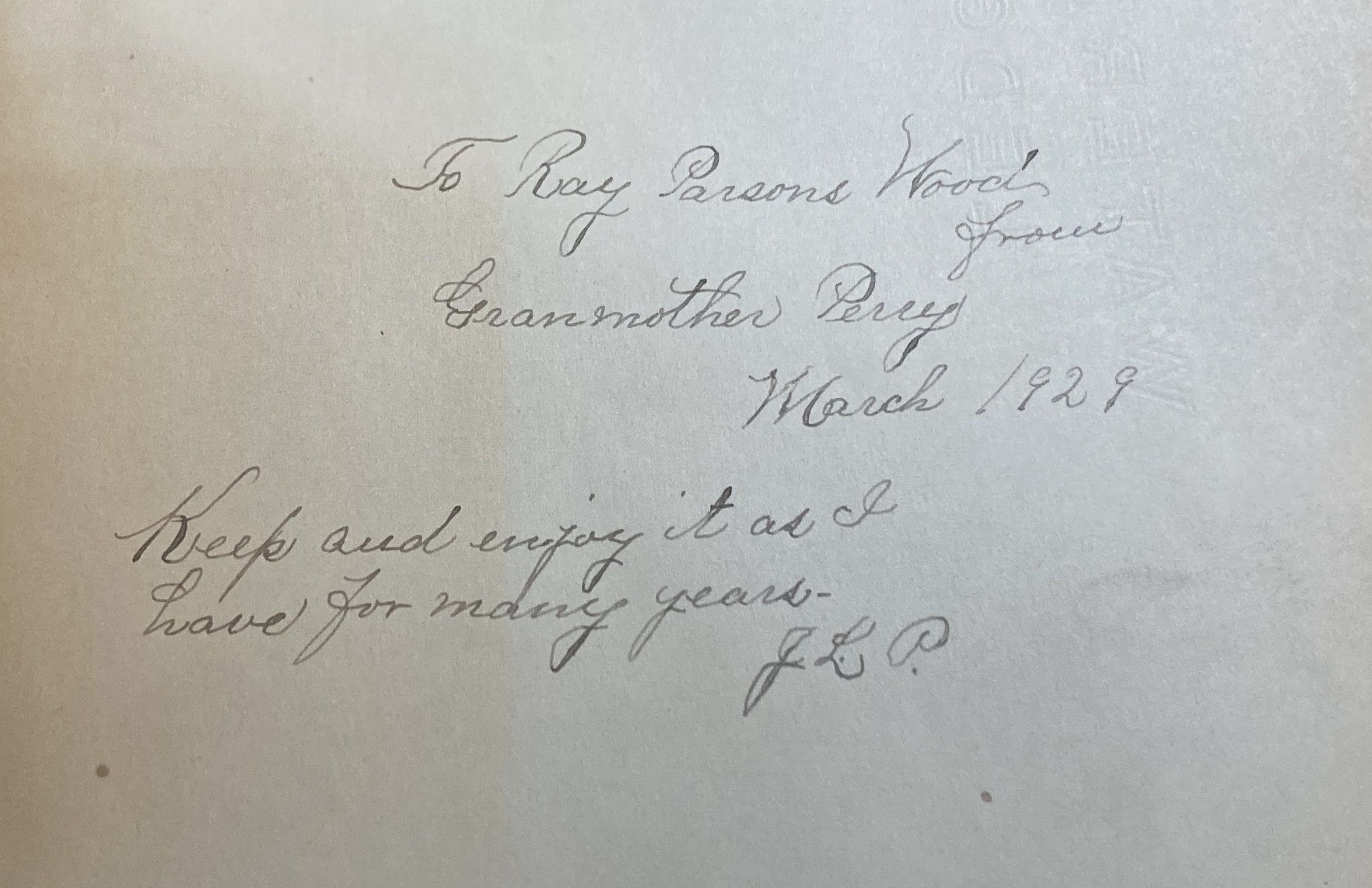
I received this book in 2006 from a relation of Ray, I suspect, as they shared the surname. Given her age in 2006, I would guess Ray was her older brother or cousin and not her father. But what a great gift. I miss “Roberta.”
I’m glad I gave this book its due and read it outside football games. I am glad I’ve protected it with mylar and have hopefully kept Dorito dust out of it. But I cannot help feel some sadness that I suspect that I will be the last person to read the book.
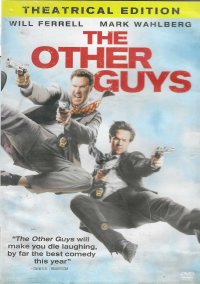 This is a buddy cop film comedy with Will Ferrell as a forensic accountant and Markie Mark as a hothead. They never get the good cases because two hotshot cops, played briefly by Dewayne Johnson and Samuel L. Jackson, get all the good cases, the headlines, and the nookie. When the two hotshot cops die in a foolish jump during a chase that did not have their normal Hollywood ending, Gamble and Holtz think that they have a shot to make the big time. But even though they’re on the thread of something big–a permitting violation has focused them on a British celebrity businessman who is involved in a massive bit of fraud to cover the losses incurred on behalf of a client.
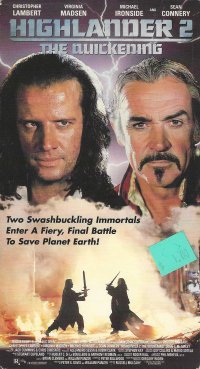 Well, I guess I am on a Virginia Madsen kick. I mean, I posted the trailer of Electric Dreams for a
 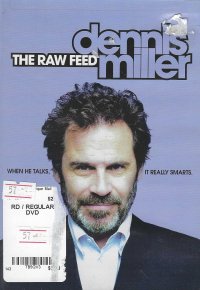 This twenty-year-old Dennis Miller live comedy video from 2003 is mostly interesting as an artifact. I mean, I like Dennis Miller and all (I can’t believe that I’ve only reviewed
 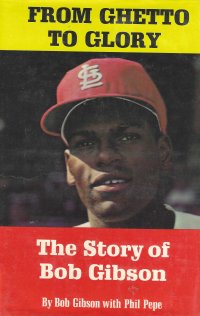 I hopped into this book right after reading
 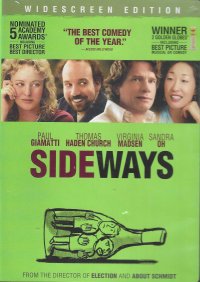 I got this film
 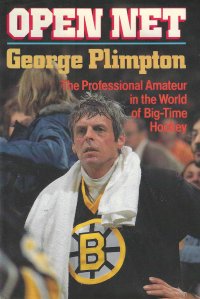 I bought this book at the J. in St. Louis
 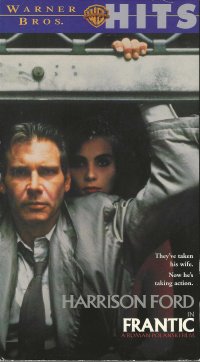 This is a 1988 film directed by Roman Polanski, filmed in France obvs because if he filmed in the United States he’d be arrested if he did. Harrison Ford stars as a doctor whose wife
  I watched the original film
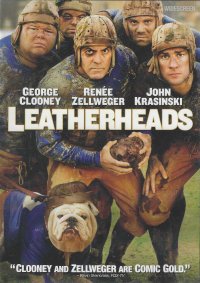 You might remember hearing about this George Clooney football movie. I am not sure how many people saw it. When you come right down to it, you could say that about a lot of George Clooney movies: You’ve heard of it, but you’ve not seen it. He made some interesting selections at the peak of his movie bankability: Oh Brother, Where Art Thou?, The Men Who Stare At Goats, Syriana, Solaris–sometime after 2000, he decided his name alone could bring people in, and I guess it did, but not many. Although, to be honest, I guess I have seen a number of those in the theater, so perhaps I am speaking here without data to back it up (a blogger, abstracting incorrectly? Heaven forfend!).
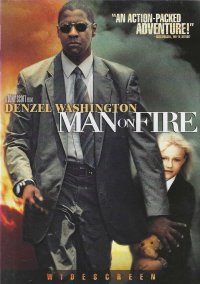 I popped in this film after I read somewhere–I forget where–I am sorry!–that they’re making a television series based on the A.J. Quinell book from which this movie is based. As I doubt modern movie makers actually read books, I assume they’re making it from the ideas expressed in this film. So I thought I would give it a watch. Which I can do now since it’s almost twenty years old and hence an old movie.