In yesterday’s Bleat, Lileks humblebrags about his music library:
I’m agonizing over the music. In the old days: you had a hundred albums or so, arranged on a particle-board shelf with concrete blocks on the end. If you were in college. Or you had them arranged in purloined milk crates. HEY if they didn’t want them stolen they shouldn’t have made them perfect for albums, man. Besides, Big Milk, like, gets money from the government.
Of the 100 albums, there were ten in rotation, and the rest were there to impress someone else, which they never did, or to bring back a mood, or to check if you still liked it. Quite possibly the ones in rotation weren’t even in the albums, just in the paper sleeves, like new friends hanging around the house in their underwear.
Now I have thousands of albums. I do not need them, but there is no cost to having them.
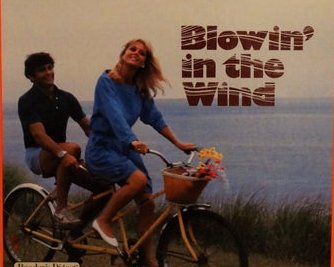
How many albums do I own? I don’t know for sure. I can only say that it looks as though I have ordered 10 100 packs of record covers and I’m almost through the 10th pack. And I have many, many nice record sets. As well as stacks of 78 and 45 rpm singles.
Holy cats, I was going to say that I’d ordered the 100 packs for or five times, but apparently, over the last seven years, I have bought a lot of records. But I guess my Good Album Hunting series is up to 20 or so entries, and I don’t just buy one or two records per.
At any rate, I was going to bow to Lileks, but I guess I have more records than he does. Although he was likely referring to electronic albums, of which I have “975” (I put it in quotes because some of the “albums” are single songs from the album).
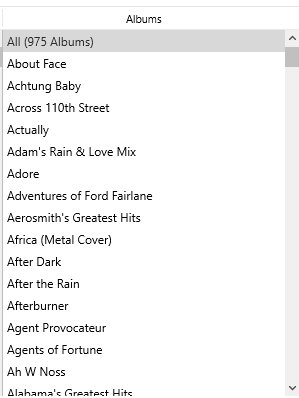
As to the actual record rotation, I can say for sure that I have more than 10 in regular circulation, but I might not have 10% of my collection in rotation. I tend to play a lot of the Eydie and Herb and trumpet and sax, and I know that I don’t play some records often (many that I inherited with sixties and seventies pop, the vast Elvis collection), but I do play more than one hundred of them regularly.
Although I am not listening to the record player as often as I did in the past.
As to the electronic copies of the albums (as you know, gentle reader, I buy most of my newer music on CD and rip it to the computer rather than buying MP3 albums. I often listen to the last in most frequently, but I go through phases where I listen to different genres or different albums as a one off. Like listening to Die Trying’s self-titled album because I read a book with the same name.
So I can’t imagine removing anything from my library. Just in case.
So I was going to bow to Lileks, again, but.

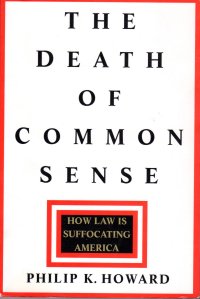 This book is a look at how several factors systematically removed discretion from government and how that made government worse. It’s broken into a couple sections, and basically it boils down to these themes:
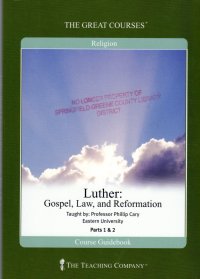 Now this was a good lecture series.
 After
After 



 It took me several months to read this book, gentle reader. As you know, it takes a Dickens book several hundred pages to get going. In this case, I think it was 450 of the 750. So I have read many other books in the interim.