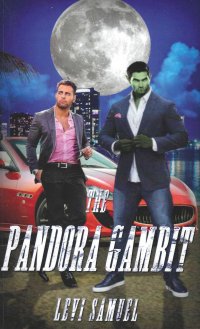
 Well, it’s been a while since I bought this book–I got it at the last LibraryCon, in 2019. As I might have mentioned, I recognized the author, who under a different pseudonym wrote Dammit Bre!. So I’ve bought at least six of this guy’s books; this is the second, and the first fiction of them I’ve read.
I guess the point was to write a quick bit of fiction blending urban fantasy with Miami Vice. And, you know what? He did it. I’m going off of his author’s notes here, a bit of Piers Anthony’s thing, as I recall, putting author’s notes about the writing of the book and the reaction of fans to his work.
Alright, so, the plot: The olden folk, elves, orcs, and whatnot, have gone to ground and have hidden from us for centuries, but they’ve also participated in the world a bit where their interests are concerned. In the modern day, an operation of their kind goes awry, and one of the elves betrays his fellows in law enforcement, leaving his partner wounded and left for dead, whilst the elf goes off to help distribute a drug that has different effects on the races. It makes orcs into berserkers, and it elevates humans to be able to see through the magic that hides the other folk. The olden folk want to keep the drug off the streets, and that means that an orc has to partner with a human detective to break the drug ring up.
So it’s a quick, fun read. And I’m a bit inspired by Levi Samuel Rickard–he’s banging out these books, and they’re likely getting better (this is only the second of his I’ve read, but I have four fantasy books floating around somewhere). It’s almost enough to inspire me to work on one of the novels I’ve plotted or stubbed out here, but not yet. Perhaps when the boys are out of the house. But most likely not. But I can appreciate the efforts of those who do.
 I bought this book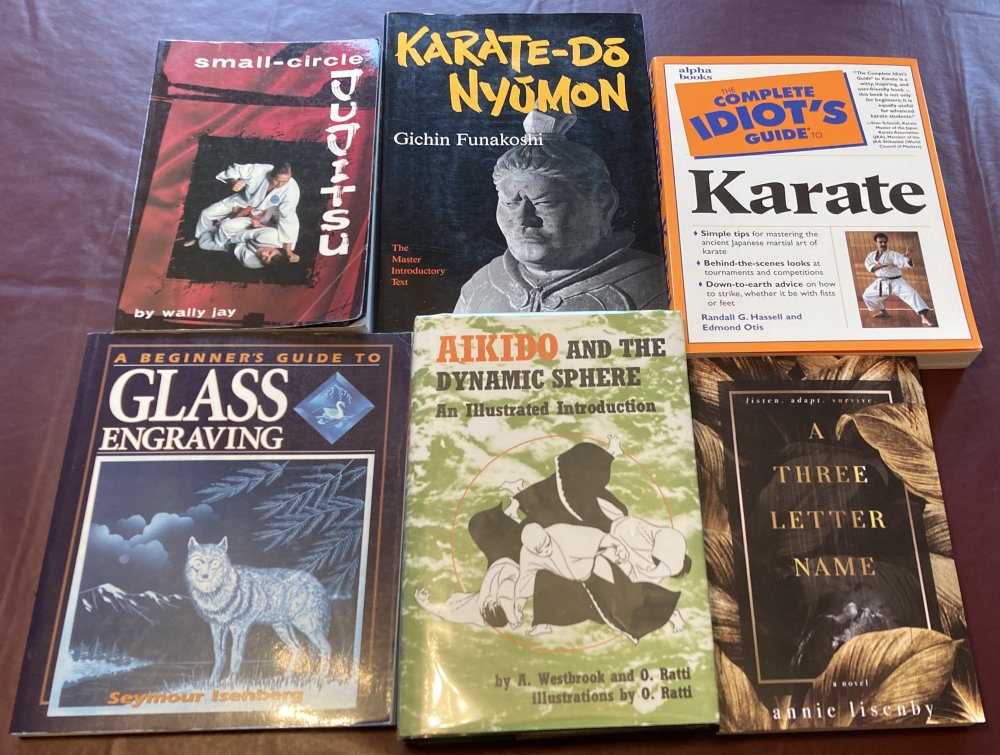
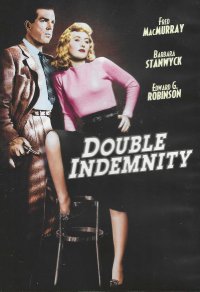 I know, I know; it’s taken me how long to see this film whose screenplay was written by Raymond Chandler? This long, gentle reader, this long. So the real Chandler fans amongst you can titter behind your hands. I don’t know why it took so long; I guess it had been until now that I’d found it inexpensive for sale, or until recently that I was in the mood for a black and white noir film.
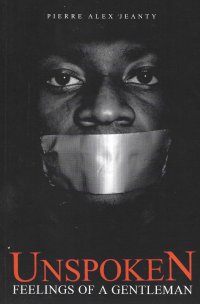 This book was in the poetry section at ABC Books, but that’s a bit of a misnomer. The author’s bio calls him a social media influencer, and the book reads like a bunch of Instagram posts. Some are a couple paragraphs of prose, and some are “poetry,” although they’re just prose with line breaks.
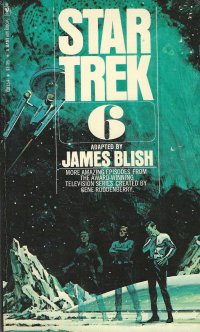 You know, I had almost forgotten that I was working my way through these books earlier this year. So when I was looking at the to-read books in the hallway, I thought, Oh, yeah, and this book provided just what I was looking for: A quick and pleasant read. I mean, I have to get my stats up. I’m only in the 40s in the books read in 2022 list, and it’s almost August. And I’m not sure we’ll have the football package this year for me to browse monographs and chapbooks.
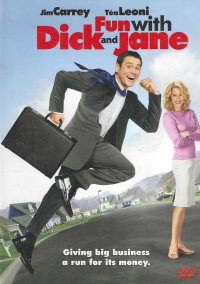 This film is a seventeen-year-old remake of a
 Oh, I have come to a place where I think of movies that are almost twenty years old as “recent.” I mean, this film came out when this blog was but a year old, when I was only a bit past thirty and probably didn’t even think about having children. So, yeah, this film came out two lifetimes ago, but it seems like not that long ago.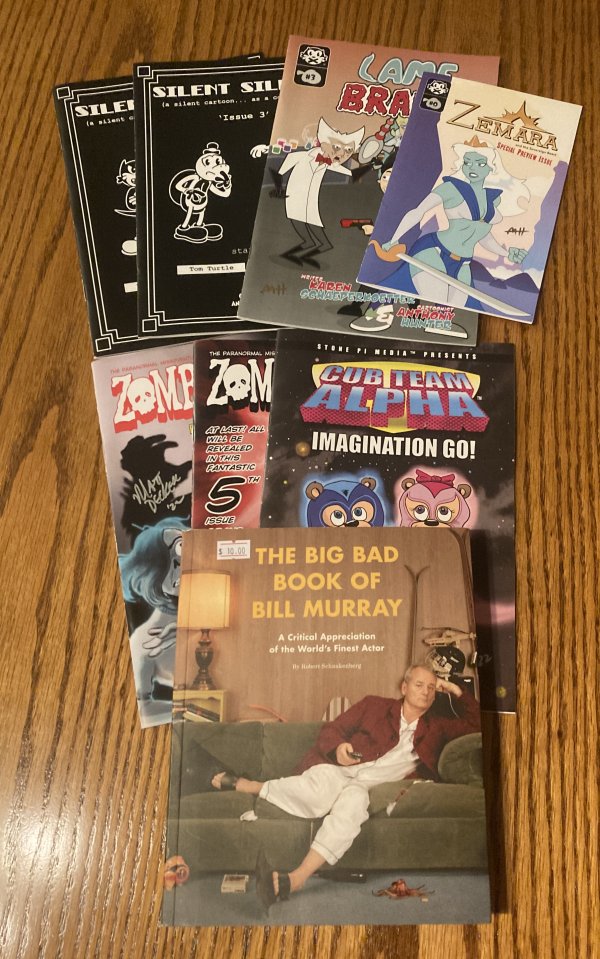
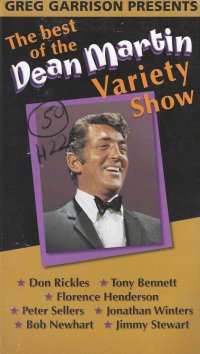 The Best of the Dean Martin Show was a collection of videocassettes and later DVDs with songs and skits from the decade-long television program along with occasional commentary from guest stars and the producer/director who released this set. It comprises 29 volumes in all, but the Lutherans for Life garage sale only had 7 videocassettes, and not contiguous, which makes me wonder where the other 22 went.