On Friday night, my beautiful wife forewent the normal extravagant meal at Avanzarre Fine Italian Dining while the children languished at a Kids’ Night Out program at the dojo so that we could go to the Friends night at the book sale in Ozark. Rest assured, we did get something to eat, some fine Italian pizza at Rocco’s in Nixa afterwards. Not that I worked up much of an appetite.
I was the model of restraint.
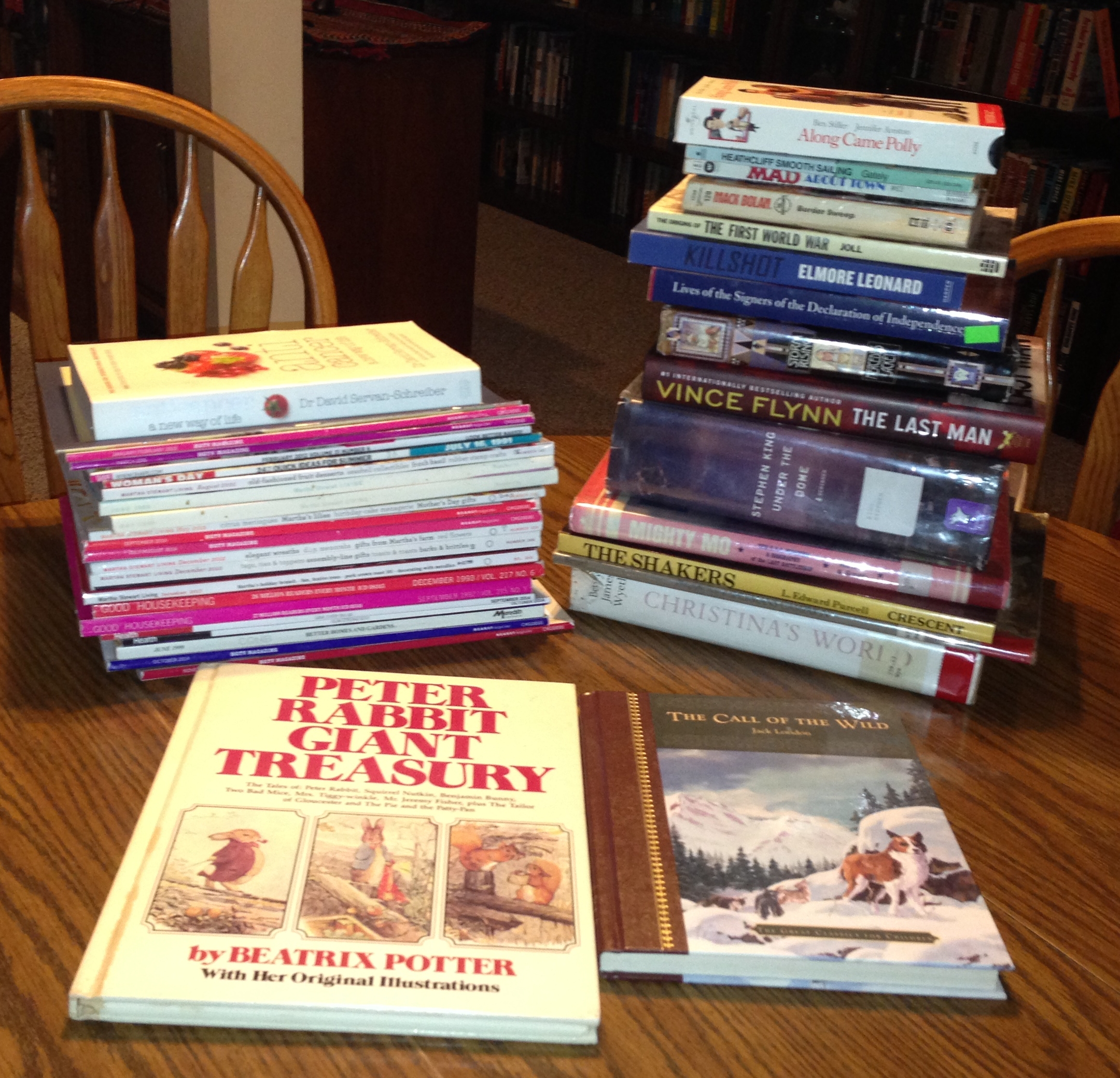
I might be getting older, or I might recognize that my current book shelvage is already bursting at the seams and know that a still larger house is not coming any time soon, but I only bought books I thought I could browse soon or during football games. Well, okay, after I’d circled the room, I had a box in hand and was getting less scrupulous while my wife looked through magazines, but she didn’t take long enough for me to require a trailer.
I got:
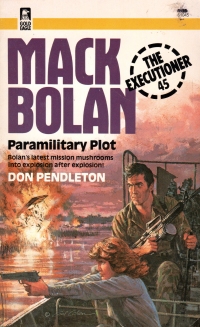
- One Mack Bolan/The Executioner book. This particular book sale has been a source of a lot of men’s adventure paperbacks, but this year there was only a single one. Which I was pleased to learn I did not already have.
- A Mad magazine paperback, Mad About Town, and a Heathcliff book, Heathcliff Smooth Sailing, which I’ll browse at some point. But I won’t enter them into my book database because they’ll soon end up in my children’s library instead of mine, where the boys will read them, sleep on them, and step on them until they’re destroyed.
- A photo collection of Andrew Wyeth’s work, Christina’s World. I had a print of said image hanging on my wall in college.
- The Mighty Mo, a photo history of the Missouri, the battleship.
- A pictorial history of the Shakers.
- A history of The Lives of the Signers of the Declaration of Independence
- Kill Shot by Elmore Leonard.
- Under the Dome by Stephen King to go along with my growing library of unread Stephen King books.
- A Mercedes Lackey title, Storm Rising
- The Last Man by Vince Flynn. My wife has borrowed a couple of his books from the library, so I picked one up only to learn she didn’t really like him.
- A history of the first world war to go along with my unread history collection.
I passed on a number of Roman history books, which is odd, given that I’m reading a bunch of classic works from the era (starting with The Gallic and Civil Wars). Normally, when I start reading a number of books on a historical topic, I buy up a large number of titles in the focus area as though I’m going to be a scholar in it. Then I read something else instead. This explains my several volumes on Mongol and Aztec history. Or perhaps, as The First World War purchase this weekend proves, I just buy a lot of history books.
At any rate, in the upcoming weeks, I’ve also got the Friends of the Springfield-Greene County Library and Friends of the Clever Library book sales to look forward to. We’ll see if my restraint is a going trend or if I just wasn’t in the mood on Friday night.

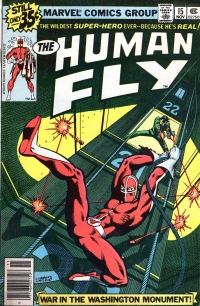 I recently read The Human Fly #15 (Marvel Comics 1978) with its cover line “War in the Washington Monument!”