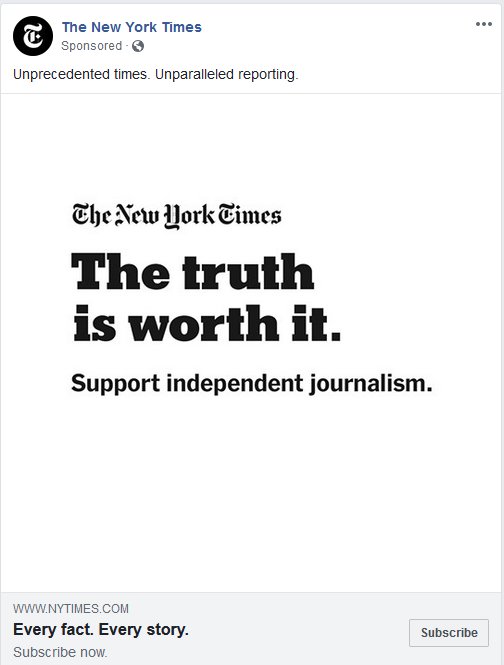
I saw this on Facebook:

It didn’t resonate with me as me. Which is not to say I’ll not be grabbing my beautiful wife in, erm, twenty or so years (that soon?).
It reminds me of a guy I worked with in the print shop circa 1996. Kenny had worked at the shop since The War, forty years by then, and he’d worked with a lot of the employees for a long time as well. I find it hard to believe now, but many of the employees had been with the shop for decades, having moved with it from the city of St. Louis out to the then-hinterlands of O’Fallon sometime in the 1960s. So these people had worked together a long, long time.
A woman named Della worked on the bag presses as a boxer. Every day for innumerable years, she took bags as they came off the printer and after they’d run through the glue and folding channels, and she placed them in boxes. Whenever she would walk by Kenny’s little t-head press, he’d hoot and catcall her. And she was someone’s grandma probably. Maybe great grandma.
But Kenny had known her when they were younger, and maybe she was quite a looker in the 1950s. So he still made suggestions that he should probably consult his doctor before attempting, and she laughed at him.
I thought it might make an interesting novel: A tight knit group who’d work together a long time gets blown up when the woman in this case, who has flirted with a male employee for decades, looks at her retirement and finds it wanting so she sues the company for allowing sexual harassment. I think I got as far as naming a few characters, but that was it (twenty-some years ago).
In the actual print shop, though, there as no tension, and Della might have been flattered.
As I’ve grown older, though, I’ve come to understand something of Kenny’s viewpoint. To twenty-four-year-old Brian J., Della was old, but that’s because I met her when she was older. But I’ve known my wife for over twenty years now. Technically, she is old enough to be a grandmother herself (somehow); by the time my mother was her age, I had graduated college, and it would only be a year or so until my mother was a grandmother. My own grandmother was a grandmother much earlier.
I think my wife is as beautiful as she was when she was twenty-five. She is that girl and the woman she has become. So she’s that girl and more. She’s all that she was plus all she has become since then. I don’t think I can quite explain it, but there it is.
So as I get older, like Kenny, I shall likely continue to make suggestive remarks even as I advance to an age where that will make me a goat. Because of Kenny. And the Spenser novels. And my wife, who will become even more beautiful (although I’m not sure how the math works on that).

 I was impressed (such as it is) with the previous entry in this series,
 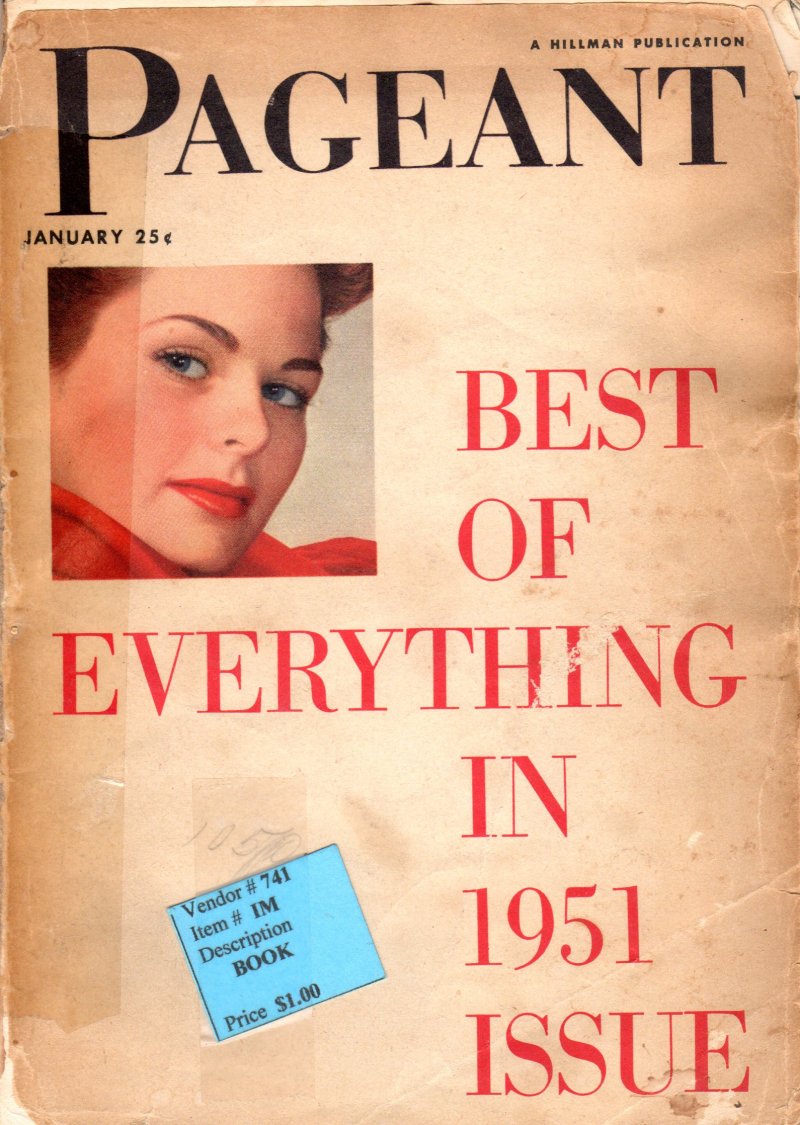 This January 1952 issue of Pageant magazine is its Best of Everything 1951 issue. A time capsule into the immediate post-war world in a digest magazine that apparently sought to take on Reader’s Digest. It’s a general interest magazine, with not so much the high writing of the slicks nor the woman-focus of home magazines.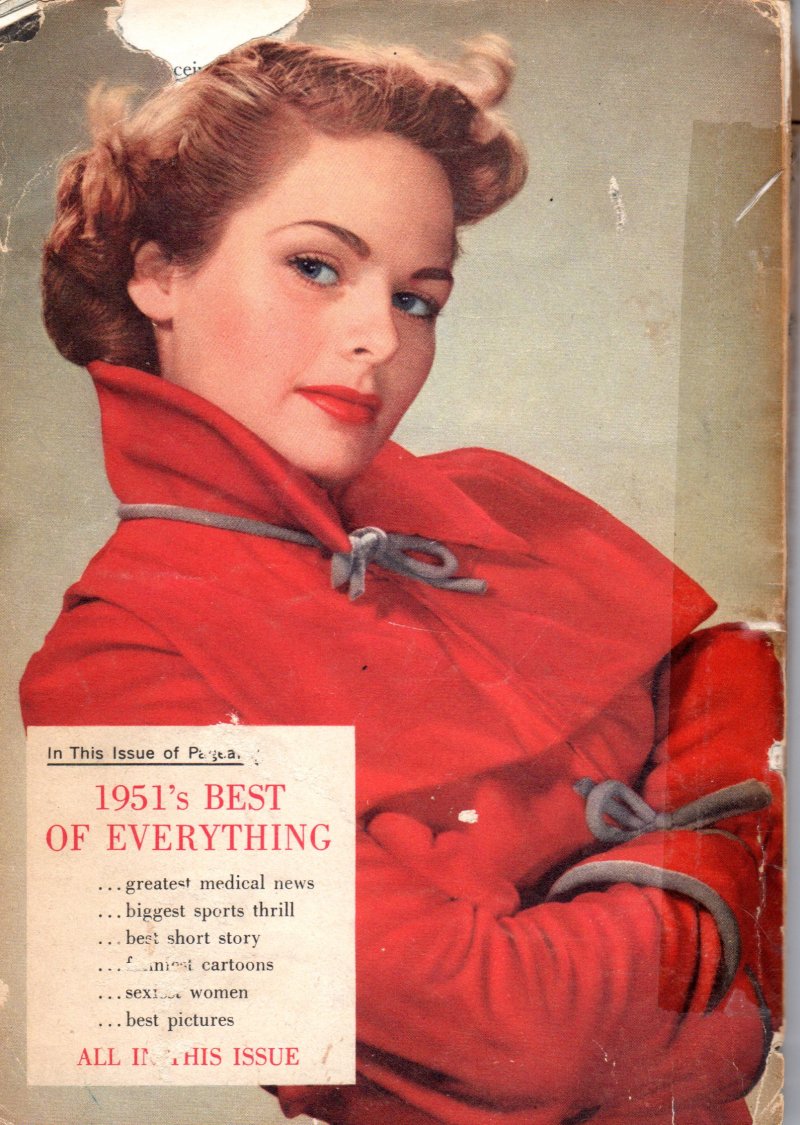
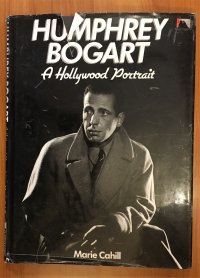 This is a coffee table book that presents a short biography of Humphrey Bogart, and then kind of steps through his career and filmography with promotional stills and perhaps some candid snaps, but probably less “candid” than posed behind the scenes shots.
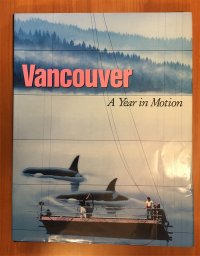 This is the official book of the Vancouver Centennial celebration in 1986, and its schtick is that a series of photographers went out to photograph the city in its centennial year. So it starts in January and runs through December and includes the building and running of the exposition that marks the centennial.
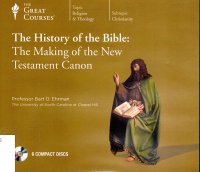 This course offers a history of how the books of the New Testament became the canon. I guess the title indicates that. But it’s not a straight ahead timeline of the conscious development of the New Testament. Instead, it’s more of a survey of different things to consider when looking at the history. It discusses the different types of literature in the New Testament, the Gospels, the epistles, and apocalyptic literature. It touches on apocrypha that did not make the final cut (and sometimes why). It talks about the creation of the written literature as the church evolved and needed a central repository of teachings to share among the scattered churches. It also talks about copying errors and whatnot and a touch of church history.
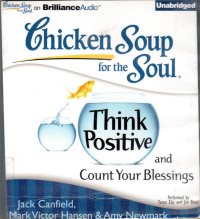 This audiobook is a collection of sort little essays about, well, counting your blessings and finding the bright side of things. It has eleven pieces by eleven authors. One of them is, literally, a woman who enumerates one hundred blessings, so it’s a couple minutes of sentence fragments.