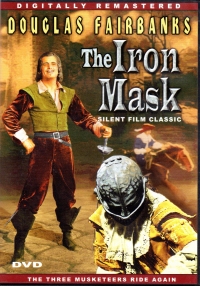
 “The Man In The Iron Mask, you mean?” you might ask.
No, old man, although that film is twenty-one years old now, and might be the last thing I’ve seen with Leonardo DiCaprio in it, the film I watched the other night is older than that.
I watched The Iron Mask which features Douglas Fairbanks. Originally filmed in 1929, it was reissued (re-released? remade for television?) with narration by Douglas Fairbanks, Jr., replacing the titles. Which is why it makes a sort of sense that I had to keep shushing my children so I could watch my silent movie.
The plot of the movie differs from the later film; in it, the rightful, benevolent king is replaced by the evil twin, but the musketeers intercede to place the benevolent king on his throne.
The film also incorporates elements from the book previously seen in the 1970s films The Three Musketeers and The Four Musketeers.
I was most impressed with the stunts in the film, and of course, the swordplay. The musketeers and their adversaries fight rapier-style, with thrusts and parries instead of big swings and blocks that you get out of most movies. Although my oldest child did look up from his gaming device and ask if they were dancing or fighting. But he was not paying attention.
In the original release and in this re-release, Douglas Fairbanks delivers a play-like prologue and epilogue that the original audiences would have heard and marvelled at.
So how does it hold up? It’s pretty good, especially with the narration added. The gags work, the stunts still work, and it moves along for its hour and a half.
I’m glad to have seen it and Douglas Fairbanks in action. I’ve seen Errol Flynn already (in Santa Fe Trail with Ronald Reagan).
Also, note the way I found the title of Santa Fe Trail: I knew it was a film with Errol Flynn and Ronald Reagan; I thought it might be This Is The Army because I remember my mother had that title on VHS (which probably means I have it on HS somewhere). So I scrolled through Reagan’s IMDB entry, and This Is The Army didn’t seem like the film I was thinking of. So I scrolled through Flynn’s and didn’t see any title that rang a bell. But then I remembered it had Raymond Massey in it as John Brown. You know, Raymond Massey, the guy who was Gail Wynand in the film version of Ayn Rand’s The Fountainhead. So I looked through his IMDB entry and found it. Because I knew Massey from The Fountainhead, which I watched over and over again in my youth.
Well, this isn’t really a review, is it? It’s more a musing which is more about the connections in my head and the thoughts I had on watching the film. I hope I’m not boring you too much, gentle reader, but mainly I’m writing for me in a couple years, and this post will jog my memories of this moment. You’re just here for the ride.
Oh, and if you’re wondering what I thought about Dumas’ book, you can find those book report musings here for the abridged version released with a cover tied to the 1970s film and here for the complete version. And by “you,” I mean “me in five or six years when I’m re-reading this post and remember I read the book, too.”
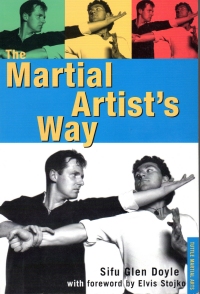 It’s been almost a day since a small business owner came around the counter and put me in a martial arts hold, but we’ll come to that by an by.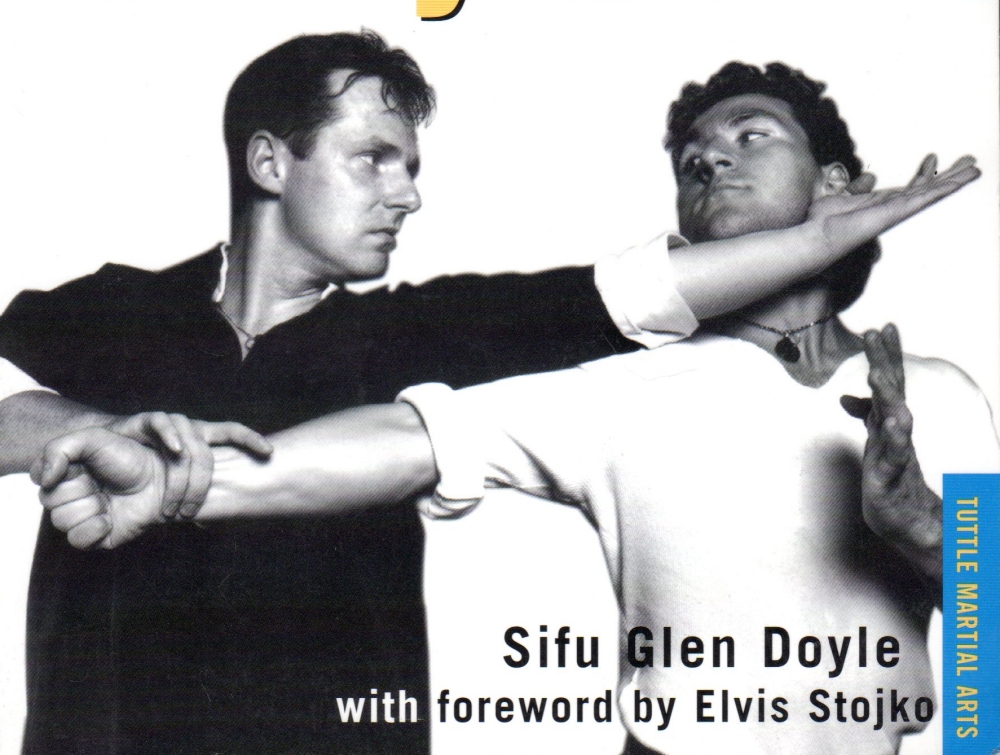
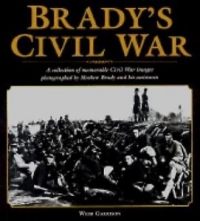 What better book to review on Super Bowl week than a book about Brady? Except I flipped through most of this last week, only finishing it this week, and the Brady in question is Matthew Brady, the mid-ninteenth century photographer, and not the football player. Other than that, it’s almost the same thing.
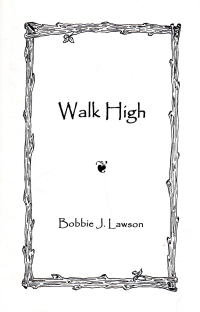 This book is a chapbook of poetry written by an elderly woman in the twentieth century. The book itself is not dated, but one of the poems says now in ’91, and there’s a prose story that praises one of Lawson’s relatives that is dated 1998. I cannot find any information about the author or this book on the Internet, so you’ll have to trust me that it exists at all.
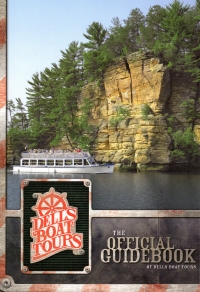 It’s kind of funny: I read tourist guidebooks for places I have not visited (such as
 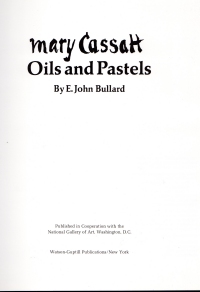 This is the second of the two books I bought about Cassatt

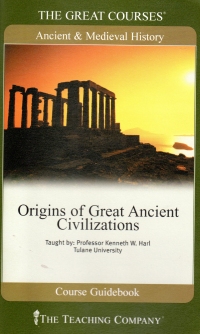 So the guidebook to this course presents me with a little dilemma: Should I count it as a book against my annual reading or not? I mean, I counted the guidebook for the course