I’ve started to read the Complete Works of William Shakespeare, and instead of writing one book report at the end, since this could take years, I’ve decided to post my thoughts on each play as I finish it. Of course, it will still only count as one book on my annual reading count in 2020 because I’m silly that way.
It took me quite some time to get through this play. Originally, I thought I would do a couple acts of a play a night, which would mean I could finish a play in a couple of days. This is not me at my peak Middle English consumption–that was in college, when I read five Ben Jonson plays in five nights to catch up on the semester’s reading ahead of the final. But it would mean I was progressing steadily through the collection. Then the reading tailed off to maybe an act a night. Then, maybe a scene. Then maybe a scene a week. Which is where we got to with this play.
The setup: The Duke places his second in command in charge of the town while he travels because he’s been lax in enforcing some of the laws, and he knows that the second will vigorously enforce them, cleaning up the city and allowing the Duke to return and lessen the hand of government. The Duke, though, stays in town in disguise of a friar. The second behaves as expected, and as part of his sweep catches up a young man who has impregnated his fiance before the marriage, which is punishable by death. The young man’s sister is just a couple vows short of becoming a nun, but she goes to implore the subduke to spare her brother, and he is taken with her and promises to release her brother if she will sleep with him (the subduke, not the brother). That is the crux of the play: Whether she will give in and save her brother through carnal means or not.
We get some good theorizing about mercy versus justice, but eventually the play breaks down a bit with a number of characters that don’t do much but keep sixteenth century actors busy and provide a bit of convenience to wrap the play up happily. It’s not as tight as some of the better-known plays, and it really has put me off a bit on reading more in the canon–although the next one is Much Ado About Nothing which I remember most as Keanu Reeves’ Shakespearean turn. So one of these days I’ll get into it.



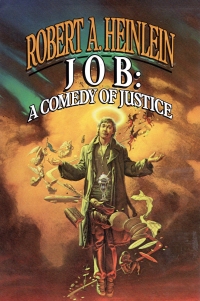 This is a later Heinlein novel. Published in 1984, it has a heft to it that the earlier rocket jockey stuff had, but it’s a bit boggy and ends less than well from my perspective.


 .
 on sonnets.

 More interesting than the book itself is the way I ended up with it. I took my children to Barnes and Noble last week, as I was looking for a guided journal full of writing prompts to get me writing longer things again, and as a treat, I told them they could each spend $7. Which is enough for a magazine, but probably not enough for a great big Lego book with collectible mini figure or picture encyclopedia a la


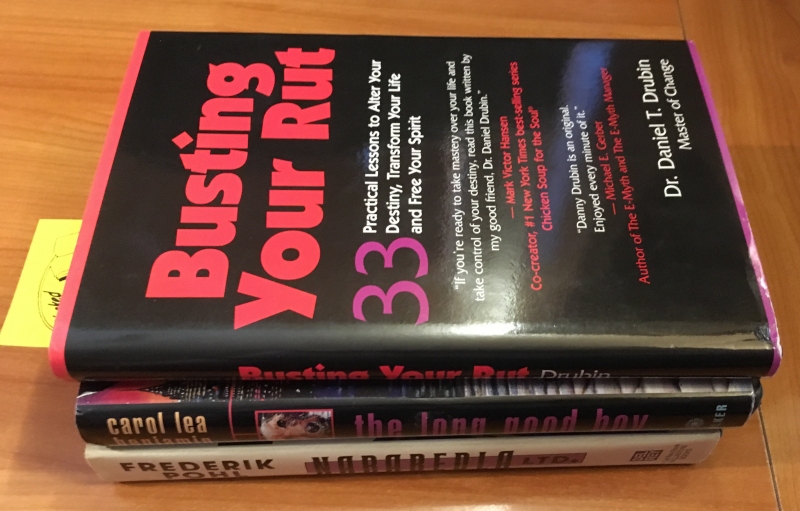

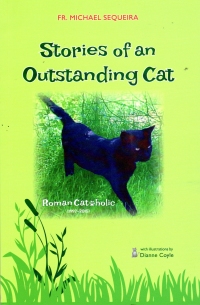 I grabbed this from the free cart at church


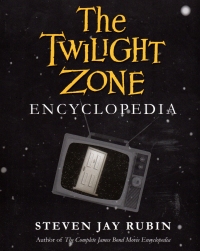 I bought this book when I saw a conservative blog I read (I forget which, but I hope it’s not the hoity-toity Ace of Spades HQ Sunday Morning Book Thread since OregonMuse posts my books) mention it and say that it was anti-Trump or something. To be honest, it’s not particularly anti-Trump: It does not mention him by name, which is refreshing in a book you’ve been told is a sucker punch hit job. It does say that The Twilight Zone told uncomfortable truths/stories (which is kind of like the Resistance, amiwrong?), but you see that sort of thing in a lot of books touting shows, both current and historical. A couple of entries have phrases of dubious provenance but that are clearly meant to refer to These Dark Times, such as mentioning jackboots returning in the 21st century and whatnot. But overall, not something that Michael Moore or–what’s that guy that was a “comedian” and then “Senator” from the state that elected that wrestler who wore feathers as governor?–would have written.
 . So I might think about that, too.
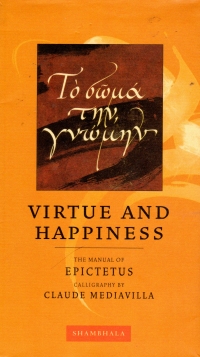 As you might recall, gentle reader, I bought this book at ABC Books last month because