Emanuel urges Rauner to extend income tax, raise minimum wage.
Make it so a small group of people make more money, and then tax them on it. Brilliant!
Step 3: Government revenue. Which is like profit, except it’s compulsory.
To be able to say "Noggle," you first must be able to say "Nah."
Emanuel urges Rauner to extend income tax, raise minimum wage.
Make it so a small group of people make more money, and then tax them on it. Brilliant!
Step 3: Government revenue. Which is like profit, except it’s compulsory.
Yesterday, I got a Google search hit for "aristophanes is not your name":

The result is, of course, this bit.
Strangely, though, I am not the top Google hit for that search.
I can do better.
The slippery slope: Family asks Ellisville for special permission to keep goats.
See, it started with chickens, but urban homesteaders won’t be happy until they can have a herd of yaks in their back yards for their home organic kumis brew operations.
You know what you can do when you get the urge to raise livestock? You can move to the country.
This book is a ninety year old children’s book, written when children’s books were not 300+ page fantasies part of a series for adults to read. As such, it’s a couple pages over one hundred and is, the title page informs us, designed to make children interested in history. As opposed to fantasy, magic, dystopia, and intrigue, which is what we’re teaching them now, I guess.
At any rate, this follows two young Norseboys, Leif Ericson and Thorkel. Leif has come to live with Thorkel and his family, including father Lodin and wife Astrid. The chapters of the book recapture some of the slices of life in Norway around 1000 AD: Lodin comes home from raiding England; they drive the cattle down from the mountains for the winter; they prepare for and endure winter; they prepare the cattle to go to the mountains in the spring; they attend a Thing, which is a court proceeding adjudicating a dispute among neighbors and then a duel when one party does not concede. Then, the boys go their separate ways: Leif to Greenland where his father lives and then onto the Americas briefly and Thorken as part of a war between his half-brother, who becomes king of Norway, and an alliance of other nations against him.
The book has no larger plot other than these guys growing up and becoming men. It illustrates the way the Vikings lived from the perspective of young men whom the target audience could relate to. And it leaves the reader a little smarter than when he started, even if it’s only to remind an adult of things he’d learned about the Vikings in school but didn’t have at the tip of his brain.
This 1924 book was published by the World Book Company. Later, that company would be better known for its encyclopedias.
It’s a handsome looking hardback, too. Which is a shame, though, because I’ll probably start collecting other volumes in the series in my nonchalant collecting fashion, and it’s hard for me to keep track of all things I’m nonchalantly collecting.
Books mentioned in this review:
Randy Johnson (not the baseball pitcher) rounds up his October reading: Thirty books.
I’m not my top pace of a couple years back, and even then I was not reading thirty books a month.
Here’s what I completed in October, if you’re interested:
Poems of Creatures Large and Small edited by Gail Harvey
Dirty South Ace Atkins
The Fall Albert Camus
Longarm and the Border Showdown Tabor Evans
As Autumn Approaches Ronald E. Piggee
No Exit and Three Other Plays Jean-Paul Sartre
Leif and Thorkel Genevra Snedden
Which are books 41-47 of the year.
My peak in recent years is 106 in 2011.
So my oldest child has learned to read, which means he was able to see this on the back of the potato chip bag and comprehend it:

Melted chocolate chips on potato chips? Are they barking mad?
However, my eight-year-old thinks this is a good idea. Even though, or particularly because, I recoiled at the thought. Kind of like he’s determined he’s a fan of Led Zepplin because I change the radio station when a Led Zepplin song comes on. Do you understand how much I hate them? So much that I refuse to misspell their name the same way they do.
So I’m at a loss. He does not prepare his own snacks yet, and you can be sure I won’t create this abomination for him no matter how much he cries or begs. (Look how feeding the children after midnight turned out!)
If I prohibit this behavior in my house too strenuously, he’ll be wasting chocolate chips and potato chips whenever he can just to rebel against authority. If I do not prohibit it at all, he might commingle the two. And he might like it. And do it again and again.
The best I can hope for is that he will forget this travesty before we trust him with the microwave, and Lays will stop printing this perverse propaganda on its bags between now and then.
I know it might look like I’m overreacting, but look: It’s potato chips. With chocolate melted onto them. It’s unholy. We’re not talking about dipping chips in Mountain Dew, which is perfectly natural and healthy. FOR PETE’S SAKE PEOPLE, WAKE UP!
This book is a chapbook written by a Vietnam veteran, a black father in Nebraska in 1993. The poetry within ranges through a bunch of different styles, including free verse and at least one villanelle. It’s better than a lot of chapbooks I’ve read.
The book led me to some personal musings, though. In 1993, my father was two years away from dying from cancer; he was a Vietnam-era veteran who served in Okinawa instead of Vietnam (and I think he felt a little guilty about it). It’s hard for me to imagine him writing poetry, but that was not his way. He was a hands guy: his creative hobby of the time period was building elaborate ship models that required him to tie nautical knots in thread using a magnifying glass and tweezers.
Crazy that a book of poems about growing older would make me think about my father, how he didn’t grow older, and how I will not long be older than he ever was. Or maybe not so crazy, since that’s what poetry does. So consider that an endorsement of this book: It was definitely evocative.
Since I’m apparently on an Existentialism kick (see my recent report on Camus’s The Fall. I picked up this book. I’ve read No Exit before, whether in my collegiate Existentialist reading period or my collegiate Existentialism class. I had not read the three others, though.
For those of you who don’t know, The Fall is about three people in Hell. Each of them is condemned for sins related to love, and their torment is to spend eternity with people who irritate them. It’s the source for the quote “Hell is–other people.” that American collegiate Existentialists banter amongst themselves.
The Flies is a retelling of the story of Orestes and Electra’s revenge upon their mother Clytemnestra for the killing of their father Agamemnon. In this retelling, the Orestes returns to Argos just before they ‘celebrate’ a holiday when the dead come back to remind the living of their crimes and slights against the departed. Orestes meets a disguised Zeus and then his sister, who has long hoped for her brother’s bloody return. When they meet, she does not think he’ll be the one to wreak vengeance, but he does and she has second thoughts. He kills his mother and stepfather, and the siblings hide out from the vengeance-seeking populace and Furies in Apollo’s temple, where Zeus appears to deal with them and to get them to return to his fold and to rule the people by casting off their freedom and doing his plan.
In Dirty Hands, a comrade imprisoned for killing the leader of a rival faction returns to his revolutionary compatriots to their chagrin, as he has proven to be unreliable. An old flame or crush of his secures his temporary safety while she tries to understand what went on with the assassination attempt and whether the fellow killed the charismatic and pragmatic leader for proper party reasons or in jealousy.
The Respectful Prostitute tells a short tale about a prostitute fresh in town who was the witness of the killing of a black man on a train by an respected citizen of the town and the member of a powerful family. The official story is supposed to involve the attempted rape of the young lady by two black men and her defense by the racist fellow, but she does not initially want to hew to that line and tries to resist various forms of persuasion to keep her story true.
They’re all pretty quick reads; the translations aren’t dated. Sartre’s work really draws out some of the Existentialist thoughts on freedom and what it means to be a person, and Sartre really subtlely leaves some questions for us to wonder about–particularly whether the wife of the main character in Dirty Hands got herself into a compromising position with the political figure to trigger her husband’s jealousy and compel him to complete his mission. Pretty good stuff, and reading it makes me feel deep.
Books mentioned in this review:
An off-duty Chicago Police sergeant was beaten and had his service weapon stolen during a robbery Thursday afternoon in the Loop.
If anyone needs me, I’ll be out working on Nogglestead’s moat.
The very things that irritate me most in the day-to-day living are the first things I forget tomorrow.
I just wish knowing this would make me less irritated today.
This book looks enough like something that Henry Beard would write that I thought maybe they were the same guy (until I looked at a Henry Beard book and saw his name was Henry and not Alan). I thought maybe they were related. It appears not. They’re only in the same vein of humor.
This book presents a series of Twitter messages–tweets– that historical figures might have sent. It’s akin to a number of lists you’ve already read on the Internet.
So it’s quick and it’s clever in places, but there’s nothing especially revelatory about history, nor does the humor last with you after you turn the page.
But it counts as a book I read this year, so there.
Worth a buck at a book fair, but please don’t give me the 2015 desk calendar for Christmas.
Books mentioned in this review:
Amazon has a new benefit for its Prime members: Shipping costs.
With new Prime Pantry, people who receive free shipping with their Prime membership now get the chance to pay $6 shipping on a box of household staples.
A real reporter asked Amazon about it, and the Amazon spokesperson was a bit coy:
So I asked an Amazon spokeswoman to explain the program’s benefits to shoppers. She mentioned the exclusivity of the program — it’s only available to Prime members; the fact that you’re getting some heavy items delivered to your door; and that shoppers are getting “low prices on everyday essentials in everyday sizes.”
Uh huh. I’m willing to pay $6 shipping just because I’m one of the privileged few who pay an annual fee to get free shipping and then get the privilege to pay the shipping and handling.
Here’s a bold prediction you’ll find everywhere else: Amazon Prime will evolve out of its actual benefit of offering free shipping on Amazon purchases to merely streaming content and giving its members exclusive access to a box that you can see filling up as you add items to your shopping cart. Here’s another prediction: When that happens, I’ll no longer be a Prime member and I won’t shop on Amazon by default any more.
I picked up this book, and I was all like, “Shazam, how different are these titles in the same series?” For lo, although the book started out with a bit of gratuitous hey, sailor contact for grandfathers everywhere, the paragraphs were longer, deeper, and richer than I could have expected. But then I realized I’d confused this, a volume in the Longarm series, with the entry in the Gunsmith series that I’d read earlier. And they’re night and day.
In this book, Longarm is a Federal marshal sent from his normal Colorado range to Laredo, Texas, to investigate a fellow Federal marshal who might have gone bad and might be helping crooked local authorities in smuggling operations. So Longarm picks up an unlucky gambler traveling partner and heads down to pose as a merchant who can happen to come across a large number of Federal weapons to sell.
As I mentioned, the book is deeper and richer in prose and its set pieces take a little work. It’s got some, er, amorous scenes, but it’s also got its limits in that area; there are apparently some women the main character won’t touch. Additionally, the book reads like a Western with its painting of frontier towns and–who would think it?– concerns about horses and transporting horses.
So I liked it as a lighter read, and its linear story telling allowed me to put it down and not have to go back to see if I’d forgotten a three page jump cut scene with important information that I’d read and forgotten the night before.
So as I get older, I’m finding myself looking forward to good genre fiction and classic literature for pleasure reading than modern thrillers and detective novels. Fortunately for me, there is plenty of both on my to-read shelves. Also, should I want to get into this series, it’s apparently still in production 20 years after the release of this book, the 174th in the series. It’s up to 436 novels done or in planning, 30 Giant novels, and 4 Double novels (according to Fantastic Fiction). So I’ll keep my eyes open for these titles at the book sales in Ozark and in Clever. And someday I’ll gut out others I own in the Gunsmith series. When I need penance for something.
Books mentioned in this review:
Yesterday, I shamed myself before fellow volunteers at the Friends of the Springfield-Greene County Library book sale. Because I regaled them with tales of how many books I bought at book sales and because I told them I was restraining myself this time. I did neither; I came back for books, and I only bought a couple.
I got:
An interesting smörgåsbord, as Leif and Thorkel might say if they were Swedish boys of long ago instead of ancestors of a-ha fans.
I feel a little justified at only buying 20 books for myself (one of those depicted is a gift) as I’ve read more than 20 books this year. Of course, I’ve bought more books than I’ve read this year, but I’ll never go without having a variety of choices when selecting a new book to read. If only I could capture the interest and excitement I get when buying the book when I go to select the books; sometimes, that excitement and interest fades after time, so I’m not going to be as eager to delve into a tale of old Norway in March 2015 as I am today, but I’ve already got other things to read. Alas. Ay, me.
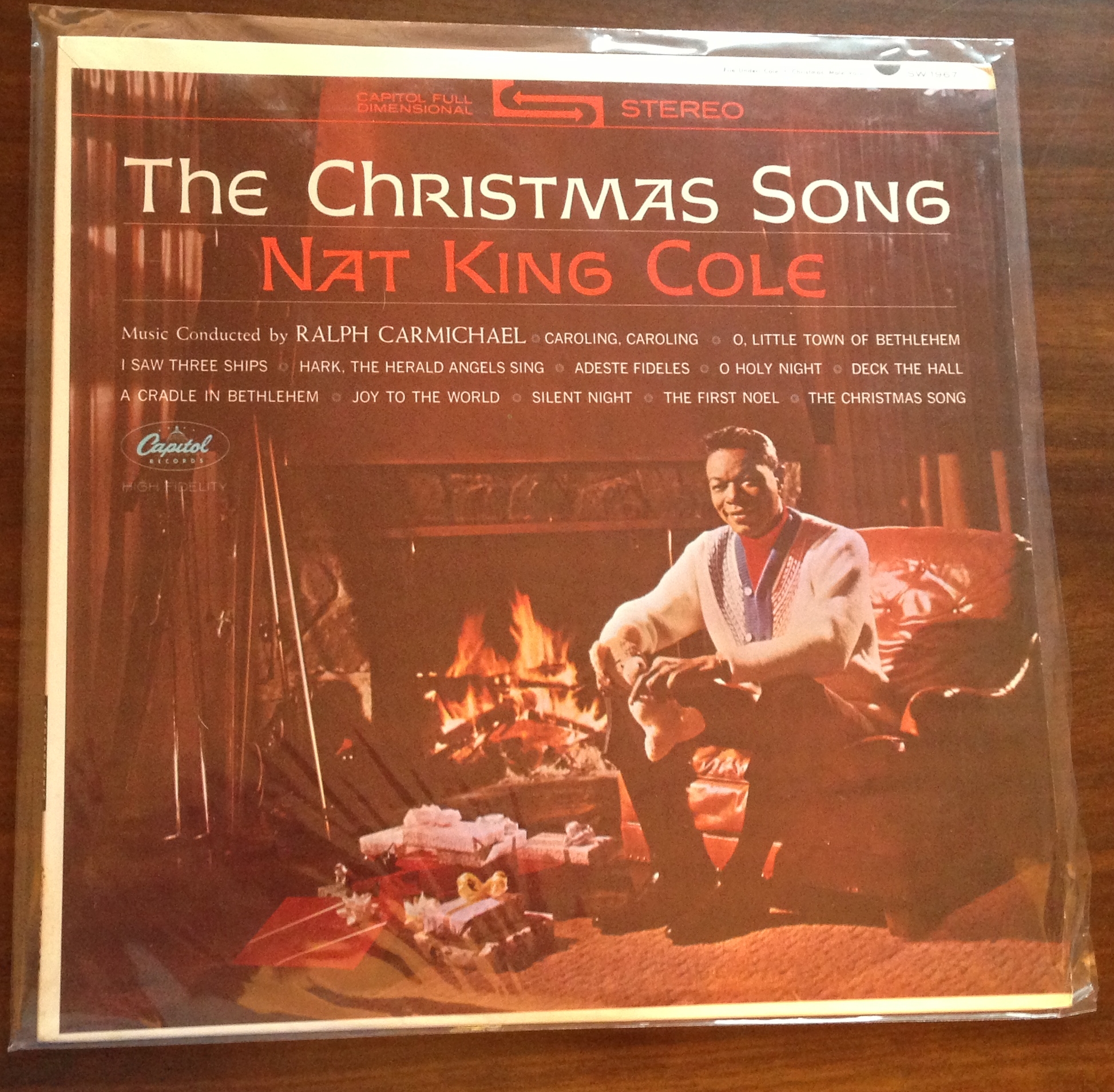
In 2010, I reported on Don Pendleton’s Copp on Fire.
This week, Randy Johnson (not the baseball player) reviewed it.
Short answer, as though you need a shortened version of two pretty short book reviews: We both liked it.
It’s been a bad season for the local book fairs and Brian J. I missed the one in Clever because I didn’t know when it was (although since I’m a Friend of the Clever Library, I probably got a notification that I discarded). I missed the Christian County Library book sale due to car problems. But I managed to sneak off to the Friends of the Springfield-Greene County Library book sale yesterday.
Strangely, this one is at the upper limit of my size preference. There’s a lot to look at, and it would take hours to browse all the tables. So I headed to the LPs and went around the Classics and local books sections of the $1 books.
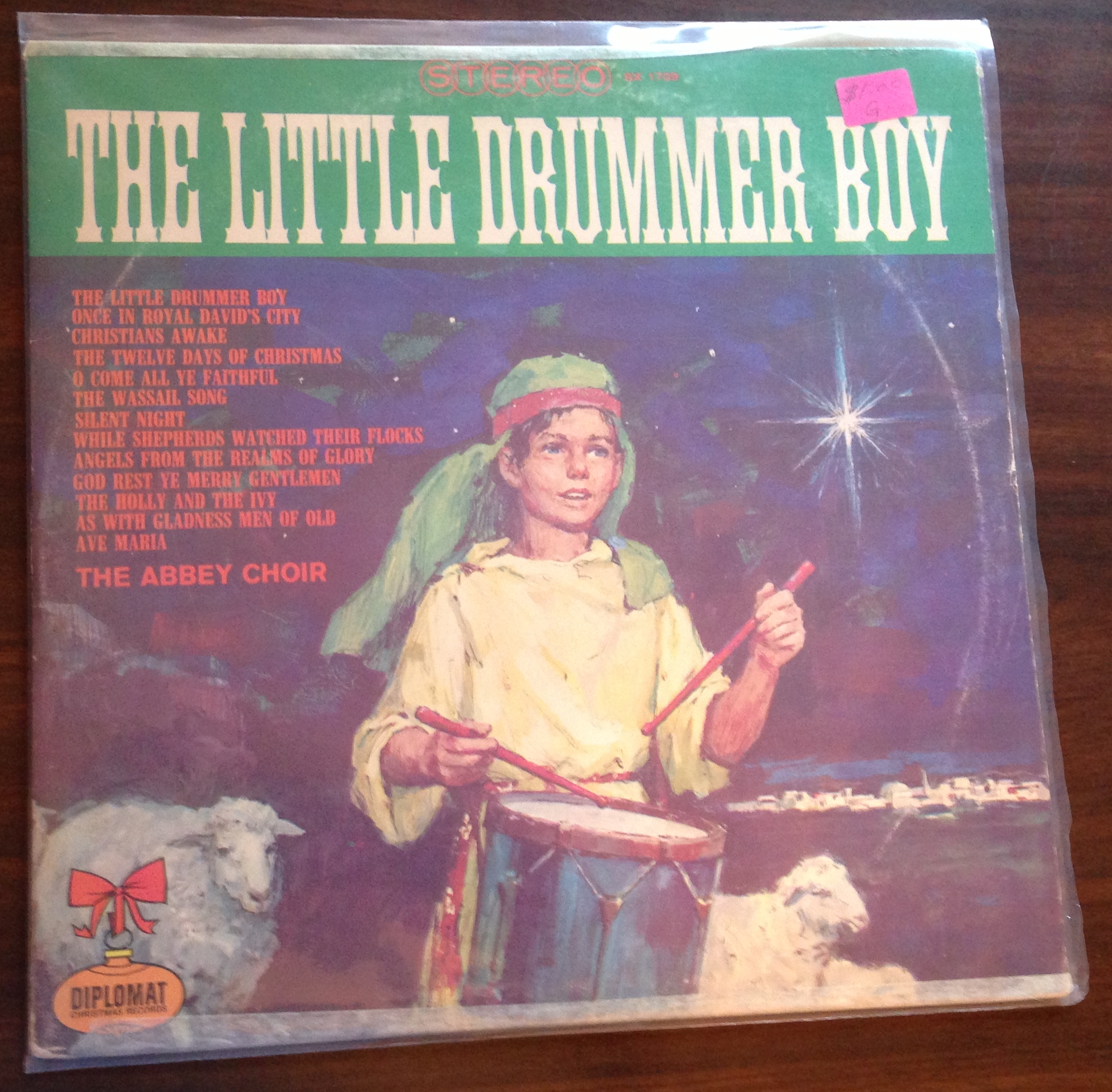
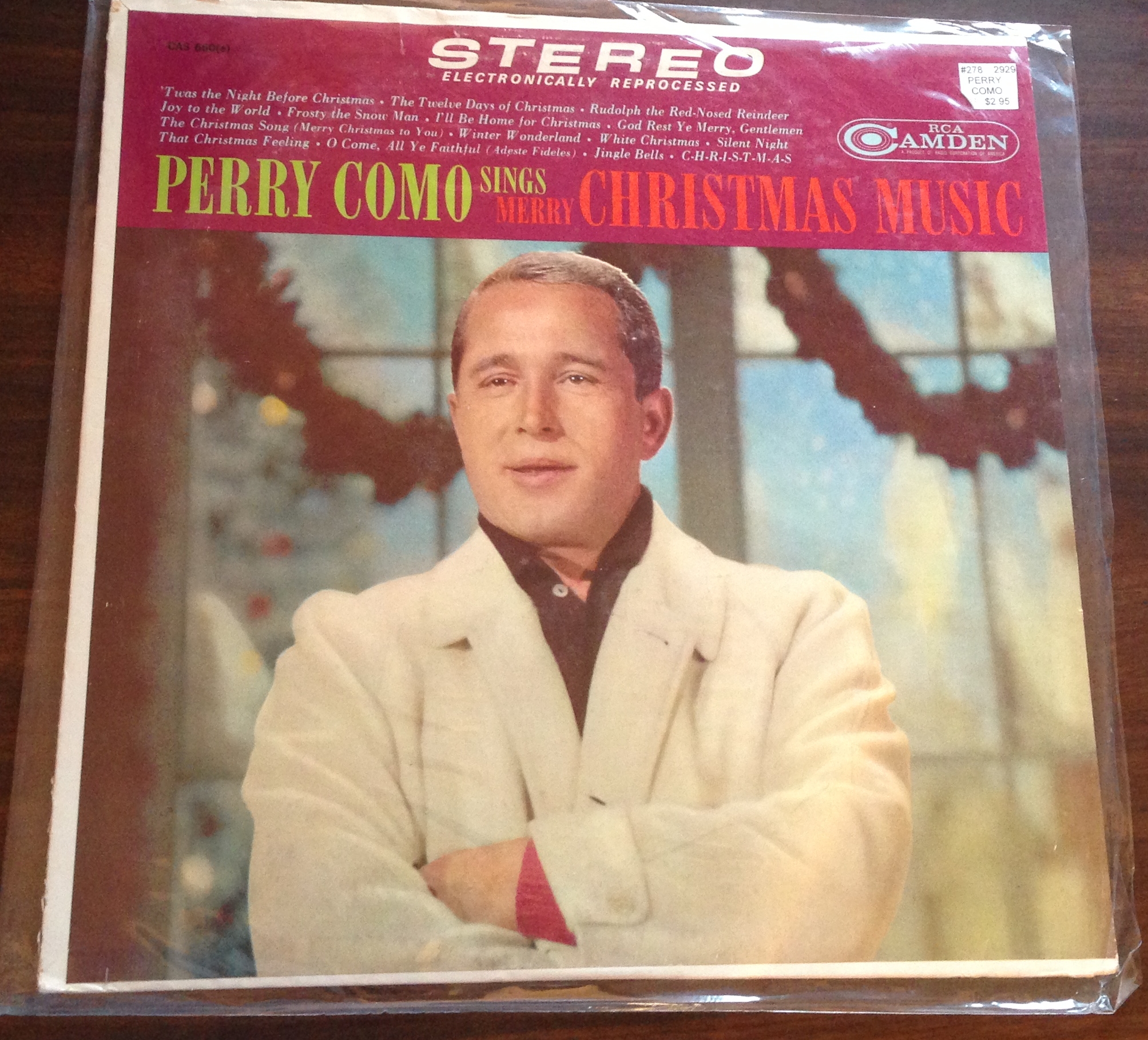
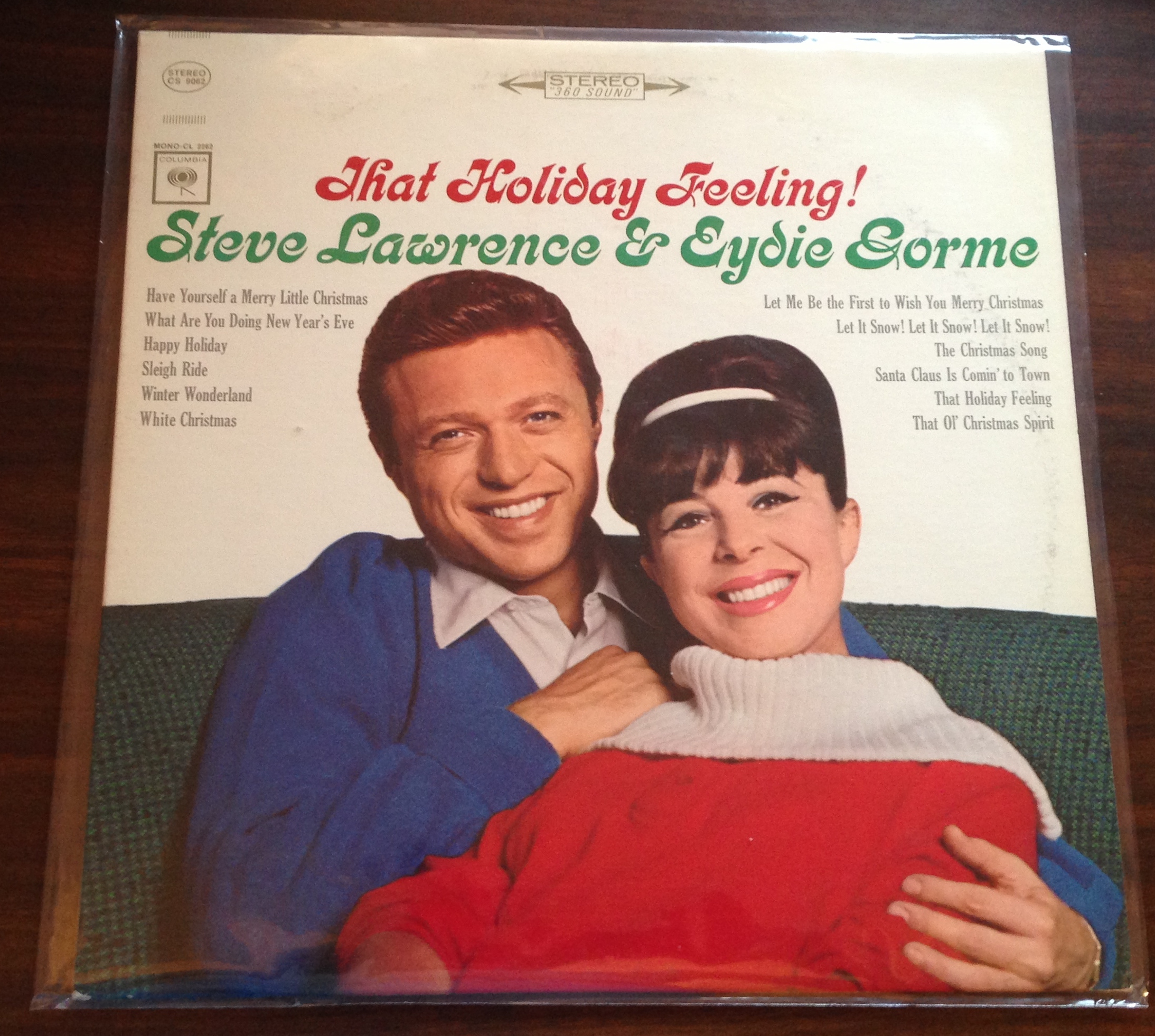
Here’s what I got:
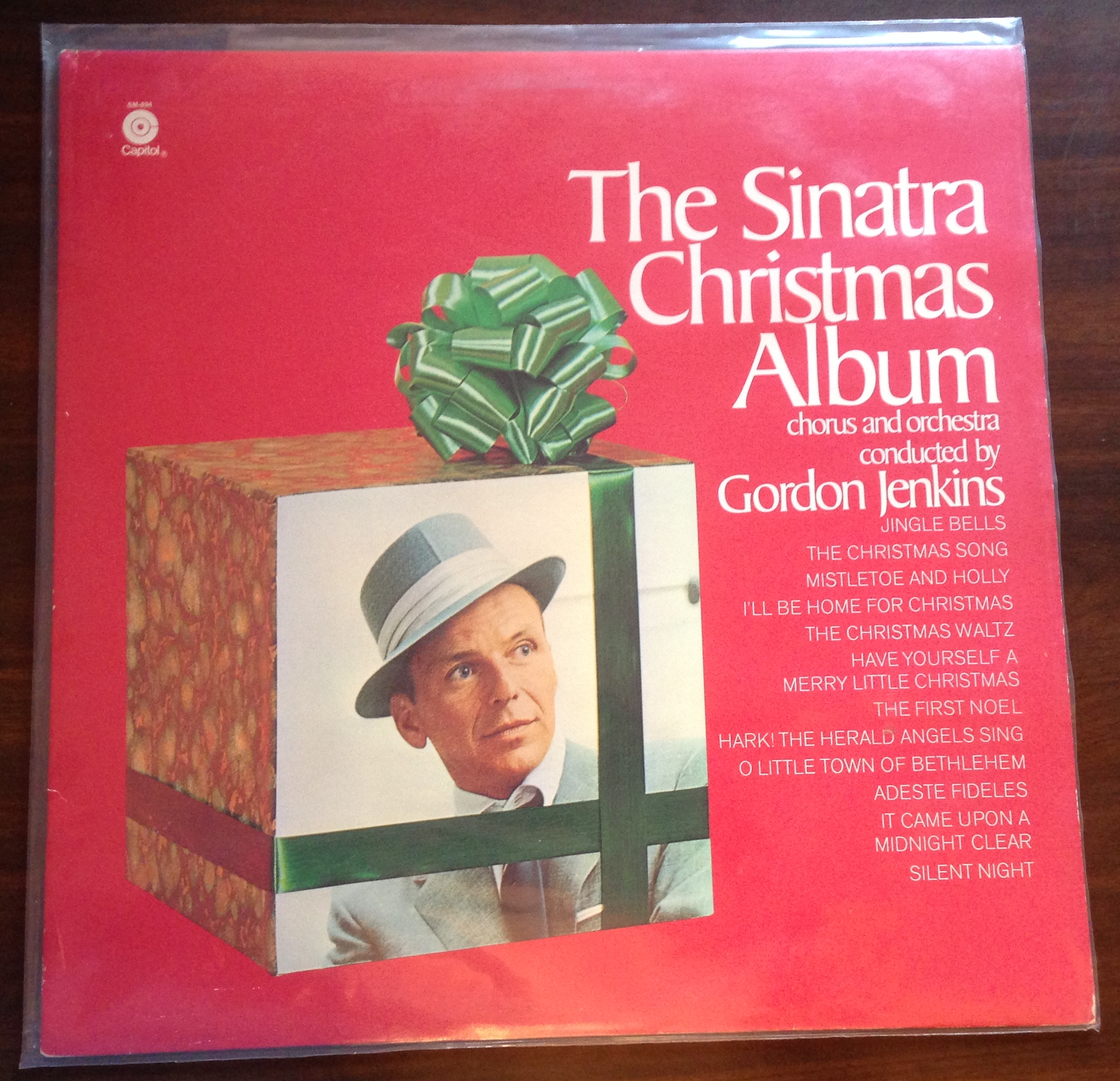
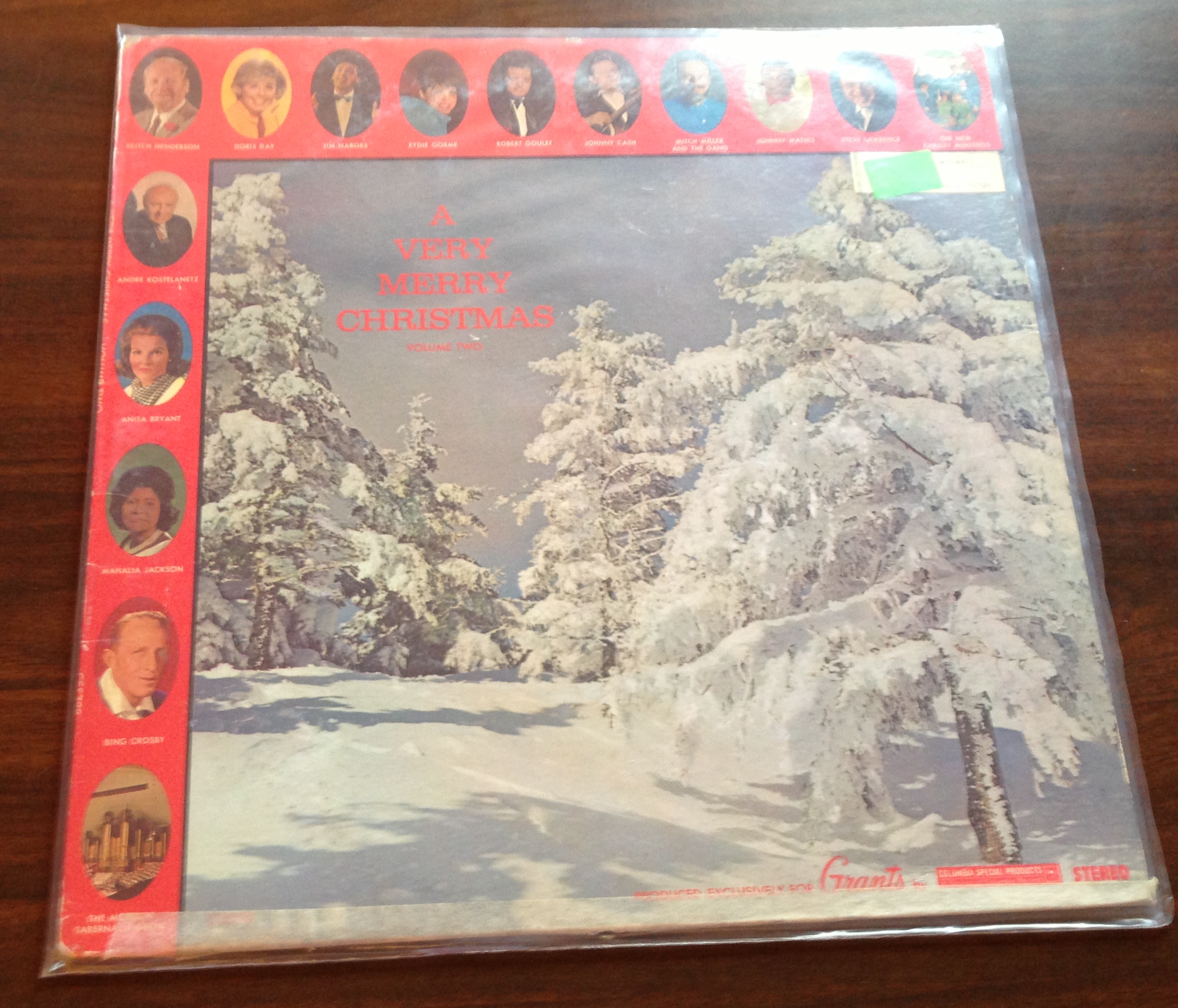
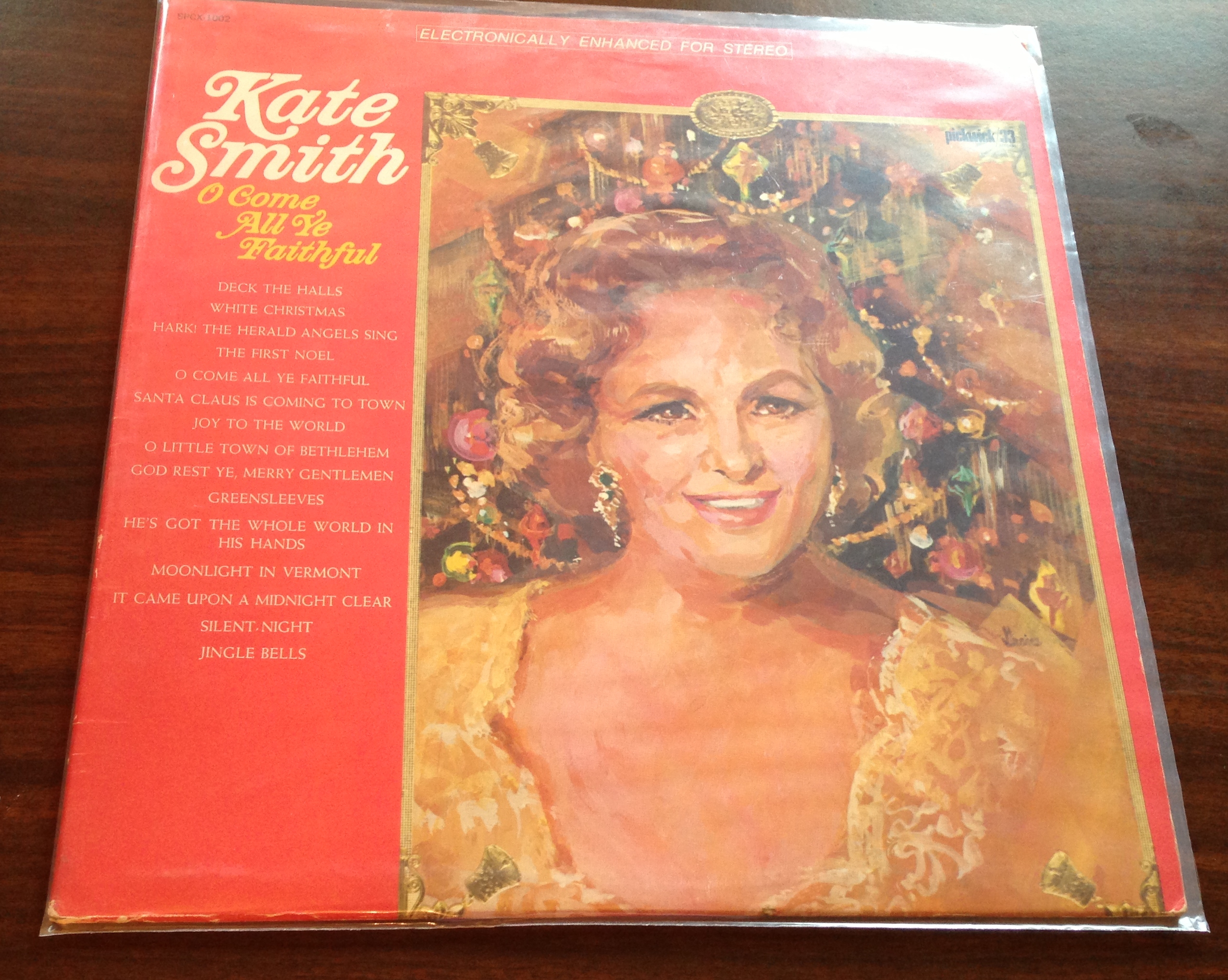
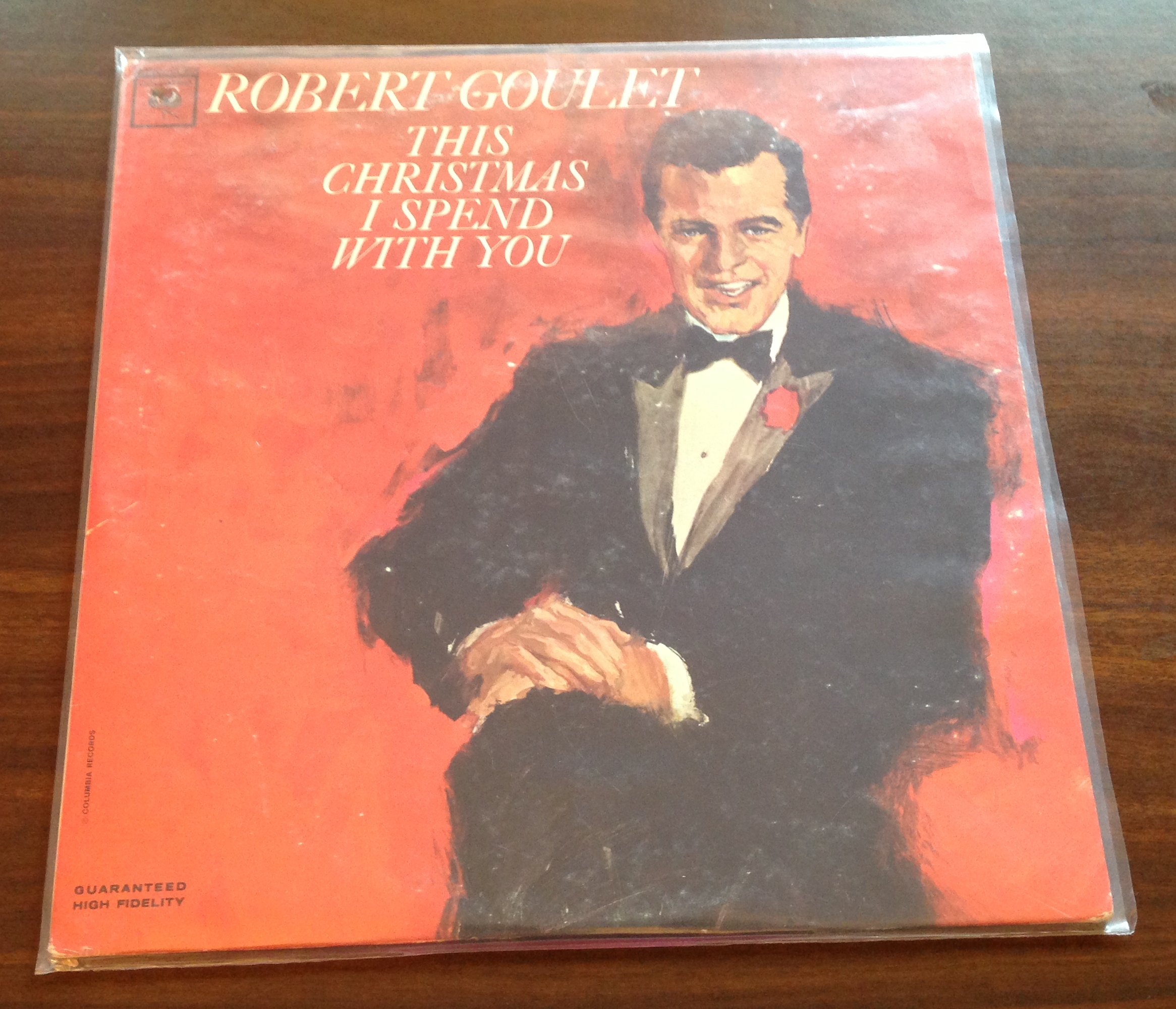
I got 23 LPs, including:
And I got a boxed set of Bach’s Mass in D Minor.
I don’t mind throwing a dollar for an album by someone I don’t know; many of these, I’ll only listen to once and then only sporadically. However, I might find something I like and will not only listen to over and over again, but I’ll keep an eye out for other records (and other music formats) in the future. It explains why I have a pile of Eydie Gorme and Herb Alpert CDs and records.
At any rate, I didn’t let you down: I did buy some books, including:
I don’t know if I’ll make it back tomorrow (Saturday, half price day). It’s not like I need more books, and this particular sale is more important to me for the LPs these days anyway.
I picked up this book because it was sure to be more weighty than the other things I’ve been reading recently, and so it was.
The book is a short novel told in flashback by a reliable narrator. The first person narrator is a former Parisian lawyer who now haunts a bar called Mexico City in the red light district of Amsterdam. The narrator talks to a new visitor to the bar and, over the course of a number of nights and trips around Amsterdam, tells his story: He was a successful, had many mistresses, was respected, and demonstrated philanthropy until a single event called him to question himself, at which time he no longer felt the success he wanted to be and tried to show he was. He eventually ends up in this bar, telling his stories to try to knock other successful people off of their game as well.
Of course, the story told in flashback by an unreliable narrator makes it easy to dismiss his stories, but the book does illustrate a certain tension between a Dale Carnegie outlook and that of the Existentialist. That is, a Dale Carnegie self builds itself into greatness and might find happiness by striving to be better and experiencing setbacks, whereas the Existentialist might be going along all right until something triggers the Existentialism, the sense that the creation of the self is hypocrisy. I’m being a bit twee here, but I’m identifying two types of self-conscious personality types, people who think about who they want to be and either try to be it or do not. Of course, another personality type that is not so self-conscious exists and just does what it does, whether it’s Randian Triumph or Moochery or just people who go through their lives doing their things. Maybe I’m philosophizing a little glibly here and broadly talking about types of people who do not exist.
At any rate, it does show the defeatist Existential response to resistance in self-definition. Given the nature of the narrator, it’s not a ringing endorsement of this point of view, but it’s not an indictment of it, either. More of a description.
One can’t help compare this book to Jean-Paul Sartre’s Nausea; in that book, a historian eventually has his Existentialist trigger moment, but it’s just thought-based, whereas in The Fall, it is the narrator’s reaction to an event (or events) that triggers his pessimism. Ergo, it’s a much more approachable and true-to-life book. Of course, it’s been twenty years since I read Nausea, so I might be describing my experienced flavor of it instead of the book itself, so your mileage may vary.
At any rate, it’s a short little novel, as the Existentialists were wont, and it does give one some things to think about regarding consciousness, our self-images, and their relationships to the world. Which is never a bad thing, unless one goes the full Existentialist and starts feeling the need to compliment Sartre.
Books mentioned in this review:
Back in the 1980s, which is well nigh 30 years ago, and since it’s before the Internet it might as well prehistoric, we would buy computer magazines with programs in them. And we’d type them in.
You see, storage for computers at the time was strange; you could have a floppy drive, you might have a cassette recorder where you recorded stuff to tape in audio beeps and boops that you could load back into the computer by playing the cassette, or you might not have any storage at all and your computer’s memory might go blank when you turned it off.
Oh, those were heady days. You could buy games and whatnot on disk or cartridge, but you could also buy a magazine with a bunch of programs in it and type them in yourself.
You see, we had no Internet back then. Heck, in the middle of the 1980s, we didn’t even have cable television down the gravel road I lived on. So there was a lot of time to type these things in, try to run them, and then hunt for typos. When you were done, you had something rudimentary that you would play once or twice and then stick on a disk and never play it again.
The magazines had their little helper programs, too, to help you with the program typing. Most had some sort of automatic checker program; you’d type in (and then save and load as needed). You’d then run that program and type the lines of the BASIC programs in the magazine within the helper program, and a little checksum would indicate if the line was horribly awry. Or they’d have a little BASIC program for loading machine language programs, so you could spend hours typing something like the above into the computer and (hopefully) have something interesting on the other end.
Man, I sure did have a lot of time on my hands as a young man, but I had no job, no where to go, no cable, a party line that prevented dial-up computer access, and a Commodore 128.
Now, as an old man, I still have those magazines stashed where I can get them quickly as well as a number of Commodores I could hook up to run the programs. As to the programs themselves, the ones I wanted to type in back in the day are still on their floppies with the C64s. If I had just a fraction of the time I had in my youth, I would dig them out to play with them again.
With this book, I decide I don’t like Ace Atkins’ books very much.
This is one in his Nick Travers line of books. Travers is a former New Orleans Saints linebacker who becomes a college professor, one who teaches only a class or two and spends most of his time researching blues music and interviewing old blues musicians. And doing favors for friends, favors of an investigative nature. Also, he becomes a bar owner during the course of the book and begins rehabbing/resuscitating his favorite blues bar. Also, he’s seeing a woman in Mississippi, but he spends a lot of time in New Orleans away from her, especially while on this case.
A fellow former football player, now a rap record mogul, turns to Nick when the new fifteen-year-old sensation is ripped off and when the rap mogul needs to come up with a large amount of cash to satisfy a loan from another rap mogul. So Travers looks into it amidst the other series business.
This book include the flaws I didn’t care for in The Lost Ones and Cheap Shot. Chief amongst them is how much of the book is spent on the series business and not on the efforts of Travers to solve the problem at hand. He gets a dog. He meets with his girlfriend, but she does not serve as a philosophical foil a la Spenser’s Susan Silverman. He kind of tries to mentor the fifteen-year-old by taking him to a friend’s farm, where he’s expected to do manual work to find himself (compare to Robert B. Parker’s Early Autumn). He gets ownership of a bar and works on it with friends; its opening serves as the triumphant end book. Most of these things do not apply to the actual plot of the book.
A good book, and a good series book, works the plot first and then a little bit of series growth and movement as the plot unfolds. In this book and others in Atkins ones I have read recently, the overarching movement of the series occurs at the same time and independently of the actual individual book’s plot. I’m not sure you even saw that in the late Parker as starkly as you see it here. Perhaps it’s the 21st century way–I don’t read that many modern series, as you know.
Also, this book offers three points of view: The first person of Nick Travers; a third person limited omniscient focus on one of the bad guys in scenes to show us how bad he is; and the first person of the fifteen-year-old. The perspective of the fifteen-year-old and all the scenes there only give us the flavor of his perspective and don’t advance the plot. The third person of the bad guy only serves to show us how bad he is. Well, okay, they show a little of relationships that prove important to the plot, but the scenes aren’t really necessary to show the relationships. They don’t even really humanize the bad guy or add depth to him; they just illustrate he’s a bad guy. And he’s just a level boss, not the big bad guy..
I’m not sure whether these extra scenes and extra points-of-view merely padd the book up to hardback size or if they’re intended as what my fiction professor told our workshop were nice little moments. But they slow the book down quite a bit.
Additionally, the book is built out of short chapters jumping around amongst the points of view and into and out of the plot. This doesn’t suit my current reading style, which is just a brief twenty or thirty minute session at night before bed. I found myself having to re-read preceding chapters to ensure that I hadn’t forgotten something out of left field that I’d read the night before. With a more linear book, I can recap by simply finding my place in the book.
At any rate, I only picked this book up because I dropped by the library when I was going to have an hour available for reading and nothing to read on hand. Unfortunately, I didn’t find a short history summary book and ended up with this book. Next time, I will try harder. Or make sure I’ve got a paperback in reach at all times.
Books mentioned in this review:
I’m pretty sure I have seen more rainbows in my five years at Nogglestead than I did in my life to that point.

I’ve mentioned before, or at least I think I have, that out in the country, you really see how the sunrise and sunset move north and south on the horizon during the seasons. Here, I know where to look for rainbows, too, because they display in the same place.
I’m sure there are motivational poster worth bits of life lessons here. That living in the country might alter your perceptions because you have distant horizons instead of buildings across the street and such. Unfortunately, these truths can be rendered twee in the repeating and the phrasing. One must experience for one’s self to get the meaning.