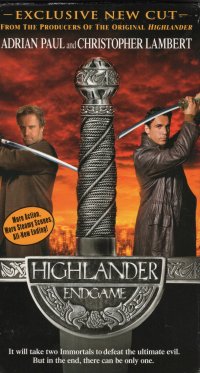
 You know, gentle reader, this might have been the first time I’ve seen this film. I mean, I have within recent memory gone through my videocassette collection of Highlander movies, and then I bought them again on videocassette to make sure I had them all (and have seen Highlander, Highlander 2: The Quickening, and Highlander: The Final Dimension again within the last year, roughly). But, as to the fourth film: I know I’d seen a Christopher Lambert/Adrian Paul movie in that penultimate run-through of the films, but I am not sure it was this movie. I think it might have been the pilot for the television show which originally passed the baton between Lambert and Paul.
At any rate, this film came out after the television series wrapped, and it looks as though there’ve been a number of other spinoffs since, including another series and an animated series not to mention comic books and novels (see my report on Highlander: The Element of Fire from twenty years ago, only ten years after the book was published, which is now, doing the math–thirty years ago?).
This film starts with Duncan MacLeod and Connor MacLeod meeting–apparently, Connor called for Duncan, but when they meet in New York, coming up from the subway, Connor is distant and promises to meet him later. But as Connor is coming to his antique shop, it explodes with a loved one inside, and a man with three crosses on his shoes walks away.
Years later, a group of immortals attacks the Sanctuary–a place where immortals can go and be drugged, kept out of the Game and dreaming (at their own request and as part of a plan from certain Watchers to always have one immortal on ice to keep any one from reaching The Prize). But Connor MacLeod, who was at the Sanctuary, was set free to hear the others killed.
The film includes numerous flashbacks to both Scotland and Connor’s wife Heather and to a time when Duncan married a woman whom he knew to be immortal but she did not know it. On their wedding night, after the customary several minute sex scene over 80s sensuous music, he stabs her to prove it to her–when she awakens, healed in bloody garb, she wanders into the night, and he has lost the love of all lifetimes.
Meanwhile, we learn that the big bad guy is a friend of Connor’s from Scotland, a man of God who participated in burning Connor’s mother at stake for not denouncing him (Connor) as a demon. Connor kills the man’s mentor, also a priest, in the height of battle or perhaps as vengeance, and the big bad Kell (also a K name, like the Kurgan, General Katana, and Kane) has been killing Connor’s loved ones for centuries, all the while with three crosses on the backs of his shoes. He has assembled a team of immortals, somehow, to help him, including Duncan’s wife.
Oh, and Jing Ke. When we first meet the team of immortals, Duncan recognizes Jing Ke, who serve the emperor Qin, and he calls him a man of honor. I know it’s not a comedy, but I laughed, because I have some knowledge of Chinese history not gleaned from…. well, I’m not sure where the writers of this film got their knowledge, but Jing Ke “served” the first relatively modern emperor of China by trying to kill him. So. Well, one does not come to Highlander movies for history.
At any rate, some chop/chop and fight scenes. One of the Watchers (mythos from the television series, I gather) says that Connor (2000+ immortal kills) and Duncan (1000+ immortal kills) will have their hands full with Kell (661 immortal kills). I’m not as good as math as I am at history, but, wait, wut? So Connor determines that only by killing Duncan and gathering his, um, Gathering or vice versa, can one of them defeat Kell. Kell goes on to kill the members of his team (probably 5 of them to bring his total to 666–get it?). And then, chop, chop in a standard random industrial facility with steel steps and catwalks and steam and sparks, finis!
Except! Although we were led to believe that Duncan’s wife was part of the race to 666, she lives, and he meets her at the end to try to reconcile with her, or to begin again (or until next time).
My youngest, returning to non-electronics sabbatical, wandered into the film about 45 minutes in and asked what was going on. Well. How to explain the entire mythos of Highlander including the series? I didn’t bother and let him pick it up as he went, and he got the basics pretty quickly. At the end of the film, he said they couldn’t make another since it wrapped everything up. Well, they could just ignore the other movies which was standard policy for the first two sequels after Highlander wrapped everything up. But the television show added a bunch of complexities, and immortals seem to have been born fairly regularly in the past, so I guess they could make a sequel where an immortal has gathered the prize, but another immortal is born so he has to go all King Herod and try to decapitate a baby. Or something.
At any rate, I think the way the film dismissed Connor MacLeod was a bit sad. He is a broken man, haunted by memories of his first wife (the flashbacks do not include much of Brenda or any of the other women he romanced in the series). I have to wonder how much old footage they had in the can from the first film that they could trot out as new for this one. But he basically loses his will to live and decides that he must fight Duncan so that the victor can be powerful enough to defeat Kell–although I’m not sure why this was the case. So the predilection to piss on established heroes to pass the IP onto the next generation is not a new thing. We just forget so much.
At any rate, a definite film in the series which adheres to its framework. But it’s entirely possible I will forget having seen it, especially if I already have.

 On an evening where my youngest was on an involuntary sabbatical from electronic devices, he joined me for a movie night, and I pulled this videocassette out. Actually, as I’ve mentioned, I’ve been going through the Nogglestead to-see library of unrewound videocassettes and popped them in with the television off to let them run to the end and fully rewind. So the Nogglestead to-see library has a lot of videocassettes atop it in unrewound or rewound states, so we’re watching lots of videocassettes these days. Which is good: We have lots of videocassettes to watch. And with the Friends of the Library Spring Book Sale looming, the number is likely to grow.
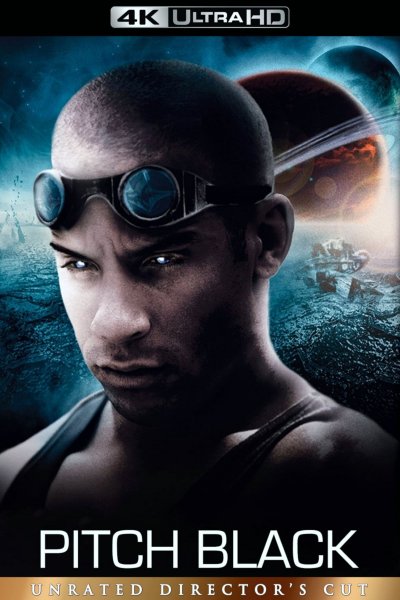
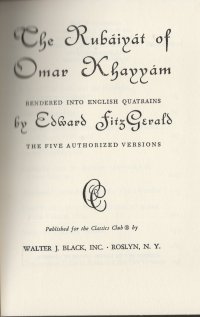 Gentle reader, I picked up this book to consider it for the
 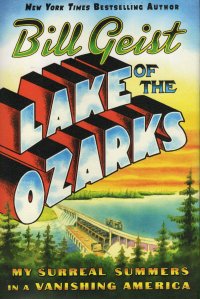 Gentle reader, I cannot find this book in a Good Book Hunting post, and I apologize as I know you, like I, relish the chance to revisit when and where I bought a particular book in the last 20 years. Now, as this is a 2019 book, clearly I did not buy the book before starting the Good Book Hunting posts. As it is in very nice shape and has no penciled prices in it, I have to guess I bought this new, perhaps as part of spending Christmas gift card or picked up while picking up Christmas gift cards. It has all the marks (figurative) of browsing the local interest section of the book store. Or perhaps I am a kleptomaniac who stoled it and don’t remember doing so.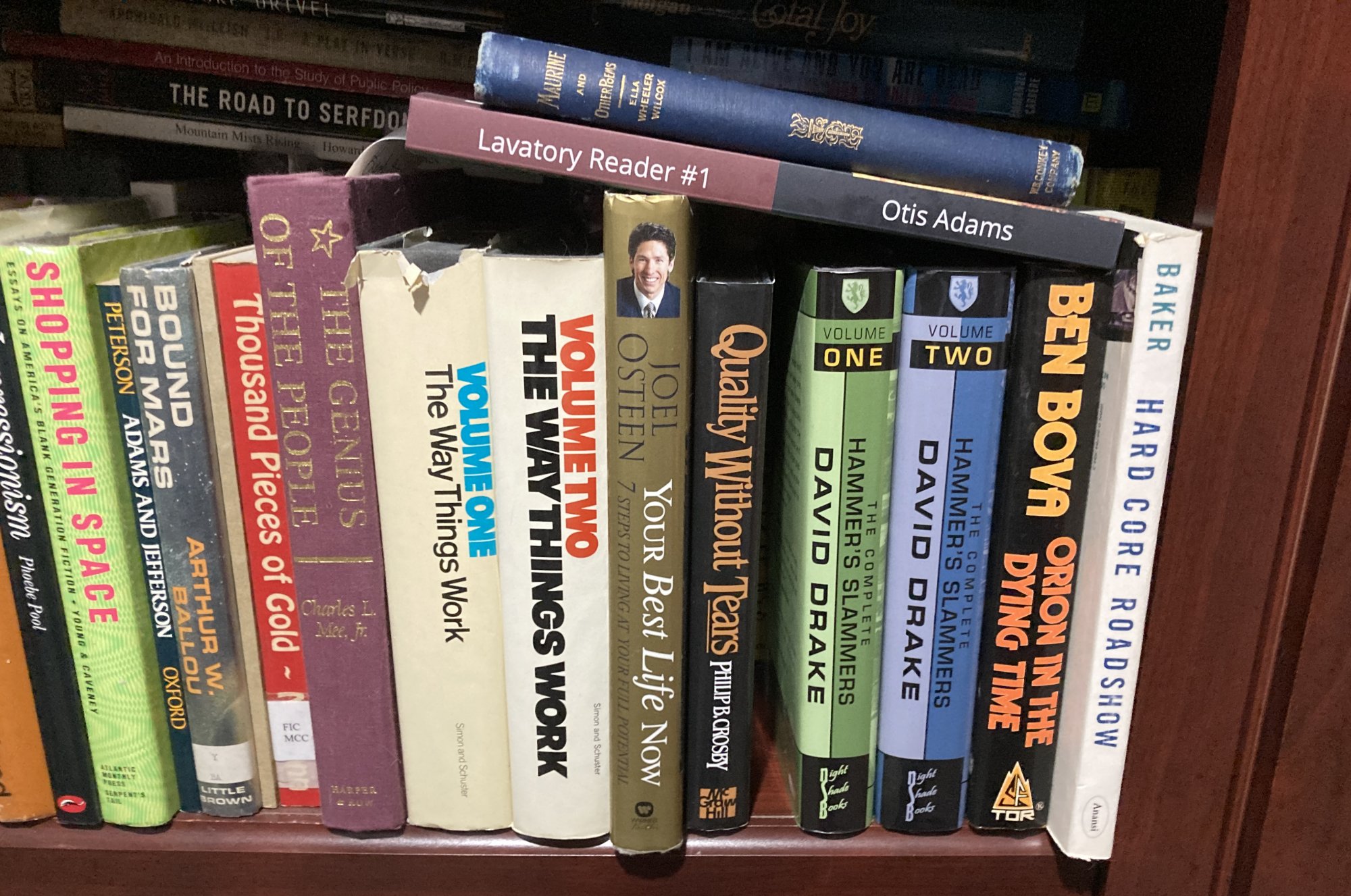
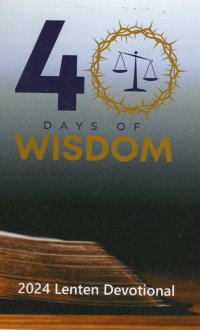 For the past several years, the church I attend has put together a Lent (and maybe Advent) devotion book written by members of the congregation. Full disclosure: My beautiful wife contributed three devotions this year. This is the first time I picked up a copy and went through it, not day-by-day but in spurts where I would read several days’ worth to catch up, read the day’s, and then read a couple of days ahead. To be honest, I am not the target market for devotionals, although I have given several as Christmas gifts–my mother-in-law reads several daily, including one that I have her several years ago that she re-reads every year.
 Ah, gentle reader. I read Douglas’s Home for Christmas in
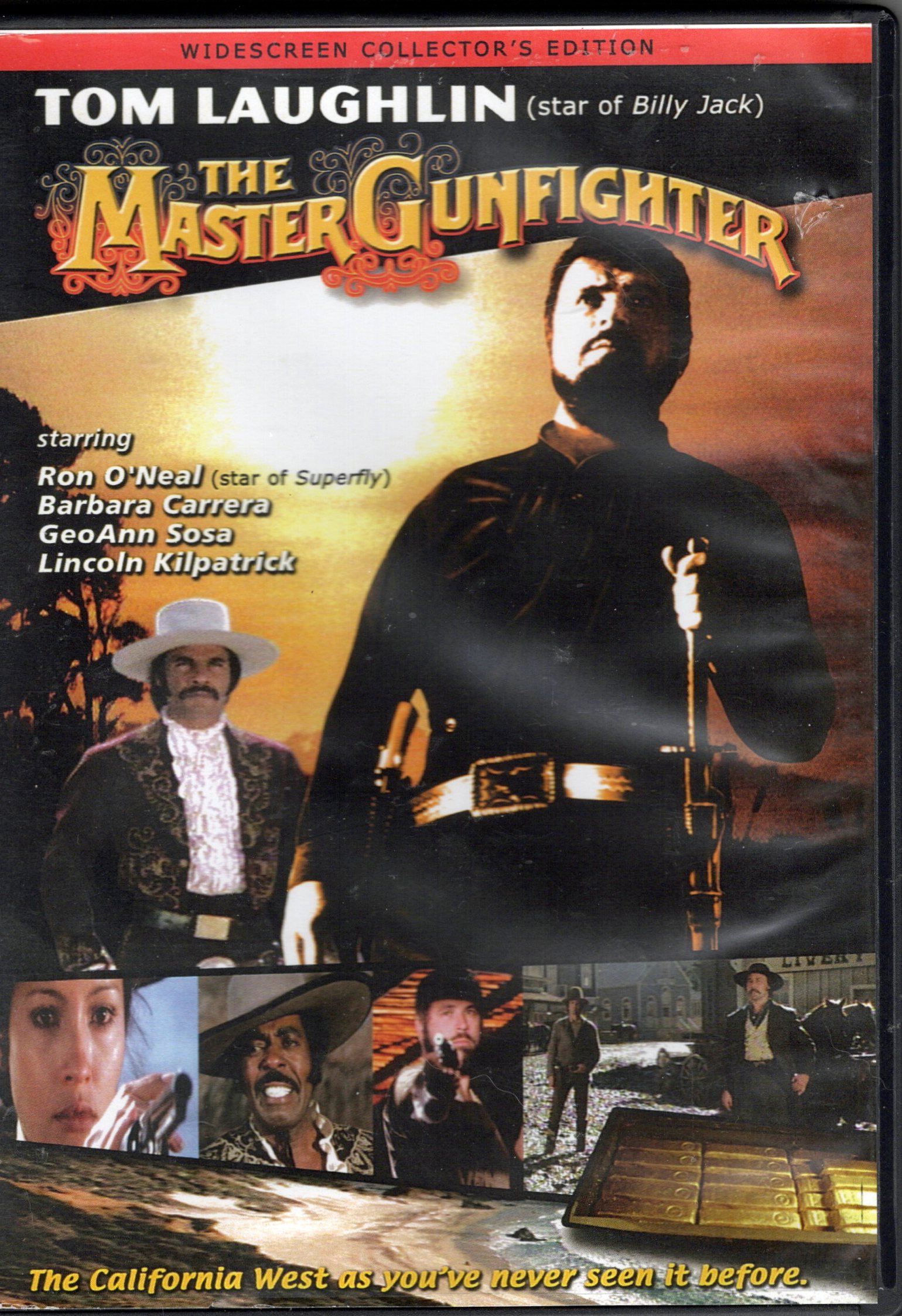 Gentle reader, when I watched the 1993 anime film
 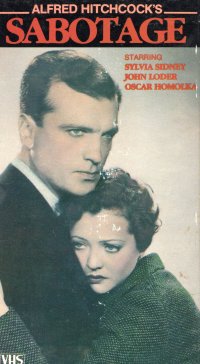 Oh, but no, gentle reader. Next, after
 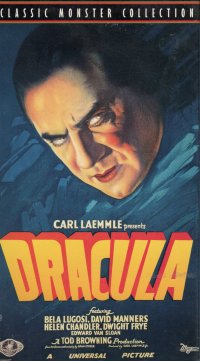 After my recent spate of cartoons and cartoonish films (interspersed with a romantic comedy), I decided to watch a serious piece of film.