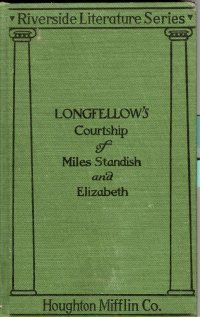
 I got this book as part of a book order back when ABC Books and everything else was in a timeout in 2020. I’ve picked up a number of similar editions and have grouped them together, so maybe I’ll be reading elementary school textbook poetry a bunch this year.
So: This book collects a number of Longfellow’s poems, including “The Courtship of Miles Standish”, “Elizabeth”, and some shorter ones. In “The Courtship of Miles Standish”, the military captain of the struggling Plymouth colony loses his wife in the first winter and asks his friend John Alden to ask Priscilla for her hand in marriage–but John and Priscilla already have eyes for each other.
In “Elizabeth”, a settler is taken with a travelling preacher, and he returns her affection. The poem includes a bit of a parallel between the maidservant and the hired man.
“Enceladus”, which I read like James Hetfield singing it. I mean, can’t you see Lovecraft taking some inspiration from this?
Under Mount Etna he lies,
It is slumber, it is not death;
For he struggles at times to arise,
And above him the lurid skies
Are hot with his fiery breath.
And:
They talk together and say,
“To-morrow, perhaps to-day,
Euceladus will arise!
And the old gods, the austere
Oppressors in their strength,
Stand aghast and white with fear
At the ominous sounds they hear,
And tremble, and mutter, “At length!”
The other short poems include the standard landscapes and a paean to John Greenlead Whittier delivered during a dinner in the latter’s honor. I remark on this because I was just telling my wife about how I confuse him with James Whitcomb Riley. I was talking about Whittier because “Elizabeth” comes from a collection of poetical stories told by travellers thrown together at an inn (Tales of a Wayside Inn) much like The Canterbury Tales by Chaucer or Tent on the Beach by Whittier (or is it Riley?) which I started in one of these early 20th century editions but put aside.
So, yeah, one can draw a pretty direct line from Chaucer and Shakespeare to Longfellow. He draws from real sources for his stories and writes of events from hundreds of years prior for his narratives. His poetry style is breezy, hexameter with some end rhymes (I know, “Enceladus” above does, but “The Courtship of Miles Standish” and “Elizabeth”, also known as “The Theologian’s Tale”, do not). The other work bears the influences of the English Romantic movement and probably Whittier (although I have not actually read enough of his work yet to know too much about it).
“The Courtship of Miles Standish” and some of the other poems have footnotes–“The Courtship of Miles Standish” has a bunch of them, taking up half of some pages, where the editor of this textbook, not the poet, defines some terms, highlights allusions to other work, or identifies historical records which corroborate the narrative. I read many of them and said, “I already know that,” but it is an elementary school textbook (!). One that I read in the middle of “The Courtship of Miles Standish” indicated, for example, that Bradford’s history of Plymouth mentioned Priscilla was a real person who married John Alden and had eleven children with him. Which is to say, the footnote contained a spoiler alert just when the poem was getting good.
The book also has some other educational material, including a short introduction and study helps like ideas for lessons based on the book which I just skimmed.
I enjoyed the book, and I enjoyed The Song of Hiawatha when I read it six years ago (!). As I said, I’ll probably read another couple of the like this year.
And I mentioned it was an elementary textbook almost 100 years ago. Here’s the little girl’s name:
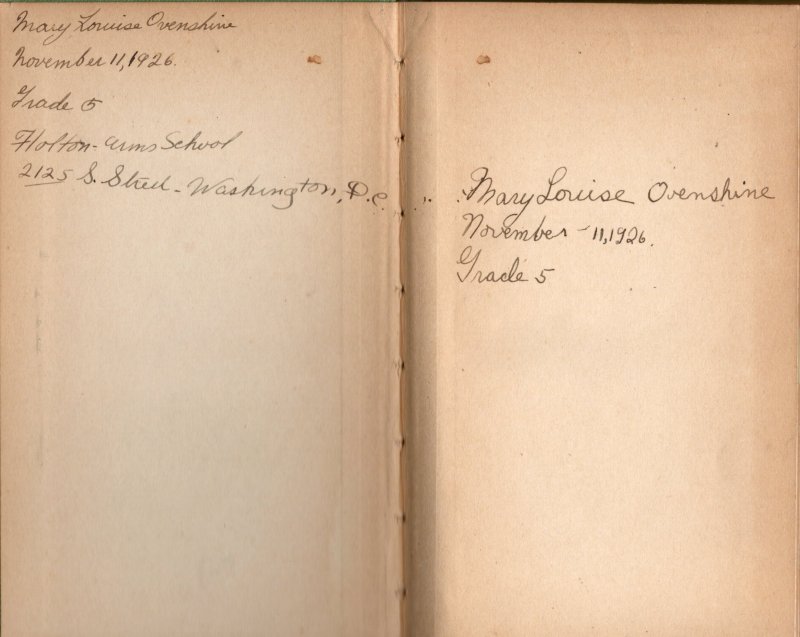
I found the obituary for that little girl, who died at 90 in 2007. You know, a lot of times books have inscriptions or names in them, but finding this particular obituary made reading the book poignant indeed. After all, I am but a temporary owner of it as well, and I’m not even leaving my mark in the book itself.
 Well, when I said I was done with cartoons

 And my uncle’s Christmas tie lights up for the first time in probably decades.
 When I bought this book
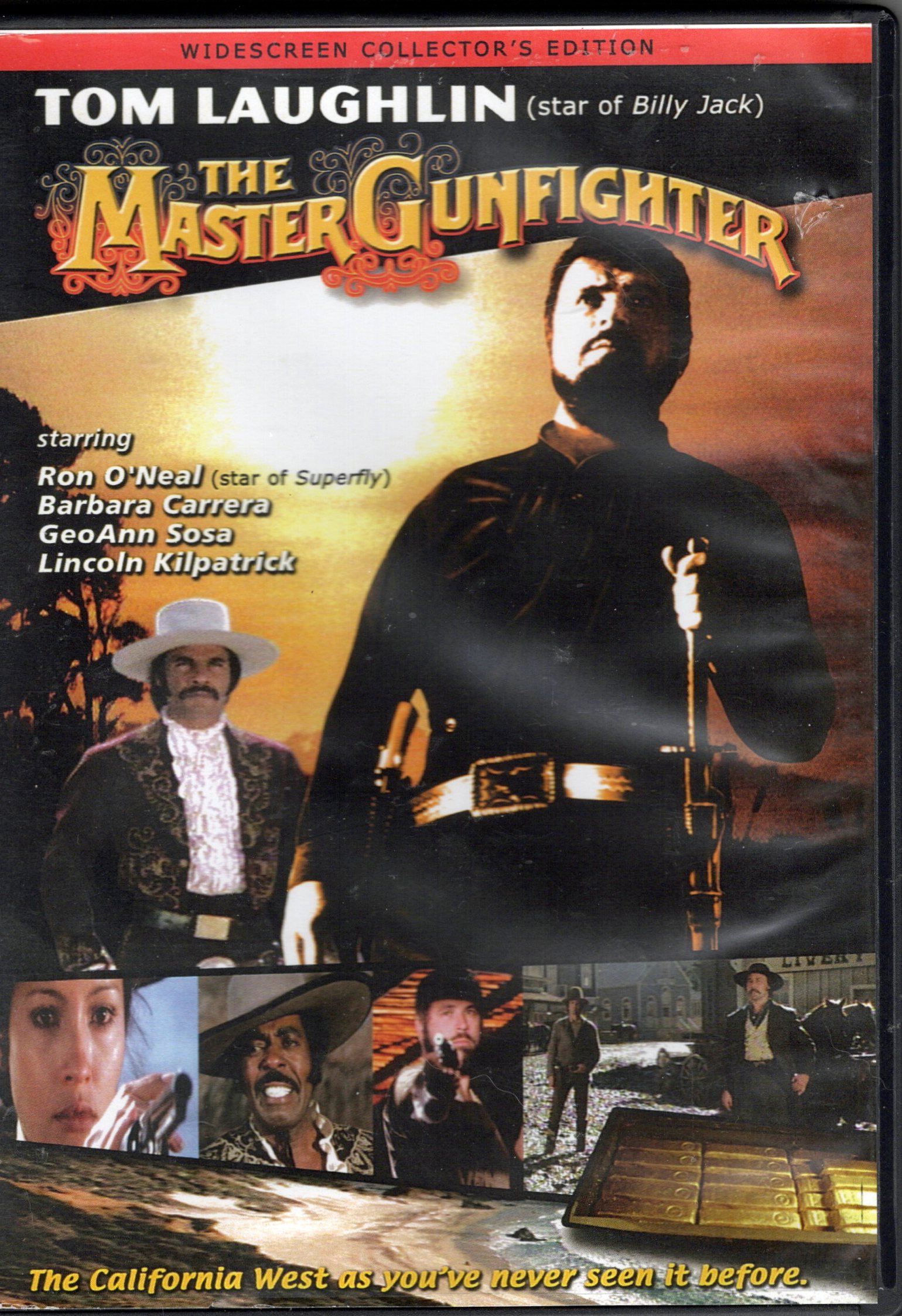
  I got this film
  On an evening where my youngest was on an involuntary sabbatical from electronic devices, he joined me for a movie night, and I pulled this videocassette out. Actually, as I’ve mentioned, I’ve been going through the Nogglestead to-see library of unrewound videocassettes and popped them in with the television off to let them run to the end and fully rewind. So the Nogglestead to-see library has a lot of videocassettes atop it in unrewound or rewound states, so we’re watching lots of videocassettes these days. Which is good: We have lots of videocassettes to watch. And with the Friends of the Library Spring Book Sale looming, the number is likely to grow.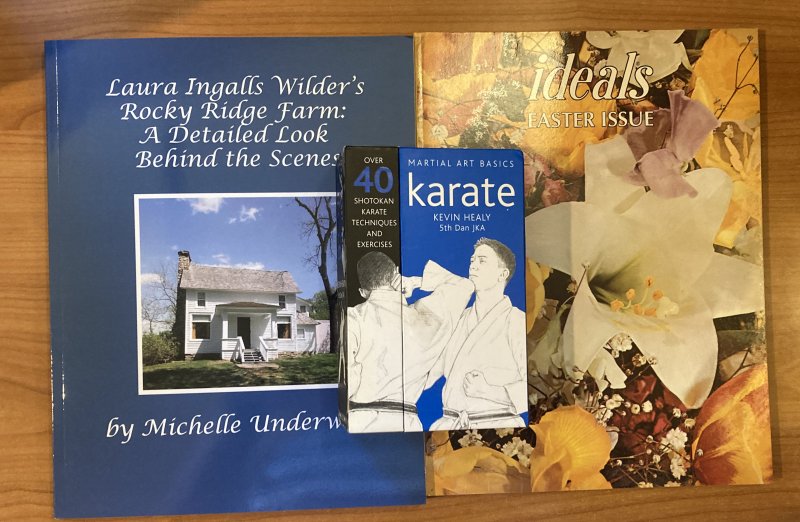

 Gentle reader, I picked up this book to consider it for the
 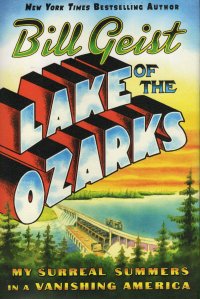 Gentle reader, I cannot find this book in a Good Book Hunting post, and I apologize as I know you, like I, relish the chance to revisit when and where I bought a particular book in the last 20 years. Now, as this is a 2019 book, clearly I did not buy the book before starting the Good Book Hunting posts. As it is in very nice shape and has no penciled prices in it, I have to guess I bought this new, perhaps as part of spending Christmas gift card or picked up while picking up Christmas gift cards. It has all the marks (figurative) of browsing the local interest section of the book store. Or perhaps I am a kleptomaniac who stoled it and don’t remember doing so.
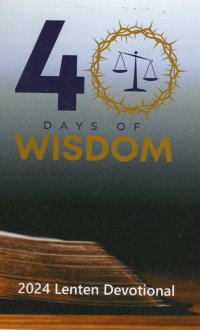 For the past several years, the church I attend has put together a Lent (and maybe Advent) devotion book written by members of the congregation. Full disclosure: My beautiful wife contributed three devotions this year. This is the first time I picked up a copy and went through it, not day-by-day but in spurts where I would read several days’ worth to catch up, read the day’s, and then read a couple of days ahead. To be honest, I am not the target market for devotionals, although I have given several as Christmas gifts–my mother-in-law reads several daily, including one that I have her several years ago that she re-reads every year.
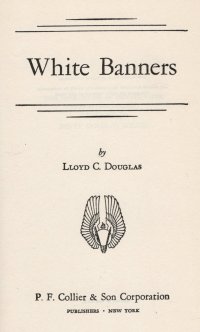 Ah, gentle reader. I read Douglas’s Home for Christmas in
 Gentle reader, when I watched the 1993 anime film