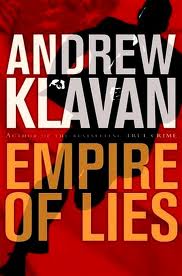
 I think I’ve talked myself into liking the book.
Which wasn’t a slam-dunk, I tell you. Its main character is a Christian formerly into S&M and drugs before his conversion experience. He’s enjoying a nice autumn afternoon with his wife and children in a Midwestern state when his girlfriend from his bad old days calls, and she needs his help. Since he’s got to go to New York City to tend to his mother’s estate, he stops into see the ex-girlfriend some 17 years after their thing and his old life ended. She tells him that his daughter he didn’t know about has run off, and she wants him to find her. When he does, the daughter is whacked out on drugs and bad living and might have seen a murder committed by her terrorist (maybe) boyfriend. And the main character, with much soul-searching, has to get her out and stop a catastrophic attack.
I’ll tell you why I didn’t care for it: For starters, it’s very slow to get rolling. Klavan uses some obvious foreshadowing where the narrator says that this or that particular incident or detail is going to be important. But the beginning of the novel includes an awful lot of navel gazing and exposition before the action takes over. Secondly, the story seems very contrived at the beginning, where the main character feels the need to see his ex-girlfriend after the elapsed time and he wonders why he’s helping her and whether he believes the girl is his daughter and he has to deal with his mother’s death and her descent into schizophrenia at the end and…. Well, it does go on so, and it passes several points where I personally would have abandoned it and the main character continues on only to continue the plot.
Secondly, it gets a little politically polemic at times, and even though it’s politically polemical in ways I agree with, it’s kind of jarring. Almost like an Ayn Rand novel with better dialog. Klavan’s not afraid to pitch this book specifically to the people who by 2008 were reading his blog and watching him on PJTV.
Third, the celebrities depicted within it are too apparently based on actual celebrities. There’s thin representations of Jennifer Aniston, Brad Pitt, and Angelina Jolie, and there’s William Shatner. It’s too obvious that these are the people in the book, thinly veiled, and instead of blending the novel into our world, it breaks up the novel’s internal reality.
However.
The main character is a bit Hamletish in his interior anguish over his decisions (in retrospect, as this double-effect narrator recounts things in the recent past). He’s worried about his descent into schizophrenia like his mother. He bears great, almost debilitating guilt for his former sins and whether his salvation will stick when he’s in his old milieu (and whether he really wants it to). So once I accepted that the narrator might be a little tetched and unreliable (not unlike the narrator of Slaughterhouse Five), I could get over those elements. Eventually, the action rolled and things happened and now the narrator was doing things instead of agonizing over things, and I could understand the interplay of his guilt and the questions of free will, salvation, and redemption presented within the novel.
So it’s okay. I didn’t abandon it like I abandoned the audiobook version of Chasing the Dime by Michael Connelly when I tried that on audiobook (the main character is doing that, why exactly? A phone call to his new number for the person who used to have it? REALLY?), and when I immediately finished it I wasn’t so keen on it, but I thought about it for a bit, and it’s an interesting enough book for me not to pan it.
 This is a short book that collects some outrageous lawsuits and notes their results. They’re grouped by topic, and each features a clever picture of an actor portraying a shady lawyer. Each explanation of the lawsuit is a couple paragraphs. It’s like someone made a book of distilled “That’s Outrageous!” columns from Reader’s Digest and distilled them. It’s like
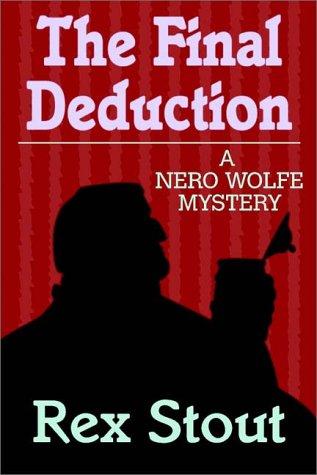 This is the third novel in the Three Aces omnibus edition I’ve been reading for quite some time now. Set in 1961, it deals with a rich woman who comes to Nero Wolfe to help ransom her kidnapped actor husband. Wolfe helps, gets his fee, but the freed husband dies in the family manse and the woman’s children come to Wolfe for help in recovering the ransom money. This leads to complications, including an arrest warrant for Archie Goodwin.
 This book is a similar to
 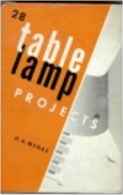 You can easily tell from the title what this book is: it is 28 projects for making table lamps out of wood and lamp kits. It’s a 1950s book, aimed for the high school shop market I think (at least, this particular book came from a high school library). It talks about the different styles within the book, from contemporary to more traditional. Strangely, sixty years later, even the “contemporary” styles are traditional. I mean, how many lamps made of wood have you seen recently?
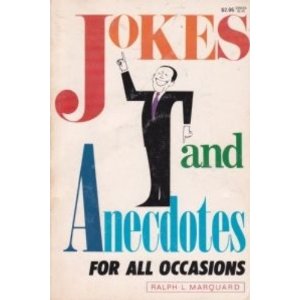 This book says “for all occasions,” but I get the sense from the nature of the gags that most were written for presentation at a Catskills resort in the middle part of the 20th century. Most of the jokes have a Jewish flavor, relying on characters named Moishe, Max, Shmuel, and so on who work in the garment district on Manhattan. Most, but not all. The books aren’t anti-semitic, but poke fun at some of the stereotypes as seen by New York comics.
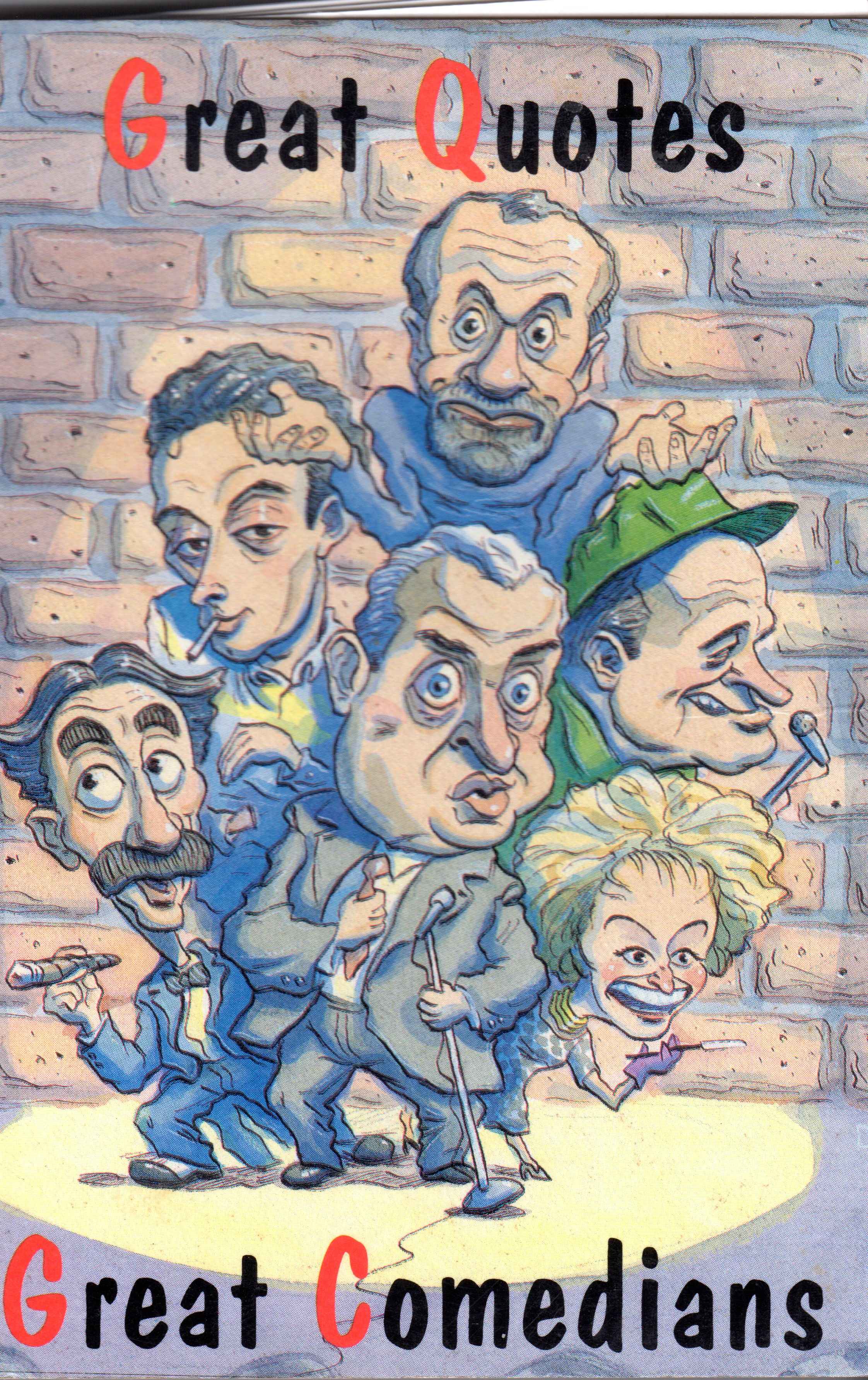 This is a simple book of one liners from famous comedians (circa 1996). The quotations are presented one to a page, and the book itself is comb-bound. So this is not Bartlett’s by any stretch.
 When I mentioned this book when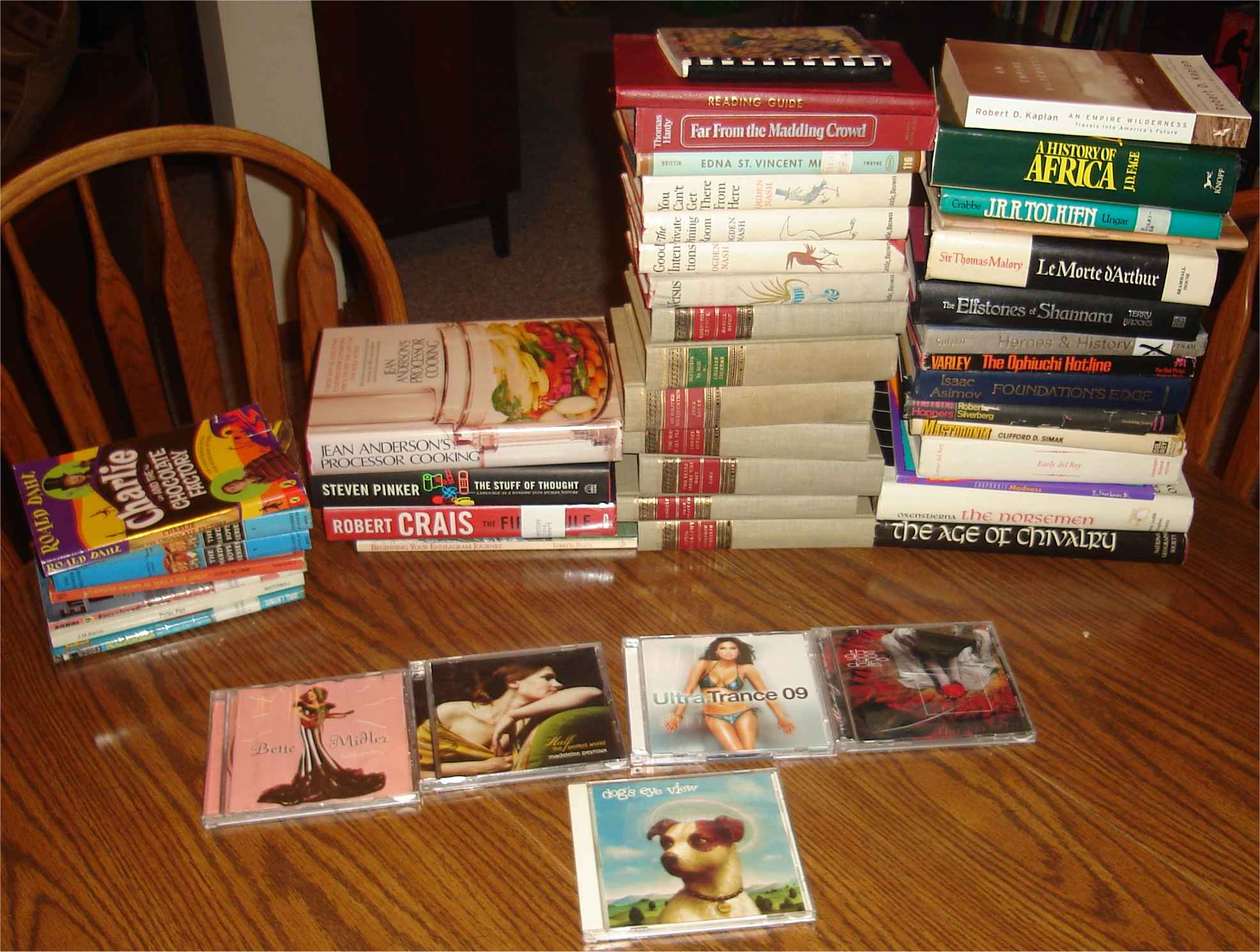
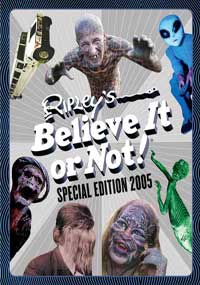 Apropos of nothing, the last book I reviewed was