I said I was going to start reading comic books to make my quota this year. Almost. This is a book of maps and is a just a couple crayons short of being a coloring book.
The maps center on the Mediterranean and each map depicts, in chronological order, different elements and aspects of history, such as the extent of empires and whatnot. It’s a good reference to how the Assyrians rubbed against the Babylonians and whatnot. Emphasis is given to Greek and Roman historical concerns, so you get to see different parts of those periods, including things like where the mints where, what regions produced different products, and what part of the world select individuals hailed from. It’s interesting to me how many of the major writers and thinkers actually hailed from the region we now call Spain.
The other thing that struck me was how small the world was then, at least this portion of them. You know about the Greek city states kinda in your mind, but they’re just names and whatnot until you see them (again) on a map and realize that Athens and Sparta were about 100 miles apart, about the distance between Springfield, Missouri, and Rolla, Missouri, and that Athens and Thebes is half that. Fascinating. Sure, you can say, “Duh!” But it’s there in black and white which is a stark reminder of common knowledge you sometimes don’t acutely know.
So it’s a good reference book to have on my shelves for when I’m doing deep studies of history instead of ceaselessly scanning the Internet headlines for something to blog about. And something quick and easy to look at to make your quota.
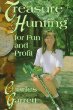 Last spring, I lost a part from my rototiller, so I went down to the sporting goods store and bought a metal detector to find it. And since I live on the edge of the Old Wire Road / Trail of Tears, I thought I might become a relic hunter–that’s what the people who use metal detectors call themselves. Or treasure hunters if they look for pure metal. So I ordered this book to get an idea of how to use my metal detector.
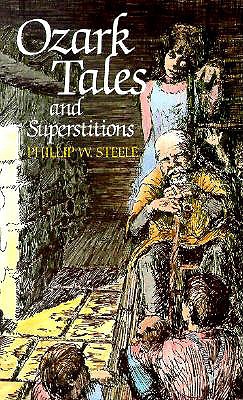 This book is a short collection of tales from Ozarks lore, broken into categories such as “Tales of the Supernatural”, “Indian Tales”, “Treasure Tales”, “Outlaw Stories”, and so on. None of them are well-researched or well-documented, but they do give one interesting stories to tell the children and ideas for little essays and historical bits if one wants to put in the time to conduct real research.
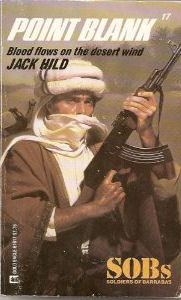 This is the next book after
 This is not the first Foxworthy book I’ve read; I read
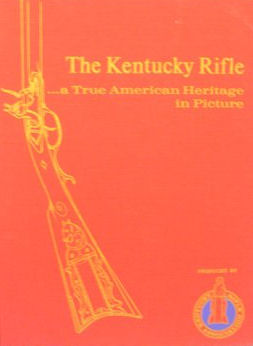 I inherited this book from my wife’s uncle, who was something of an expert on period firearms. This book collects images of the
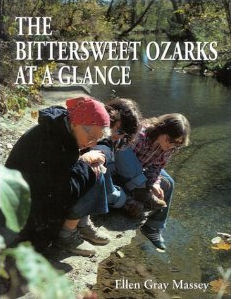 I borrowed this book at the library this weekend because I was running short of things to read around here. Actually, no, I have this tendency to stop by the local history section at the Republic Branch of the Springfield-Greene County library and check something out in spite of having enough to read. This particular volume is a collection of photographs taken as part of an Ozarks studies class at Lebanon High School from the 1970s to the early part of the 21st century.
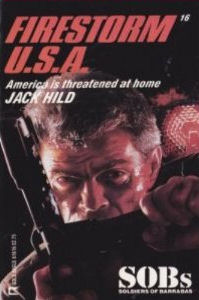 This book is the 16th in the series; I read the 5th of the series,
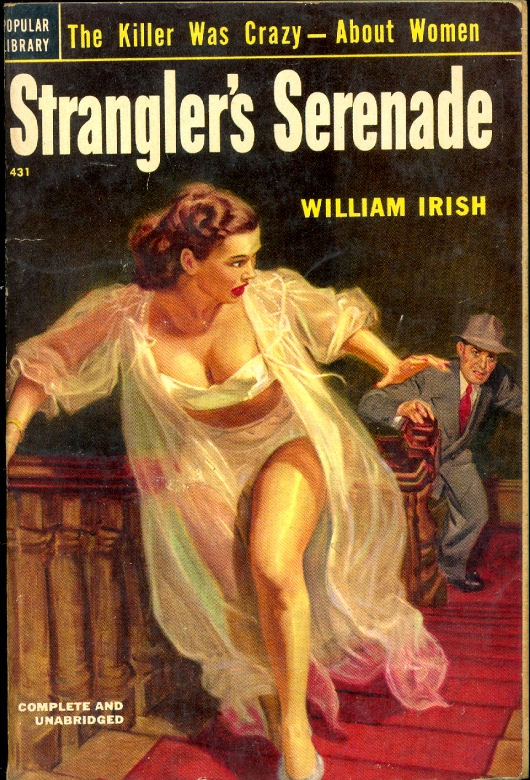 This is the third novel in the first of the Detective Book Club collections I’ve been working on recently, and it’s the one that has the most American flavor to it, although its setting is an island off the Massachusetts coast that does not have electricity, so everyone’s still lighting oil lamps.
 In this book, Mack Bolan goes to New Orleans to blow the mafia up there during Mardi Gras and finds that his two cohorts from
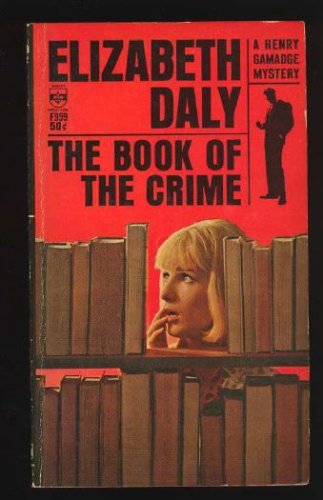 This book is one of the last in a series by Elizabeth Daly, whom Wikipedia claims Agatha Christie called her favorite American author or something. Like